Online Reporter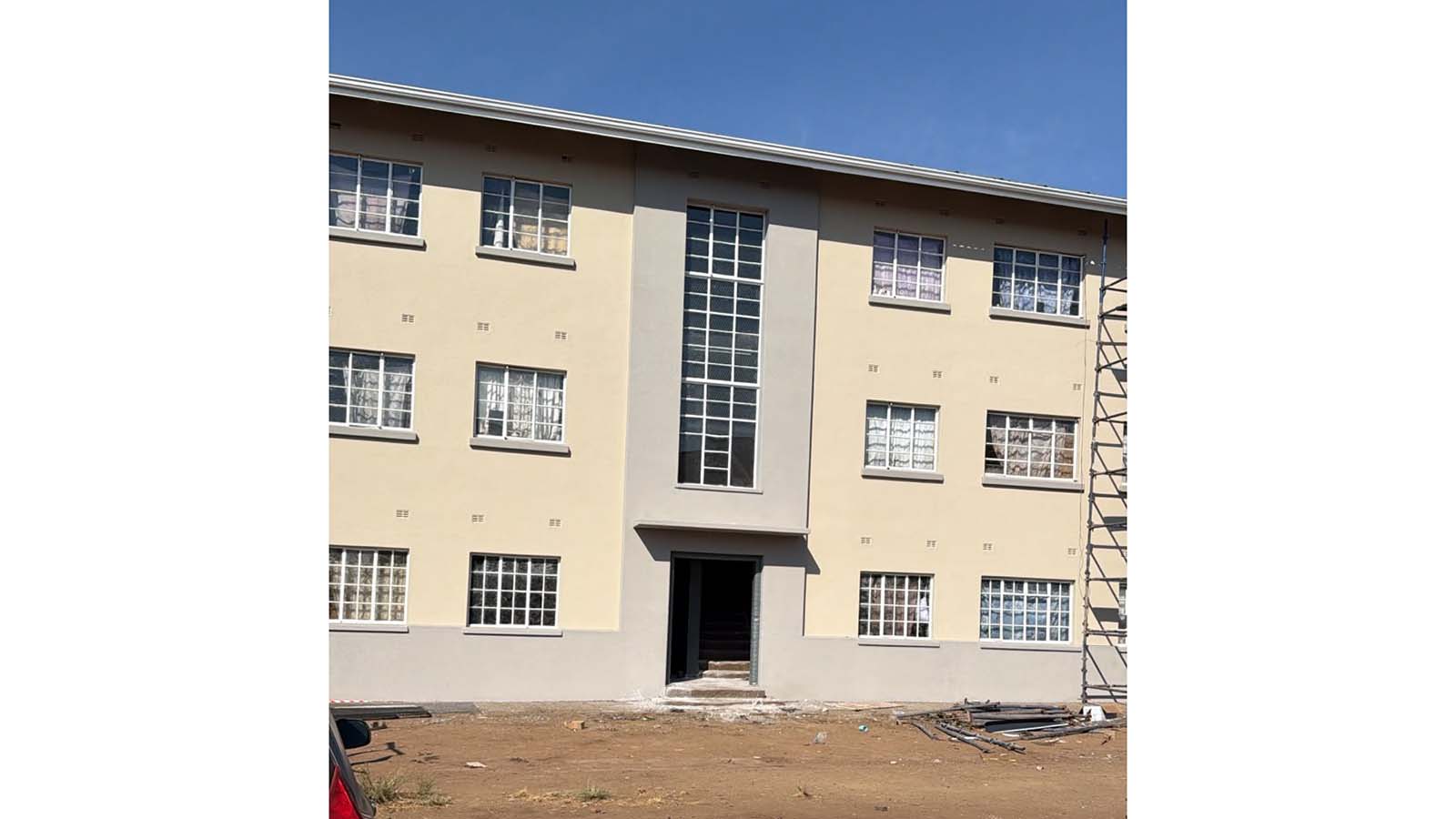
Freeman Razemba
The renovation of Matapi Flats in Harare by Engineer Collins Mnangagwa, is in line with the beautification of towns and cities, ED AID1 chief executive officer Mr Brian Pande has said.
Eng Mnangagwa dispatched a team, led by the project’s chief executive officer, Mr Brian Pande who is accompanied by Mr Taurai Pande, Mr Alvin Pande, Mr Chamunorwa Marufu, Mr Prince Munyaradzi Munangwa, and Nigel Chapendama for assessment.
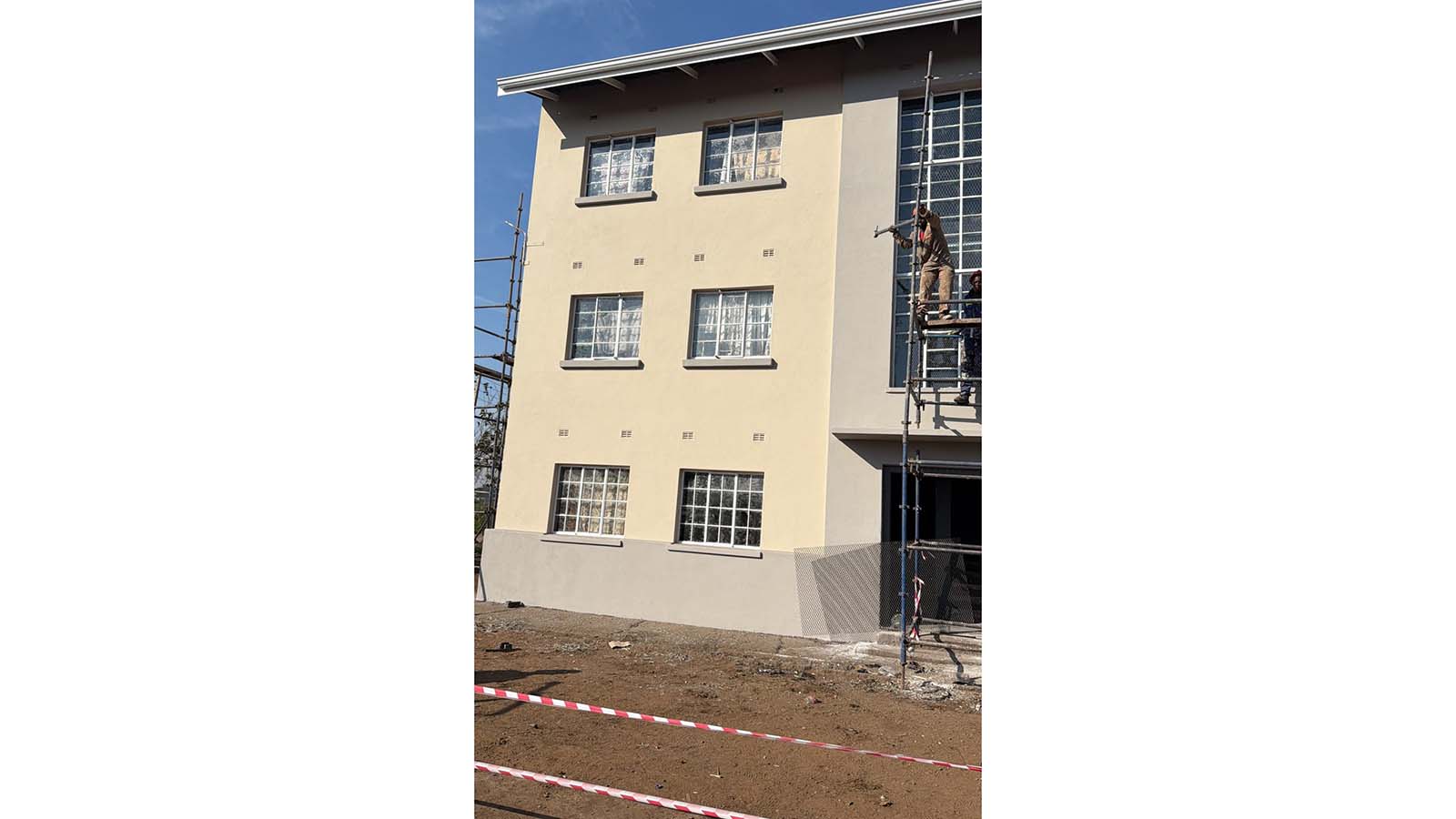
The team has since contracted workers to carry out plumbing and painting work.
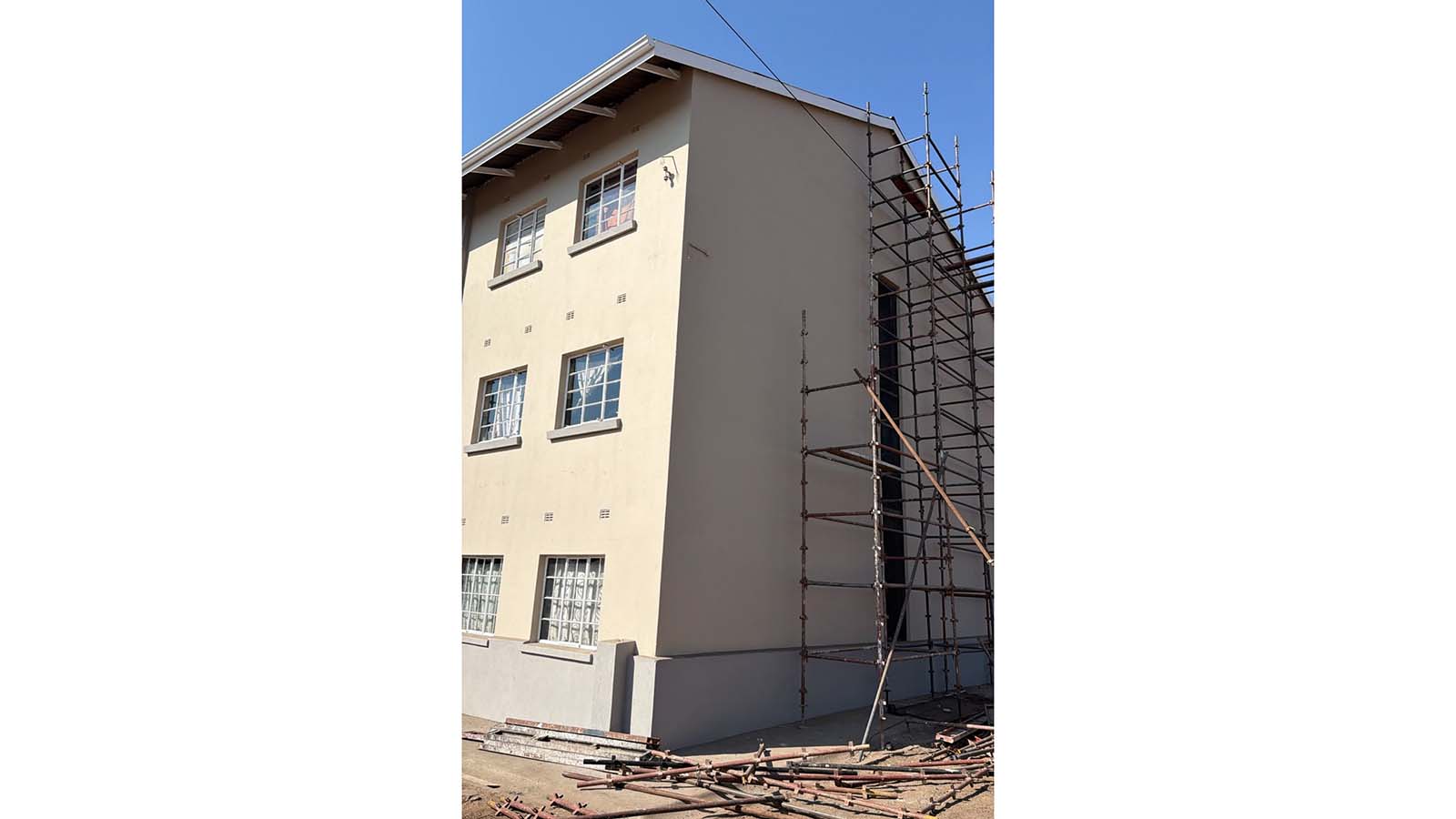
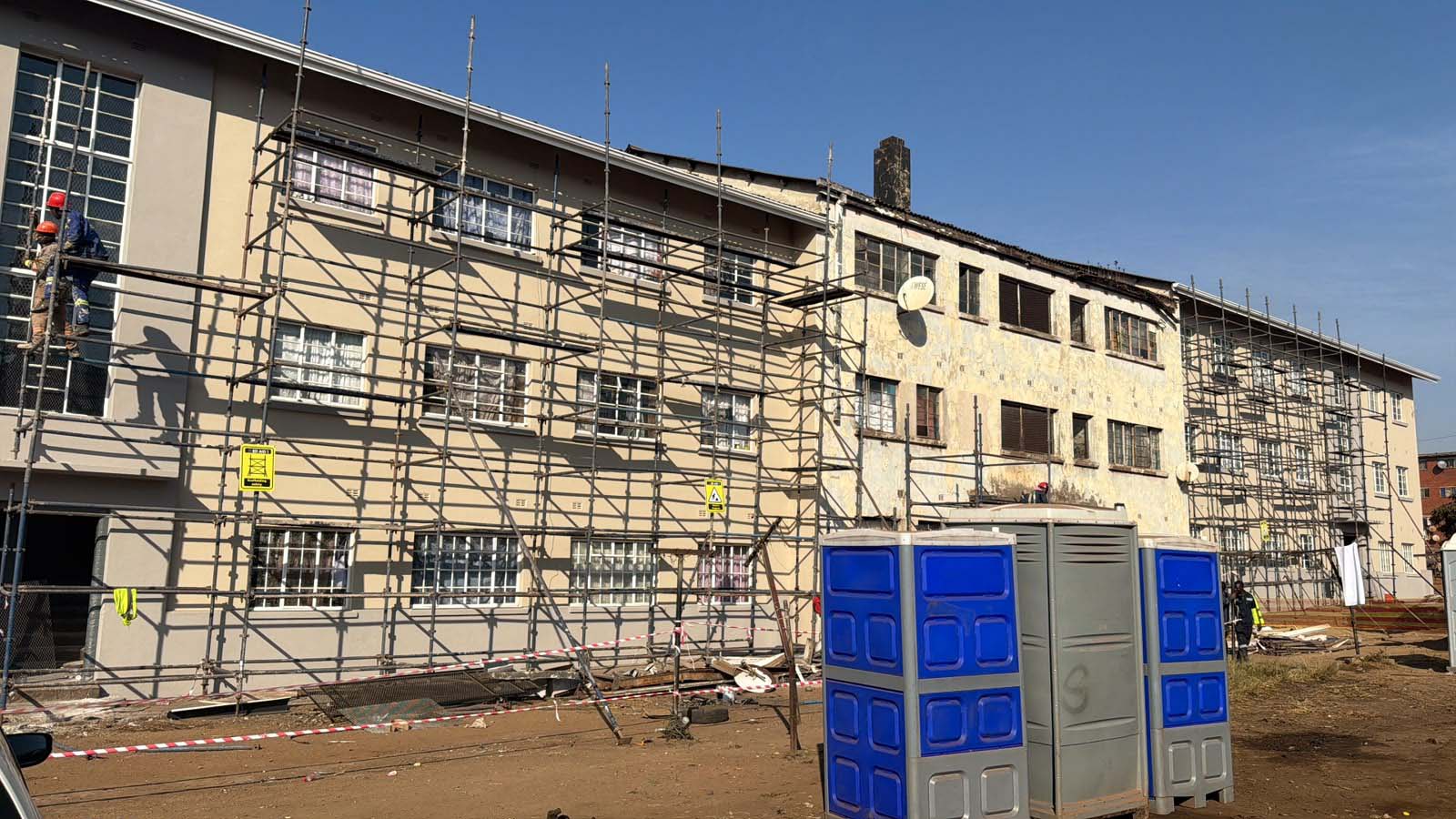
So far, one of the blocks is being painted while plumbers are also repairing toilets and other areas at the flat.
Mbare residents have since applauded Engineer Mnangagwa for assisting them.
In an interview, Mr Pande said the programme was ongoing and that this was also inline with the National Development Strategy 2.
“As you can recall, Zimbabwe’s goal is to become or attain an upper-middle-income economy by 2030 (Vision 2030) and this is the cornerstone of national economic policy. So, we are continuing with this programme in this area and all the works are currently ongoing.
“So far we have since purchased more paints, plumbing equipment, window panes and various other materials that we are using to renovate the first block of flats,” he said.
In May, Eng Mnangagwa was recognised for his contribution to socio-economic transformation and community empowerment after winning the Leadership in Socio-Economic Development and Community Empowerment award at the Community Builders in Africa Awards ceremony.
As head of a diversified group with interests in mining, logistics and energy, Eng Mnangagwa has been commended for driving strategic growth while supporting initiatives that improve the livelihoods of communities.
Over the years, he has overseen projects that have strengthened communities through job creation, local economic development, and targeted social support programmes.
Built decades ago to accommodate thousands of residents, Matapi Flats have fallen into severe disrepair over the years.
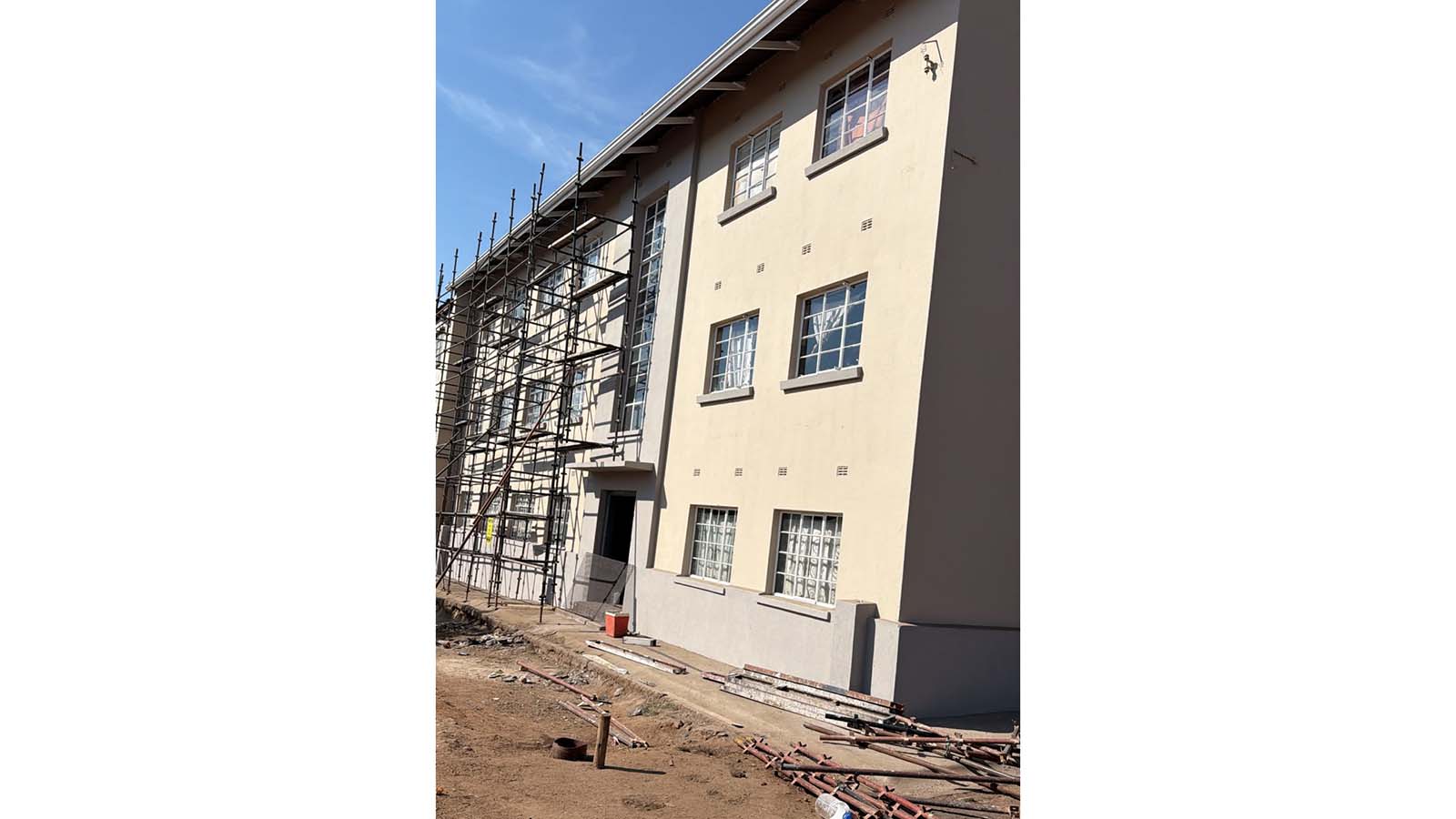
The flats were designed to house about 3 000 people, but are now estimated to accommodate close to 13 000 residents — more than four times their holding capacity. This overcrowding has contributed to the rapid deterioration of infrastructure and living conditions.
Residents have complained about broken plumbing, collapsing walls, inadequate sanitation and unsafe electrical wiring. The conditions have been described as “unfit for human habitation” by housing advocates.
The current initiative by Eng Mnangagwa, utilising local contractors, represents a departure from past approaches and has been welcomed by community members who have waited for a long time for meaningful intervention.