


 Sundaymail Editor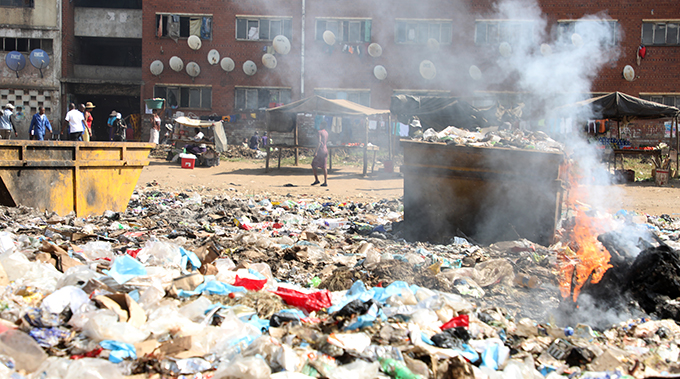
Your Money, Your Call
Cresencia Marjorie Chiremba
IN the bustling Mbare marketplace, where vendors gather to buy vegetables in bulk, a disturbing trend has emerged.
There is a section dedicated to roasting and processing groundnuts into peanut butter. The production of salted nuts, which are packaged into tiny packets and sold for a mere 50 US cents, is also done here.
The methods used in this process have raised serious health concerns.
Traditionally, groundnuts are roasted over an open fire, a process that imparts a distinct flavour. This also ensures the nuts are cooked thoroughly.
Some use electric or gas stoves for the same process.
However, a new and alarming method has taken root in Mbare. Vendors now place groundnuts in a bucket, pour a whitish chemical over them and shake the container vigorously.
Within seconds, smoke billows out and the groundnuts emerge roasted and salted, ready to be packaged and sold.
This rapid process, which bypasses the traditional fire-roasting method, has left many, including myself, in shock.
The health risks associated with this new method are significant.
I have not asked about the type of chemical used in this process, but it still raises questions about its safety for human consumption.
The rapid roasting process may not effectively eliminate harmful bacteria or toxins, posing a potential threat to consumers.
Moreover, the use of chemicals in food preparation without proper regulation or oversight is a cause for concern. It highlights a growing trend where the quest for profit takes precedence over public health.
Adding to the health risks is the unsanitary environment in which these nuts are prepared. The marketplace is rife with hazards.
Sewer water flows openly and dust swirls around, settling on the food being sold. Flies buzz around, landing on the exposed nuts.
The vendors attempt to swat them away with pieces of cloth, but the flies persist, adding to the contamination risk. This lack of hygiene and sanitation is a ticking time bomb for
foodborne illnesses.
The situation in Mbare is a microcosm of a larger issue plaguing many areas. The drive for profit often overshadows the need for safe and healthy food practices. Vendors, motivated by the need to make a living, resort to short cuts that compromise the quality and safety of their products.
Consumers, often unaware of the risks, continue to purchase these products, trusting that they are safe to eat.
This scenario calls for urgent intervention.
Regulatory bodies need to step in and enforce strict guidelines for food preparation and hygiene. Vendors must be educated on the importance of safe food practices and the potential health risks associated with short cuts.
Consumers, too, need to be made aware of the dangers and encouraged to demand higher standards from vendors.
Moreover, there is a need for community-driven initiatives to improve the overall hygiene of marketplaces.
Simple measures, such as providing clean water, proper waste disposal systems and designated areas for food safety, can make a significant difference.
Community leaders and the local government must work together to create a safer environment for both vendors and consumers.
In conclusion, the situation in Mbare is a stark reminder of the need for vigilance and action in ensuring food safety.
The health risks posed by the current practices are too significant to ignore. It is a call to action for all stakeholders to prioritise public health over profit. It is time to wake up and address these dangers lurking in our marketplaces. Only through collective effort can we ensure that the food we consume is safe and healthy, protecting the well-being of our communities.
Cresencia Marjorie Chiremba is a marketing consultant with a strong passion for customer service/experience. For comments, suggestions and training, she can be reached at: [email protected] or at +263712979461, 0719978335, 0772978335, www.customersuccess.co.zw



 Bongani Ndlovu
 Online Reporter