Online Reporter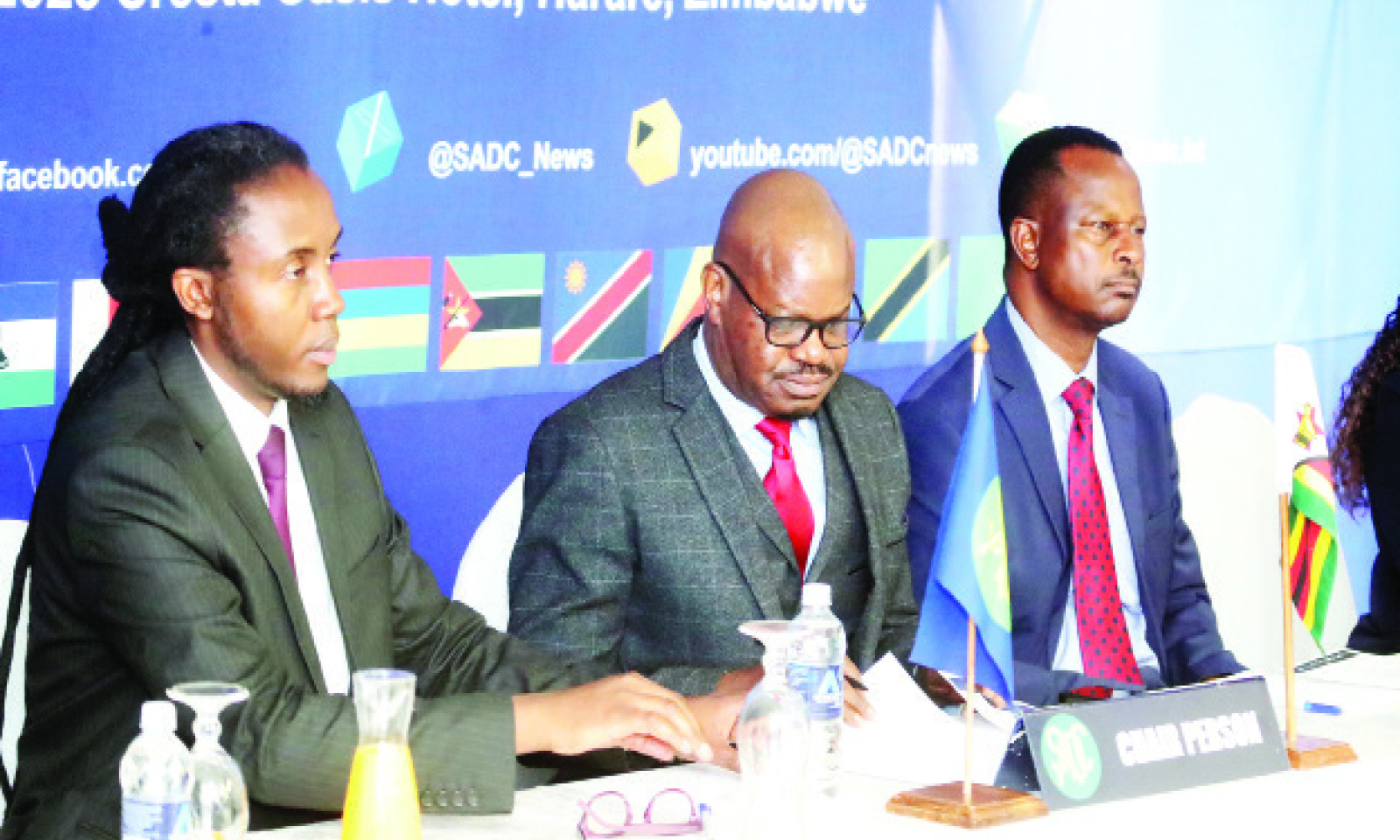
Nyore Madzianike
Senior Reporter
THE media must harness the power of Artificial Intelligence and digital technologies to enhance storytelling, fact-checking and audience engagement, Information, Publicity and Broadcasting Services the Permanent Secretary Mr Nick Mangwana has said.
In his remarks during the 30th Sadc Media Awards Regional Adjudication Committee Meeting in Harare yesterday, Mr Mangwana encouraged the media to create a resilient ecosystem that can withstand the challenges of fake news and disinformation.
“I challenge the media to harness the power of AI (Artificial Intelligence) and digital technologies to enhance storytelling, fact-checking and audience engagement.
“Let us work together to build a resilient media ecosystem that can withstand the challenges of fake news and disinformation,” he said.
“Journalism is not just about reporting news; it is about shaping narratives that can transform societies. Let us continue to tell the stories of our region, highlighting the triumphs and challenges, the successes and setbacks.
“Let us use our words and images to inspire, educate and ignite positive change. Let us celebrate not just the awards but the spirit of unity and progress they represent.”
Mr Mangwana said the SADC Media Awards Competition seeks to appreciate and reward journalists from SADC member states for their role in promoting SADC programmes, projects and developmental initiatives.
He stated that the media stands as a beacon of truth and a bridge between diverse cultures, especially in this era of rapid change and global challenges.
Mr Mangwana noted that the rise of AI and disruptive technologies has presented both challenges and opportunities in journalism.
“In an era of rapid change and global challenges, the media stands as a beacon of truth and a bridge between diverse cultures,” he said.
“However, we also face contemporary challenges that require our attention. The rise of Artificial Intelligence and disruptive technologies has transformed the media landscape, presenting both opportunities and obstacles.”
He stated that the spread of fake news and misinformation threatens the very fabric of journalism, undermining trust and credibility.
In this context, he said, the SADC Media Awards competitions are more crucial than ever.
“They celebrate our commitment to ideals that define us — sustainable economic growth, equitable development and regional integration.
“The media’s dedication to truthfulness, fairness, independence and accountability fosters a sense of regional identity and purpose. As we honour exceptional journalistic work, we must also acknowledge the need for innovation and adaptability.”
Mr Mangwana reiterated that the media’s dedication to truthfulness, fairness, independence and accountability fosters a sense of regional identity and purpose.
Speaking at the same occasion, SADC head of Communication and Public Relations Ms Barbara Lopi thanked Zimbabwe, the current chair of SADC, for its technical support, guidance and collaboration in hosting the 30th session of the Regional Adjudication Committee.
Ms Lopi commended the Ministry of Information, Publicity and Broadcasting Services for playing an exemplary leadership role in media development and raising the visibility of SADC across the region and beyond.
“Honourable Deputy Minister (Dr Omphile Marupi), we dignify your presence and commend your commitment to promoting journalistic excellence in the Republic of Zimbabwe and throughout Southern Africa. I wish also to commend the Government of the Republic of Zimbabwe for its outstanding commitment to advancing SADC visibility during its tenure as SADC Chair by hosting high-level events and leading conversations on regional priorities.
“Zimbabwe, together with its media sector, has ensured that the impact and relevance of SADC’s work is communicated to the public.
“The dedication to facilitating media coverage of SADC programmes and engagements and raising public awareness is sincerely appreciated.
“The media played a pivotal role in creating awareness and enhancing the visibility of SADC.”
Ms Lopi stated that the SADC Media Awards remain an essential tool for promoting excellence, fostering professionalism and cultivating a dynamic media landscape that informs and empowers the citizens of Southern Africa.
“Beyond recognising individual achievements, the SADC Media Awards reinforce the need to elevate awareness and visibility of SADC and its transformative role in fostering sustainable development, peace and economic growth,” she said.
Ms Lopi indicated that this year the committee will adjudicate a total of 29 entries — nine in print, five in photojournalism, seven in radio and eight in television categories.
These submissions were received from Angola, Botswana, Lesotho, Madagascar, Malawi, Mozambique, Namibia, South Africa, the United Republic of Tanzania, Zambia and Zimbabwe.
“This marks a notable improvement from last year’s total of 22 entries from seven Member States and is an encouraging reflection of the growing reach and appeal of the awards.”
The winners of the 2025 SADC Media Awards will be officially announced during the 44th SADC Summit of Heads of State and Government to be held in Antananarivo, Madagascar on August 17 this year. Established in 1996 following the approval of the SADC Council of Ministers in 1995, the SADC Media Awards were created to recognise outstanding reporting of the bloc’s regional cooperation, collaboration, integration and community-building agenda.