Online Reporter
Mukudzei Chingwere
Herald Reporter
ZIMBABWE has been selected as one of six countries in Africa to pilot the UNESCO recommendation on Artificial Intelligence, a major recognition of its commitment to responsible technology use, a Cabinet minister has said.
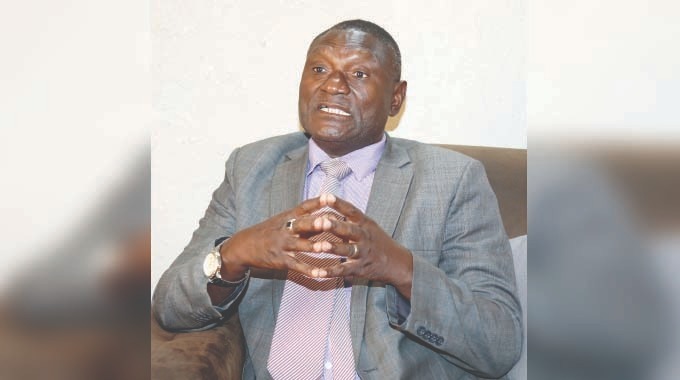
Addressing a post-Cabinet media briefing in Harare yesterday, Information, Publicity and Broadcasting Services Minister Dr Jenfan Muswere stated that Cabinet considered and noted the Zimbabwe Artificial Intelligence Readiness Assessment Report, which outlines the country’s strategy for integrating AI technologies in a manner that aligns with local needs and ethical guidelines.
Dr Muswere emphasised the importance of adopting international principles to bolster the local AI landscape while aiming to address ethical risks associated with AI deployment and maximise benefits for society.
“Cabinet considered and noted the Zimbabwe Artificial Intelligence Readiness Assessment Report,” he said.
“Zimbabwe is one of the six countries in Africa selected and sponsored by UNESCO to take part in piloting the UNESCO Recommendation in deploying Artificial Intelligence technologies and addressing the ethical risks in deploying Artificial Intelligence, leveraging the innovative Readiness Assessment Methodology (RAM) tool.”
Dr Muswere mentioned that Zimbabwe adopted the UNESCO Recommendation on Ethics of Artificial Intelligence in November 2021.
“The recommendation provides an internationally agreed set of principles and comprehensive guidance to policymakers on ensuring that this game-changing technology benefits society and protects citizens against associated risks,” he said.
“A diagnosis of the national Artificial Intelligence landscape has been provided, marking a significant milestone in Zimbabwe’s journey towards harnessing Artificial Intelligence’s transformative potential for enhancing socio-economic development.”
Dr Muswere explained that the thematic areas used to assess the Artificial Intelligence readiness of countries utilising the UNESCO RAM tool included the legal, social/cultural, scientific/educational, economic, technical and infrastructural dimensions.
He noted that the ethical integration of Artificial Intelligence technologies in government, business and citizens’ operations and transactions in this Fourth Industrial Revolution is critical to the success of the economy.
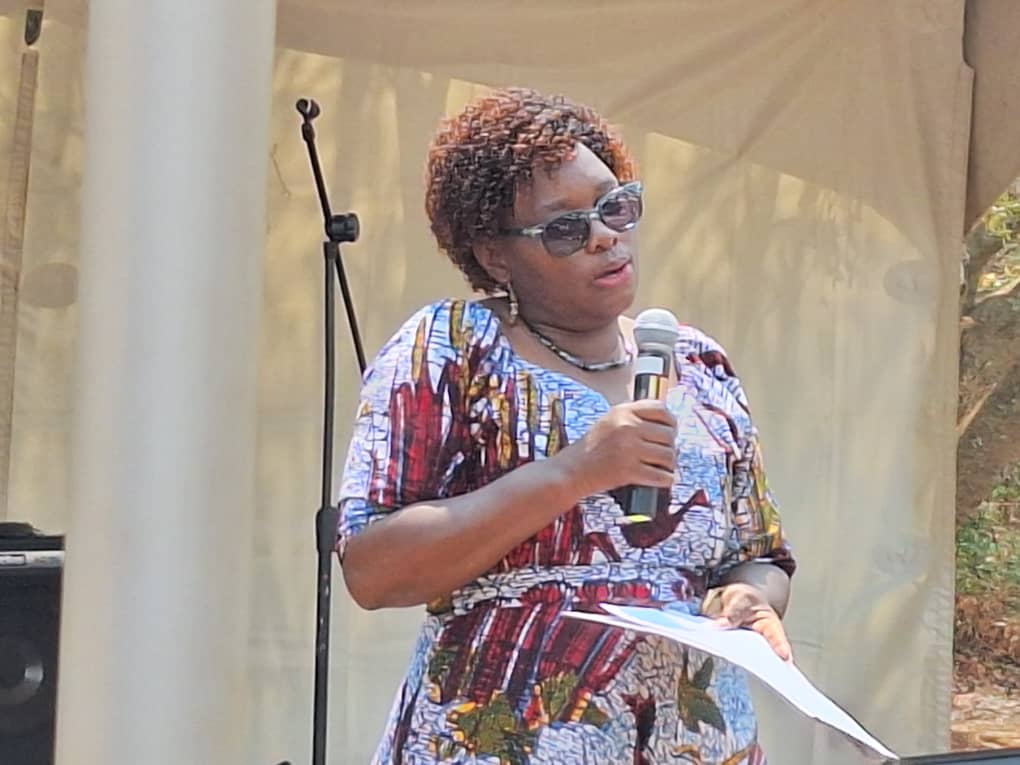
Speaking at the same occasion, Information Communication Technology, Postal and Courier Services Minister Tatenda Mavetera said the forthcoming AI policy will be specifically designed to address the distinct challenges and opportunities within Zimbabwe.
Minister Mavetera stated that Zimbabwe’s aim was to ensure that the integration of AI into government, business and citizens’ lives was ethical and beneficial, particularly in this Fourth Industrial Revolution.
The adoption of the UNESCO Recommendation on Ethics of Artificial Intelligence in November 2021 laid the groundwork for this initiative, providing a framework for policymakers to navigate the complexities of AI technology responsibly.
The Government’s commitment to developing a robust AI policy signals a proactive approach to embracing technological advancements while safeguarding citizens’ rights and promoting ethical practices.
Having taken a front-row seat in technology deployment, Zimbabwe is poised to make major strides towards becoming a leader in the ethical deployment of AI in Africa.
Meanwhile, Cabinet also considered and approved for ratification the SADC Protocol on Employment and Labour.
The protocol was signed last year at the SADC Summit of Heads of State and Government and seeks to promote decent work, establish fair labour standards, coordinate labour laws across the region, drive job creation, enhance migrant worker rights and social security, combat child labour and work towards regional integration through harmonised labour policies.
Dr Muswere stated that the Protocol also aims to recognise basic human rights particularly those associated with labour laws and the domestication of international labour obligations.