Online Reporter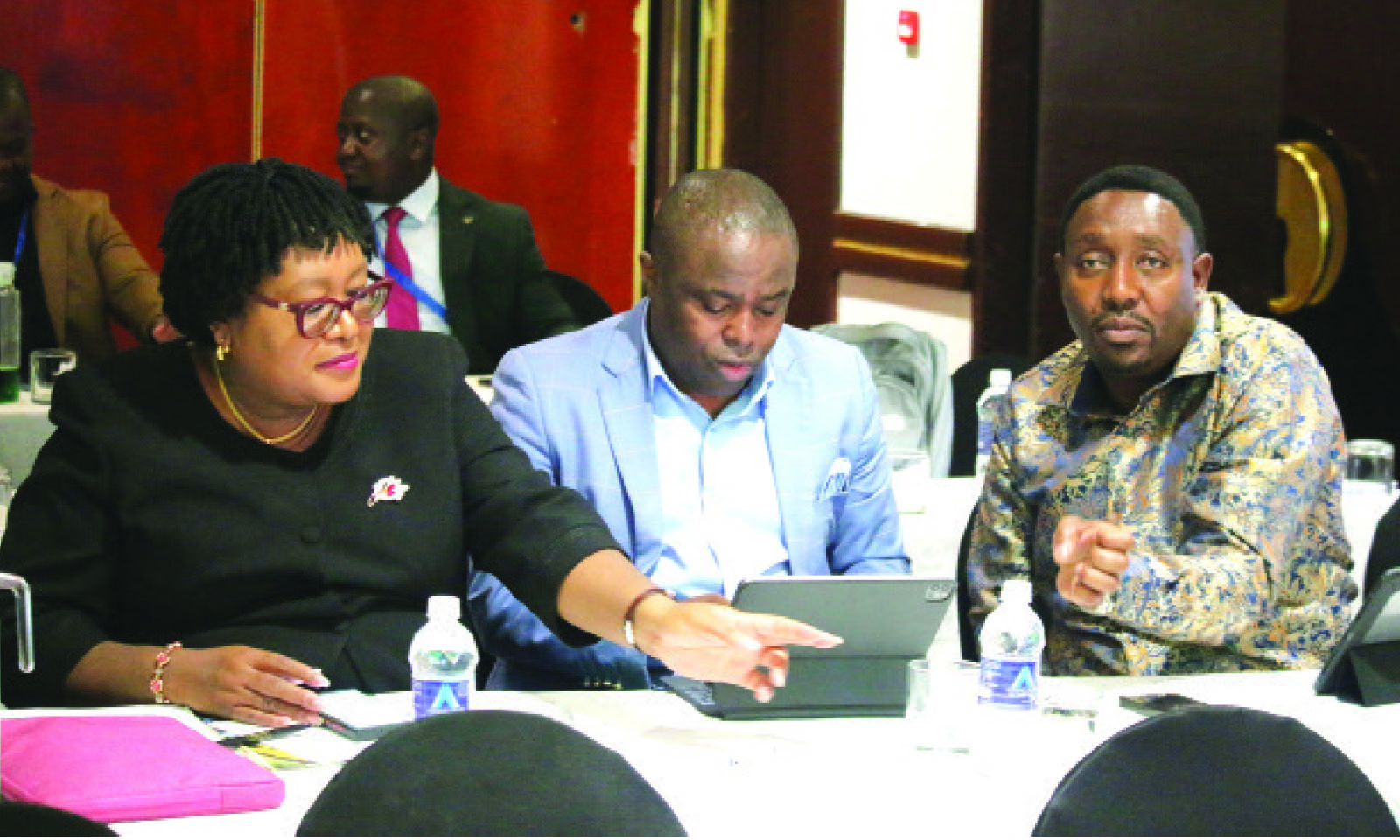
Nyore Madzianike
Senior Reporter
THE media has been urged to play a central role in telling Zimbabwe’s developmental story and correcting negative narratives often peddled by some Western countries and social media platforms.
This call was made by African Peer Review Mechanism (APRM) Lead Panel Member for Zimbabwe, Ambassador Aly El Hefny, during a focus discussion with media practitioners in Harare yesterday.
Amb Hefny said the media carried a national duty to portray the country’s progress accurately and highlight ongoing development projects as Zimbabwe continues to implement reforms and engage the global community.
“In this era of social media, your responsibility gets more important to face such wrong perceptions imposed upon Zimbabwe with a great deal of injustice, as we have seen in the last few years. Zimbabwe used to face such challenges in a certain way and then it discovered that the better way is to highlight whatever has been achieved lately as it is focused on developing the nation in so many ways.”
Amb Hefny said the stigma imposed on Zimbabwe, particularly in Western media, had unfairly overshadowed the country’s many achievements.
“So, I am urging you to use every possible avenue to highlight whatever has been achieved. There are certain success stories where I have been, as part of the APRM delegation — visiting several big projects — the airport, road transport infrastructure and the new African Liberation Museum. “The government is engaged in a reform agenda that deserves to be highlighted,” he said.
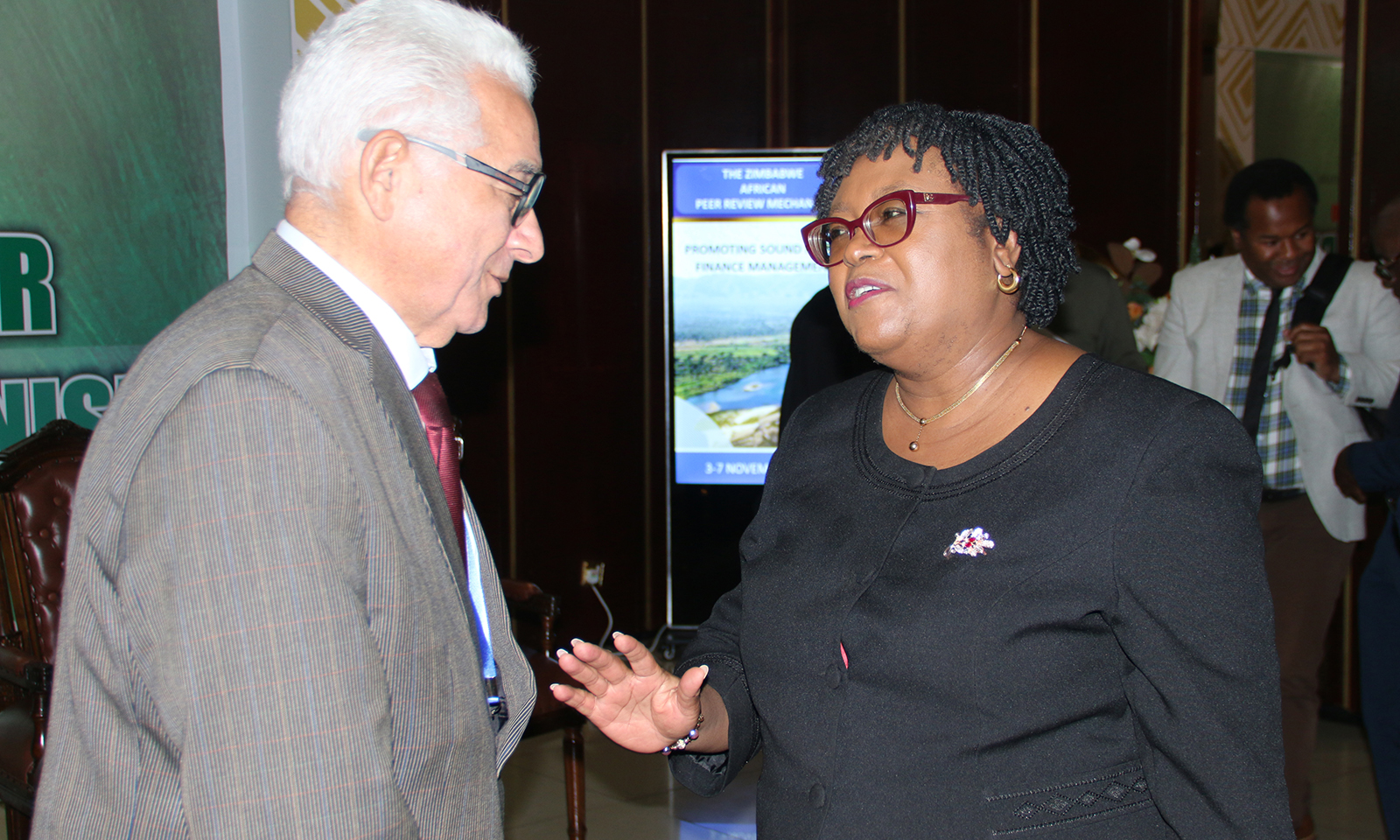
He said Zimbabwe’s story of resilience and progress was the best response to years of economic sanctions and misrepresentation. “Use the various forums within the African Union, with other African nations and international partners like Japan, China, Russia, India and the European Union to highlight the change. This is the best answer to that era that Zimbabwe has suffered under severe sanctions,” he added.
Turning to the African Peer Review Mechanism itself, Ambassador Hefny underscored the need to popularise the APRM among Zimbabweans and across the continent. He expressed concern that despite its existence since 2003, many citizens across Africa and Zimbabwe in particular remained unaware of the mechanism and its significance in promoting good governance.
“Wherever I go, they ask me, what is APRM? What does it stand for? What does it imply?” “So, the media is playing a crucial role to send this message to the citizens in Zimbabwe. Talk to them about APRM and tell them the main issue here.
“Since its inception in 2003, it is a continental organ belonging to the African Union, and it is about governance, about good governance,” he said.
He revealed that 44 African countries had joined the APRM, demonstrating the continent’s collective commitment to transparency, accountability and participatory governance. Since joining in 2022, Zimbabwe has continuously demonstrated full engagement in working with the APRM in a manner that will serve its development schemes and the interests of its people.
“It is imperative to popularise the APRM — to make the people understand what it is, why Zimbabwe joined and what the future holds for Zimbabwe and Zimbabweans. “The future of this country lies in strengthening governance and sustaining the sound economy that is already in place here in Zimbabwe.”
Ambassador Hefny’s remarks came as Zimbabwe continues to make strides in infrastructure, governance reforms and regional integration, areas the APRM seeks to promote through peer learning and accountability among African nations.
Permanent Secretary in the Ministry of Foreign Affairs and International Trade and APRM for Zimbabwe Focal Point, Ambassador Albert Chimbindi, National Governing Council chairperson Ambassador James Manzou and Ambassador Rofina Chikava, the interim Chief Executive Officer of the Zimbabwe APRM Secretariat, are also part of the review team.
Representatives from the Zimbabwe Broadcasting Corporation (ZBC), The Herald, The Chronicle, The Sunday Mail, NewsDay, Daily News, New Ziana, the Centre for Innovation and Technology (CITE) and the National Association for Community Broadcasters (NACB) participated in the discussions.
The discussions were centred on how the media shapes national discourse on economic reforms, fiscal management and governance.
The APRM review team also sought to understand the extent to which the media facilitates informed public debate and contributes to national development objectives. The review team also sought to understand what narratives dominate coverage of inflation, currency reforms and the cost of living. Discussions also centred on mechanisms available for economic journalists to access budget and fiscal data early enough to inform the public accurately.
Earlier, the review team met with academia drawn from various higher learning institutions and think tanks in policy formulation.