admin
admin
Flora Fadzai Sibanda, Chronicle Reporter
In times past, men would occasionally visit nearby forests with little digging tools, ready to dig up and cut traditional herbs, bark, leaves and roots of trees.
These were not dug for pleasure but they were believed to increase the fertility of men, traditionalist Mr David Mhabhinyana Ngwenya said.
They were also believed to cure various ailments.
Mr Ngwenya said the names of the trees and their use was passed down from generation to generation, fathers and uncles playing the role of making sure the youths got adequate information on traditional remedies.
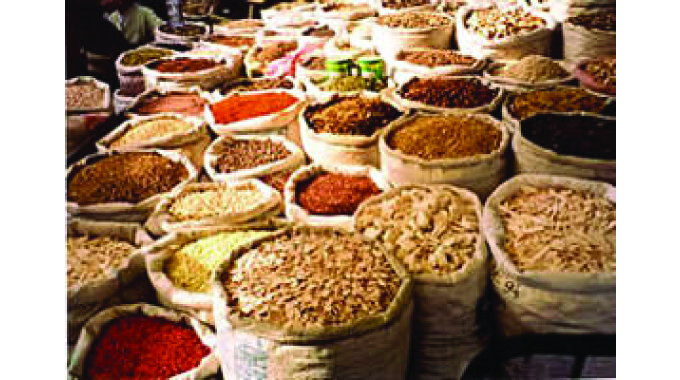
Men would carefully choose the trees they had been taught about before extracting the desired parts.
They would take their time in identifying the trees so that no mistakes are made.
Young men were introduced to these trees and herbs as soon as they entered puberty, in preparation for marriage and procreation.
Mr Ngwenya said there are a number of trees he was shown by his ancestors.
“Some of the trees include ububese, umfufu, mtshibi and umpondozinqina. There are a lot of these trees and they vary depending on where one is coming from,” he said.
Mr Ngwenya said traditional herbs were very important back in the day as it was believed they cleaned a man’s blood.
Once the blood was clean, he said, everything else in the body would function well as the blood determines the efficiency of the human anatomy.
“That’s why we hardly had fertility problems because men took care of their blood. A lot of men now don’t follow this tradition especially those from the urban areas. They think since they’re now educated, they know better and they don’t need trees and herbs to make children,” he said.
The traditionalist said the practice was slowly fading away in the rural areas, which would make it hard to revive in the next 10 years.
Mr Ndabezinhle Moyo (28) a father of three from Matobo said the trees that are popular among men in his area are intolwane, mganu and mgugudu.
He said as a young boy, his grandfather would herd cattle with him and that’s when he often saw him carefully picking his herbs.
“My grandfather would dig the roots of intolwane and carefully dry them at our home. He would warn everyone not to mess with his herbs,” said Mr Moyo.
The young man said that’s when he was told the dried intolwane pounded into powder is eaten with porridge or on its own.
“He believed intolwane helped to strengthen the back of a man. He also used to say intolwane cleaned a man’s system to make sure all his vital organs functioned efficiently,” said Mr Moyo.
Despite moving to the city, Mr Moyo who is now based in Bulawayo, said he has not lost touch with his roots and still gets the herbs whenever he visits home.

Mr Moyo believes the traditional herbs are the ones that helped him sire his three sons.
“I can’t wait to start teaching the same tradition to my sons so that they can also pass it on to their sons,” said Mr Moyo.
Research has shown that demand for medicinal plants is increasing in both developing and developed countries, and surprisingly, the bulk of the material traded is still from wild harvested sources on forest lands.
The expanding trade in medicinal plants, however, has serious implications on the survival of several plant species, with many under serious threat to become extinct.
In a recent interview, Musimboti Traditional Science and Technology Institute’s renowned director and herbalist Mr Morgan Zimunya said it was true that populations in developing and developed countries rely on traditional medicine. He said even powerhouses such as India and China were known for their unwavering policy that encourages traditional medicine.
Mr Zimunya said traditional medicine could cure snake bites, diabetes, intestinal upsets, headaches, high blood pressure, kidneys, cancer and a lot of sexually transmitted diseases, genital warts, skin diseases and erectile dysfunction.
He, however, said he doesn’t believe in traditional medicine to enlarge manhood as claimed by some.
Mr Zimunya said it was absurd for anyone to suggest that traditional medicine doesn’t work as it was used before the advent of modern medicine.
He, however, emphasised the need for a deliberate policy as was in the communities to protect the harvesting of medicines in order to protect medicinal tree species that are normally indigenous and wild.
“I grow some of the herbs although I harvest some of the medicine from wild trees. The idea is to know which tree cures what and the method to harvest. You’ll find that our elders knew how to protect the trees and would prescribe that one should get the tree bark from the east and the west simply to ensure that the tree was not ringed as it would kill the tree. That was a conservation strategy and it made sure medicine tree species were protected,” said Mr Zimunya.

Besides, communities knew where to go for traditional medicine and those that were into the art of traditional medicine knew the herbs and trees and knew how to protect them from extinction.
“These traditional medicines were not produced and sold on a commercial basis but now there’s a need to grow some of the trees because we’re now into mass production, even exporting some to other countries. I grow part of my medicinal trees and herbs on plots, farms and was even outgrowing. I then package them into capsules, eye drops, cough syrups, tea leaves and ointments at a proper industrial and pharmaceutical level,” he said.
He said there was a need to raise awareness on medicinal plants as an important forest resource to help ensure that medicinal plants were adequately included in forest conservation and utilisation programmes.
Forest conservationist and environmentalist Mr Barnabas Mawire weighed in saying medicinal plants link together the physical environments of local communities and their use of plants in promoting and maintaining their health.

He, however, said prospects for the future supply of medicinal plants impact the long term viability of traditional health systems if no deliberate steps were taken to promote sustainable use of the plants that were usually non-wood.
Mr Mawire emphasised on the training of practitioners.
He urged the Government to work with all stakeholders including traditional leaders to ensure protection of medicinal plants as a way of forest conservation and as both a mitigation and adaptation measure to climate change. – @flora_sibanda


 Online Reporter