admin
admin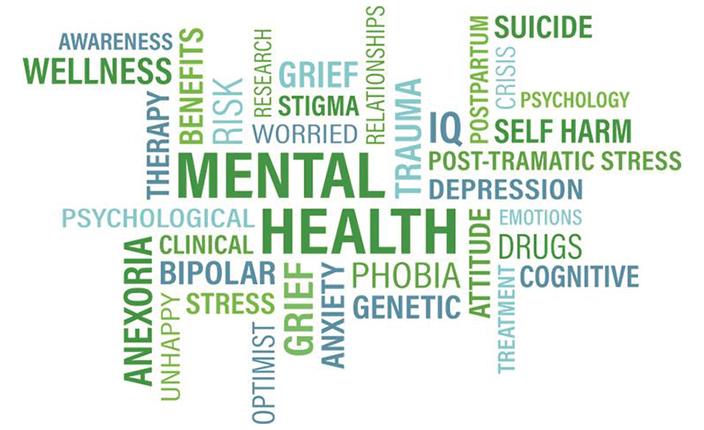
Fadzayi Maposah, Correspondent
There are men who struggle to express their emotions.
One has to imagine what they are going through. I have noticed how families tend to toughen males from a young age.
Imagine a baby boy crying and he is told to be strong as men are not expected to be weak. Boys are groomed to be strong men from an early age.
From hours after coming into the world, they are men.
Some are even called Baba (Father) while they are still in diapers. Have you not heard someone trying to calm a baby boy and saying, “Chinyararai Baba vangu. Ko mukachema Baba toita sei?” Loosely translated “Hush my father. What are we supposed to do if you cry?
Now the ones born after 2000 will just replace Baba with “mudhara”, which for them means my person or gangster, and so some of us born many decades ago, old man.
I was in a meeting where a presenter shared that men were the new vulnerable group.
He said men were a vulnerable group such that if not catered for, they would be affected for many years to come.
I was in total agreement. Men are a key population in programming terms.
Men are a key population that had been ignored for years. It is only now that issues to do with men are being considered.
This presenter was passionate about men and the need to have programmes that are specific to them.
His presentation was on mental health.
He said mental health was a big challenge for men and they do not know how to handle it.
While we have had billboards of women and girls along the major highways telling their stories of suffering in silence regarding violence, it is time we put up big imposing billboards and run media campaigns that target men and their well-being.
Someone once told me that when she was young, her siblings and her used to look forward to the days that her father came home drunk.
It caught me unaware because I grew up in a home with a father who did not drink beer.
I remember some people telling me that they dreaded the days their fathers or relatives would come home from the beerhall because there was always chaos, rowdy behaviour and sadly some days, violence.
So with alert ears and wide open eyes, I asked her why she used to look forward to her father coming home drunk.
Before she answered, I started thinking of those who took advantage of drunken people to help themselves to what was in the pockets of the one under the influence of alcohol.
I rebuked my runaway mind and then encouraged her to share why. When her father was drunk, he always had something to share about his growing up, she said. They knew about his life during moments when he was drunk.
Other days he would just be very quiet and just focusing to ensure that they were well provided for.
So, when their father came home, they would eagerly sit as he told them about his life. They were never too sleepy for these moments. The things that people go through. It is a lot.
I remember at my father`s funeral, one of my male relatives was drunk. He went into the lounge where my father`s body lay in state to pay his condolences. He started crying as he sought my mother in the room full of women.
It was a deep cry. A cry that expressed his pain. When I think of Sanyati, my home area, he is one of the people who quickly come to mind. At one point, he was in charge of our homestead kuSanyati and then moved to his own place. His children have also at some point assisted with chores kumusha.
When he got to my mother he was inconsolable as he cried and kept saying Mai Fadzi! Mai Fadzi! My mother cried with him, she understood that he too was grieving the loss of Baba Fadzi.
There were people who came to “assist” him go outside, while others said he was drunk (which was true) and that was why he was crying so much (which was untrue).
My siblings and I had moments with him. Beer or no beer he was in pain. When he expressed his pain, he was labelled drunk. Maybe that is why he had a drink before he came to the funeral. He could easily cry undercover.
When the presenter said men in most instances need to be intoxicated to share their stories, I really wanted to stand up and say Amen as if I was in church and agreeing with the preacher`s sermon.
I followed the presentation carefully taking notes.
Men are under a lot of pressure, at home, workplace and in society.
There are expectations from all sides and these have a bearing on the men`s health.
Men should be encouraged to take care of their mental health.
There is no shame in talking and getting assistance.
One does not become lesser of men because tears are flowing. He remains human.
When another man comes crying and requiring assistance, do not urge him to “man up”.
Seeking help is a step to man up. It is about seeking solutions so that one does not crumble under the weight of challenges. What people should do to help men is to listen, support and refer to a professional if there is need.
Be that man who supports other men! Men take care of your mental health, this MenVember. Be the GOAT – Greatest Of All Time.



 Online Reporter