admin
admin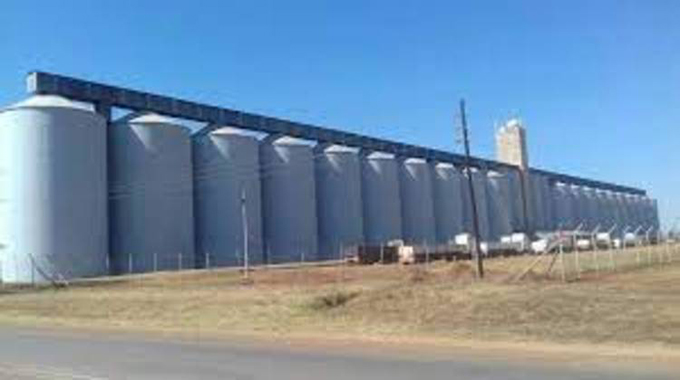
Fildah Gwati
POST-HARVEST crop losses will soon be a thing of the past for some farmers in the Mangwe and Chiredzi districts after they received metal silos for grain storage in December last year, thanks to a partnership arrangement between the governments of Zimbabwe and India.
In a recent post on X (formerly twitter) by the Agricultural and Rural Development Advisory Services (ARDAS) said the Indian government and Zimbabwe’s Ministry of Lands, Agriculture, Fisheries, Water and Rural Development had since joined the push to curb post-harvest food losses for smallholder farmers through availing 10 by five tonnes metal silos to some farmers in stated districts.
The Indian, World Food Programme (WFP) and Zimbabwe’s Ministry of Lands, Agriculture, Fisheries, Water and Rural Development have since embarked on a programme to train farmers on the making of metal silos.
Said ARDAS: “Food waste due to inadequate storage has been a persistent problem. Storage is the major cause of post-harvest losses for all kinds of food in Zimbabwe. To combat the challenge of post-harvest losses, a strong thrust towards modern and scientific means of grain storage is essential.”
It added that by embracing modern storage methods, the two governments were actively working towards promoting food security and combating hunger.
ARDAS further highlighted that the use of metal silos had been credited with a reduction in post-harvest losses in grains in many developing countries. When properly used, metal silos are very effective in reducing crop losses to almost zero.
“Metal silos ensure better preservation of food grains and enhance their shelf life. If food grains are stored in silos and transported in bulk, losses due to theft, pilferage and transportation would be negligible compared to food grains storage in bags in conventional warehouses. Steel silo storage with a bulk handling facility is a highly mechanised and modernised way of storing food grains in bulk.
“Promotion and development of an efficient, integrated and mechanised bulk handling, storage and transportation system in the country is a crucial post-harvest tool in the battle against hunger and ensuring food security,” further explained ARDAS.
The metal silos programme was launched in September 2012 Zimbabwe.
Metal silos are containers for storing maize, beans and other grain. They have a cylinder shape and are produced using galvanised sheets. Both the upper lid of the silo and the bottom are flat. The upper lid has an opening with a lid that allows grain to be put grain inside.
According to Food and Agriculture Organisation of the United Nations about 30 percent of the harvested grain is lost due to lack of appropriate storage facilities, a situation forcing farmers to sell most of their grain soon after harvesting at very low prices, leaving them poor and vulnerable.



 Online Reporter