Online Reporter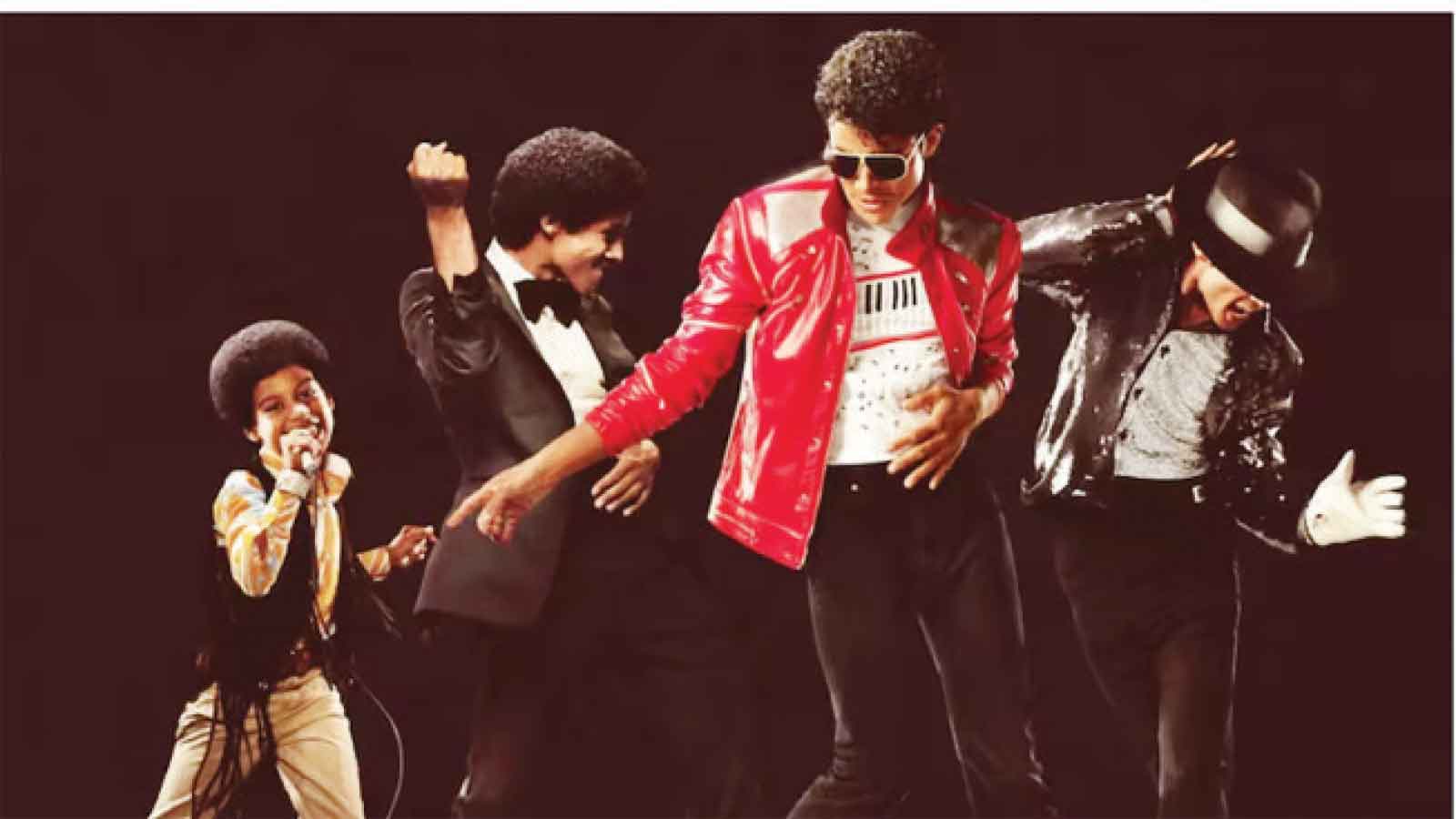
‘Michael’ is a safe and polished take on Michael Jackson that never digs deep enough to understand the man behind the music. Strong performances and iconic songs help, but the film feels distant and incomplete.
‘Michael,’ directed by Antoine Fuqua, released in theatres on 23 April and stars Jaafar Jackson, Colman Domingo, Nia Long, Juliano Valdi, Miles Teller, and Keilyn Durrel Jones.
‘Michael’ is a film filled with promise. Drawing from the life of Michael Jackson, it traces a troubled childhood, the pressure of a controlling father, a search for identity, staggering success, and an eventual fall. Yet director Antoine Fuqua struggles to find a clear voice for this story.
A life too big for a safe retelling
The film rarely moves beyond the surface, missing the chance to become a truly engaging biopic.
What you get instead is a distant portrait that never fully captures the man who once defined global pop culture.
Jaafar Jackson’s sincere performance and the strength of the music offer some support, but the film often feels like a polished tribute that avoids discomfort.
It had the chance to explore the rise and fall in detail but opted for a safer route that limits its emotional and narrative reach.A crowd-pleasing ode to the King of Pop, Michael understands exactly what its audience came for and delivers with style.
Less of a traditional biopic and more of a feature-length concert experience with narrative dashes thrown in, the story spans the early days of The Jackson 5 to the electric heights of Michael’s Bad world tour in 1988, showcasing his boundary-breaking approach to music and performance.
Michael may not be an extensive portrait, but it’s a highly entertaining one. And that’s very much by design.
Michael is produced by Graham King, whose Bohemian Rhapsody holds the record for the highest-grossing music biopic of all time (a record Michael could easily eclipse).
Most importantly, the film was shaped by the firm hand of the Jackson estate, which gives Jackson’s legacy the sparkling white-glove treatment by sidestepping controversy and positioning Jackson as a lonely, near-mythic creative force. It’s the kind of movie that critics blast and audiences love. And while it does go a long way towards sanctifying its subject, most people walking into a Michael Jackson movie aren’t looking for a warts-and-all exposé; they just want to be entertained by the man, the myth and his music.
Behind the scenes, the film’s journey to theatres was a rocky one. Early drafts included a third act reportedly centred on abuse allegations and a courtroom trial. A major memory lapse overlooked a prior settlement that prohibited any depiction or mention of that particular case, forcing extensive reshoots and a reported $15 million pivot coughed up by the estate.
The result is a film that cuts off in 1988 in a moment of triumph. Closing on the high of the ‘Bad’ era leaves audiences on their feet, immersed in Michael’s magic.
With the courtroom on the cutting room floor, director Antoine Fuqua brings an arguably more effective celebration of Michael Jackson to the screen, preserving the icon and reviving him as a phenomenon rather than a headline.
Much of that success rests on the squared-off shoulders of Jaafar Jackson, whose uncanny portrayal of his real-life uncle truly brings the legend back to life.
From Michael’s gentle vulnerability to his artistic precision, Jaafar taps into the physicality and magnetism that defined Jackson at his peak.
Without that central turn, the film falls completely flat, but with Jaafar Jackson’s remarkable turn, Michael comes alive.
Colman Domingo is a growling presence as Joe Jackson, whose severity helps sketch the origins of Michael’s anxieties and isolation.
Fuqua also highlights the classic Hollywood fantasies that fuelled Michael’s imagination, including a well-deserved nod to Vincent Price, the screen legend who delivered that infamous monologue and laugh for ‘Thriller’.
The film closes on the ambiguous note “His Story Continues” with industry chatter and comments from Lionsgate leadership suggesting this may only be ‘Part One’.
If a follow-up materialises (hopefully titled Jackson and not Michael: Part Two), it could open the door to exploring the more complicated chapters avoided here.
Whether audiences would embrace a second act, particularly if it’s another highly sanitised one, is anyone’s guess.
For now, Michael is content to let the music do the talking, and in that, Jackson’s legacy remains undeniable. Four Stars. —manyofmany.com