Tinaye Agere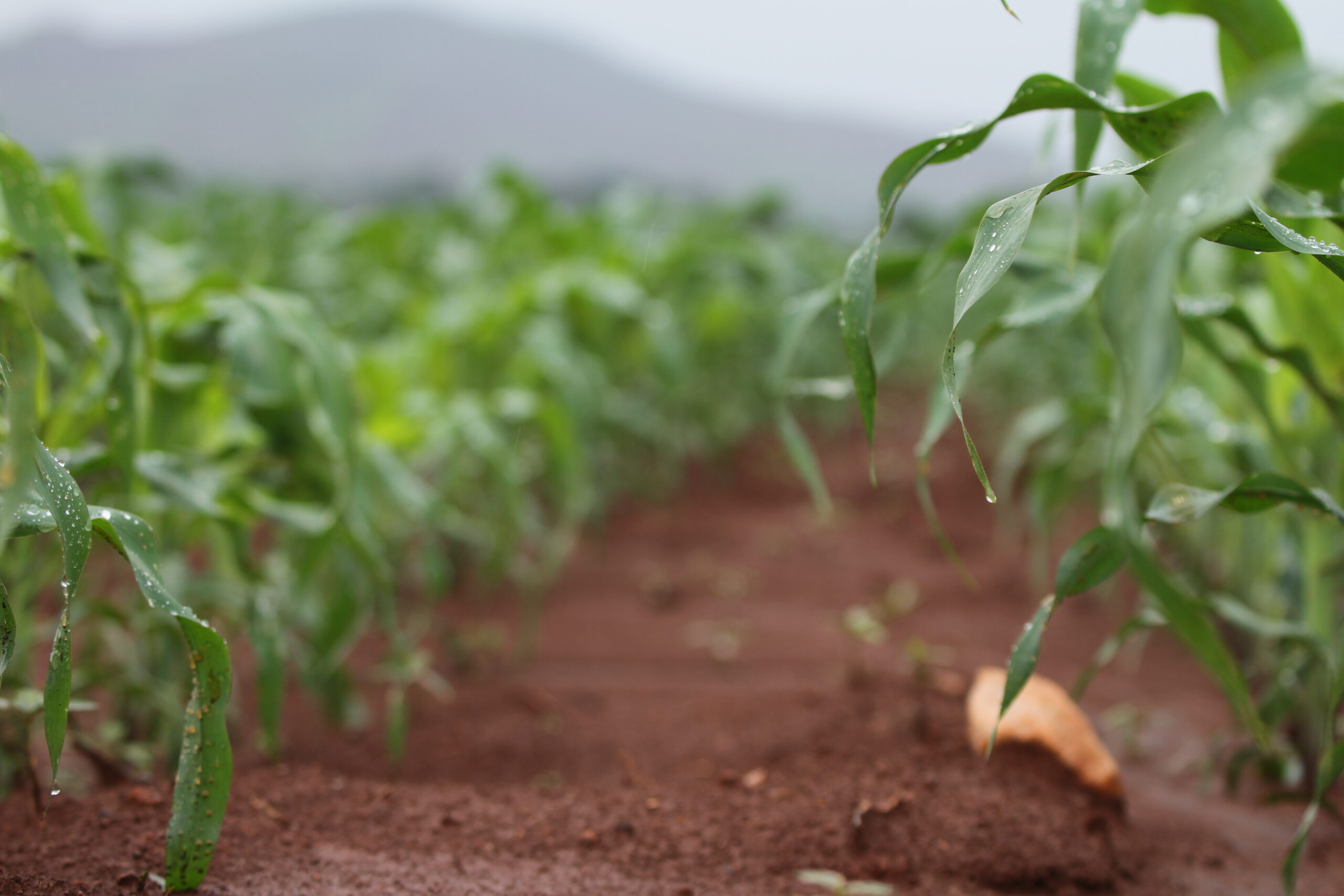
Theseus Shambare
THE first round of the national Crop, Livestock and Fisheries Assessment (CLAFA1) began last week, with the exercise expected to provide authorities with early insights into the agricultural sector’s performance and its readiness to support national food security and economic growth. The exercise follows a mid-season dry spell in December that threatened to devastate this year’s crop.
However, rains at the beginning of the year have revitalised most crops.
Starting in mid-to-late January, agricultural extension officers conduct pre-data collection surveys on crop health, livestock conditions and fishpond productivity across the country’s 1 600 wards.
Data collected in the field will be digitally transmitted to provincial offices and subsequently relayed to national headquarters.
The assessment is expected to take three weeks. Permanent Secretary in the Ministry of Lands, Agriculture, Fisheries, Water and Rural Development Professor Obert Jiri confirmed that CLAFA1 was officially underway.
“Yesterday (Thursday), the Zimbabwe National Statistics Agency (ZimStat) called for a meeting attended by its representatives and Agriculture and Rural Development Advisory Services (ARDAS) teams to map the way forward for CLAFA1,” said Prof Jiri.
Key decisions made at the meeting included using existing farmer samples from ARDAS districts, preparing for immediate data collection and actively involving ARDAS staff under ZimStat’s guidance.
He added: “We are doing this together with ZimStat for all stages up to report writing.
“The agreed upon timeline for CLAFA1 includes a January 9 and 10 meeting to finalise questionnaire items, January 15 training of trainers (TOT) for provincial specialists and district staff customisation of the questionnaire from January 17 to 21.
“Data collection and cleaning will take place from January 20 to 30, followed by verification, analysis and report writing from February 1 to 8.
“The first draft report is scheduled for submission on February 10.”
Crop condition
Preliminary assessments suggest good crop quality in most parts of the country.
Livestock health is fair, with cattle and small livestock recovering well since the return of the rains.
Fishpond and dam stocking are at peak levels, a seasonal trend during the warmer months from August to May.
In a separate interview, ARDAS acting chief director Mr Leonard Munamati expressed optimism about this year’s harvest.
“The recent rains have significantly improved crop conditions nationwide,” he said.
“Early planted crops at the vegetative stage are looking very good, and those under irrigation have reached the flowering stage. “From what we are seeing, food security will be assured.”
He, however, noted that a detailed report following the assessment will provide a clearer picture of the nation’s food security status.
To facilitate the exercise, the Government has provided extension workers with over 6 000 motorcycles and waterproof riders’ suits.
On Friday, President Mnangagwa further equipped extension workers with 6 000 satellite-linked mobile tablets for real-time data collection and reporting.
ARDAS provincial director for Mashonaland Central Mr Misheck Chitokomere said the bulk of the crops has recovered from the dry spell.
“Over 85 percent of the crop is fair and 15 percent is good,” he said.
“About 30 percent of maize is at the emergence stage, while the rest is at the vegetative stage. “We encourage farmers to apply top dressing in split doses to prevent leaching.
“Livestock conditions are improving as grazing availability increases with the rains.”
He urged farmers to scout for pests, such as armyworm and fall armyworm, with free control chemicals available at ARDAS offices.
“Chemical for prevention and control of fall armyworm is available for free from our offices.
“We encourage farmers to scout for pests regularly and control pests at early stages.”
In Matabeleland North, provincial ARDAS director Mr Thulani Ndlovu said farmers had adopted climate-smart farming techniques, including Intwasa/Pfumvudza and water harvesting.
“Farmers have planted ultra-short-season varieties and traditional grains, which are resilient to the dry conditions typical of this region,” he said.
“Tick infestations have become a problem since the efficacy of dipping reduces under wet conditions, but free tick grease is readily available.”
In Matabeleland South, crop and livestock conditions are reportedly impressive.
“With dams close to 80 percent full, both crops and livestock are thriving,” said ARDAS provincial director Ms Shupikai Sibanda.
“There have been no reports of livestock diseases or fall armyworm infestations so far.
“However, we are urging farmers to be proactive by dipping their livestock religiously and scout their crops for fall armyworm invasion in line with the instructions from their resident extension officers.”
Tobacco
The Tobacco Industry and Marketing Board (TIMB) will begin its crop assessment tomorrow to evaluate the performance of tobacco farmers.
TIMB public affairs officer Mrs Chelesani Moyo-Tsarwe stated that 107 368 hectares of tobacco have been transplanted so far, compared to 105 119 hectares last year.
“TIMB will commence a comprehensive crop assessment exercise on January 13, 2025,” she said.
“This exercise will evaluate the status of the main dryland crop, including its growth stages and the progress of late dryland establishment.
“The strong start to the 2024/25 tobacco season bodes well for Zimbabwe’s agricultural sector, with the potential for a successful and productive year for tobacco farmers.”
She added: “The first round of crop assessment will take place from January 13 to 17 with the deployment of eight teams, with two teams per province: Mashonaland East, West, Central and Manicaland.
“Sixteen experts; that is, sales supervisors, technical officers and arbitrators, will visit tobacco farms to assess production stage, quality and generate estimates of possible output.
“All these will be working under the supervision of TIMB’s regional managers to ensure a comprehensive and accurate assessment.”
Fisheries
Fisheries and Aquaculture Resources Department director Mr Milton Makumbe said the sector has undergone tremendous growth in recent years.
“The warmer conditions usually favour fish production as long as there is clean water,” said Mr Makumbe.
“Since August, we have been on an intensive fingerling distribution exercise under the Presidential Fisheries Scheme, powered by our development partners Food and Agriculture Organisation (FAO).
“Under the Technical Cooperation Programme, we are expanding and upgrading fish hatcheries at Henderson, Matobo and Makoholi Research Stations and under the Fish for Africa, the Caribbean and the Pacific programme, which is funded by the European Union and the German Federal Ministry for Economic Cooperation and Development. We are now able to roll out over 32 million fingerlings annually.”
With four more months of production, he said the results are pointing to a record output.
“A total of 17 979 368 fingerlings have been produced during the first half of the production season to date.
“It is projected that the second half of the season will yield 14 160 632 fingerlings, giving a total of 32 000 000 for the year as we come to a production close by April or May, with only four months dedicated to production,” added Mr Makumbe.



 Online Reporter