Sundaymail Editor
Chef Rudo Kandiero
Soups are a universally loved comfort food, enjoyed around the globe.
There is a soup for every occasion. The liquid base of a soup is typically made from meat, bone or fish stock, water and vegetables. Flavour and aroma are often enhanced with ingredients like onions, garlic, ginger, herbs and spices.
Soups offer numerous health benefits, making them an excellent addition to a balanced diet. They are packed with essential vitamins, minerals and antioxidants from vegetables, lean proteins and whole grains. They also help maintain hydration and support overall health.
Other nutritional benefits may include reduced risk of certain cancers, support for healthy bones and blood pressure, a boosted immune system and improved digestive health.
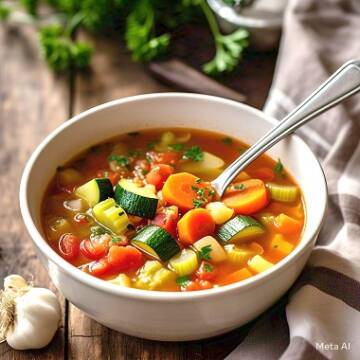
To maximise the health benefits of soups, focus on using a variety of colourful vegetables, incorporating lean proteins and whole grains, and limiting sodium and added sugars. Use herbs and spices for added flavour, instead of relying on salt.
This week, we are featuring a minestrone soup recipe that serves four people and requires an hour to prepare.
Ingredients
400g mixed vegetables (cabbage, zucchini, onion, leek, celery, carrot, turnip), peeled;
50g oil/butter;
600ml white stock/water;
Herbs: thyme, rosemary, bay leaves, parsley stalks;
Salt and pepper;
30g green beans;
30g peas;
25g spaghetti;
50g potatoes, peeled;
One teaspoon tomato puree;
150g tomatoes, skinned and diced;
Two garlic cloves;
50g parsley
Method
- Cut the peeled and washed vegetables into small cubes.
- Cook the vegetables slowly in oil in a covered pan.
- Add the stock, herbs and seasoning. Simmer for 20 minutes.
- Add the peas and the cut beans. Simmer for 10 minutes.
- Add the spaghetti, potatoes, tomato purée and tomatoes. Simmer gently until all the vegetables are cooked.
- Chop the garlic and parsley and pound them into a paste. Mould the paste into pea-sized pellets and drop them into the soup.
- Correct the seasoning (add salt and pepper to taste, if needed).
- Serve with croutons or grated parmesan cheese.
Enjoy a bowl of minestrone soup for lunch or as a starter for dinner.
Types of soups
Broth: A soup in which bones, meat, fish, grains or vegetables have been simmered in water or stock.
Cream: A soup that is finished with cream.
Purée: A soup with a vegetable base that has been puréed in a food mill or blender.
Velouté: A velvety sauce (and by extension, a soup made with this sauce) made with stock and thickened with a roux (butter and flour) or other agent.
Clear/consommé: A clear soup that derives its flavour from a rich stock base.
Food safety guidelines
Wash hands thoroughly and frequently.
Prevent cross-contamination by storing raw ingredients and ready-to-eat foods separately.
Clearly label and date leftover soup to ensure it is used within a safe time frame.
Cool soup to 21°C (70°F) within two hours and then refrigerate it at a consistent temperature.
Freeze soup for longer-term storage at -18°C (0°F) or below.
When cooking, ensure the soup reaches a minimum internal temperature of 75°C (167°F) to kill bacteria.
Reheat soup to 75°C to ensure safety.
Clean and sanitise equipment, utensils and work surfaces regularly.
Discard any spoiled or expired soup.
Rudo Kandiero is a qualified chef with a diploma in food preparation and culinary arts, patisserie and food safety. She can be contacted on: 0772748509.



 Online Reporter