Online Reporter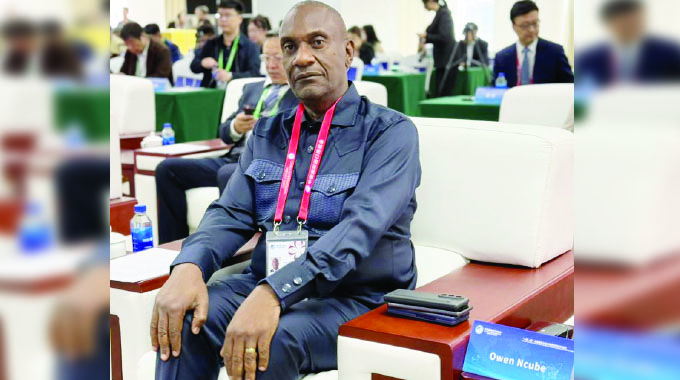
Patrick Chitumba, Zimpapers Writer
THE Minister of State for Midlands Provincial Affairs and Devolution, Owen Ncube, has applauded Zimbabwe’s progress in implementing key infrastructure development projects under the China International Import Expo Belt and Road Forum initiative.
Speaking yesterday in Shanghai, China, during the 8th China International Import Expo Belt and Road Forum, Minister Ncube said Zimbabwe had managed to deliver significant flagship projects despite the constraints of illegal economic sanctions, the Covid-19 pandemic and recurrent droughts.
“Despite illegal economic sanctions by our detractors, the Covid-19 pandemic and droughts, Zimbabwe, in partnership with the private sector, implemented significant Belt and Road Initiative complementary infrastructure development flagship projects that include roads, bridges, dams, ports of entry, power generation and related infrastructure,” he said.
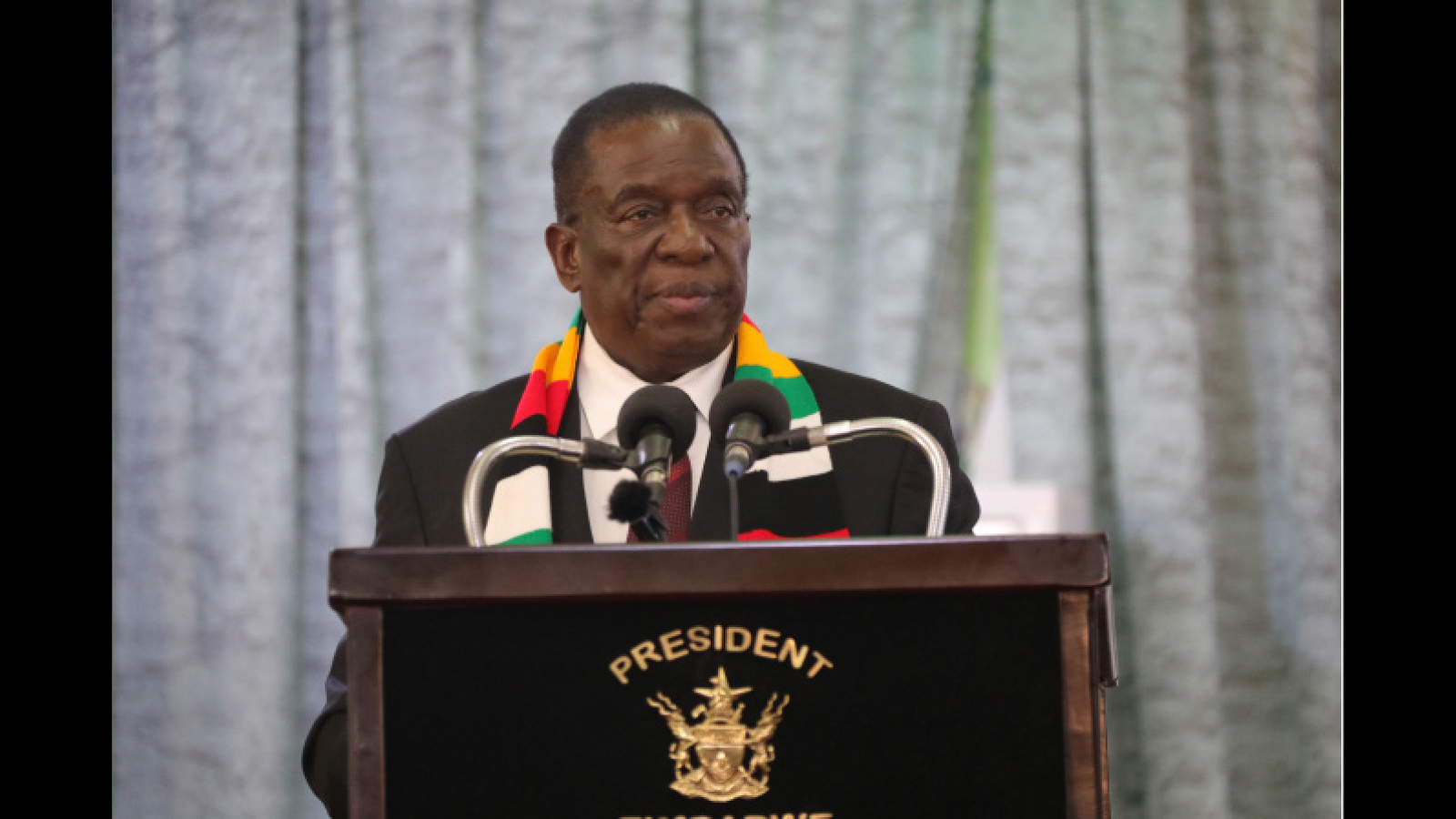
Minister Ncube expressed gratitude to President Mnangagwa and Chinese President Xi Jinping for the opportunity to attend the global event, which he said underlines the “comprehensive strategic partnership of co-operation” between the two nations.
He said the Forum’s objectives resonate strongly with Vision 2030, which seeks to achieve an upper middle-income society through heritage-based economic development, industrialisation and enhanced multilateral co-operation.
“It is a pleasure to be invited once again to this inclusive Belt and Road Forum on mutual co-operation. This demonstrates mutually beneficial engagements as we seek to promote high-quality development of the Belt and Road, grow our economies, improve livelihoods and strengthen bilateral ties that date back to the liberation struggle,” said Minister Ncube.
Since joining the Belt and Road Initiative (BRI) in September 2018, Zimbabwe has reaffirmed its commitment to globalisation, regional integration through Sadc and Comesa, and South-South co-operation. Minister Ncube said Zimbabwe draws important lessons from China’s “miracle growth,” noting that the Second Republic has prioritised economic diplomacy, investment attraction, private sector innovation, modernisation,and re-industrialisation.
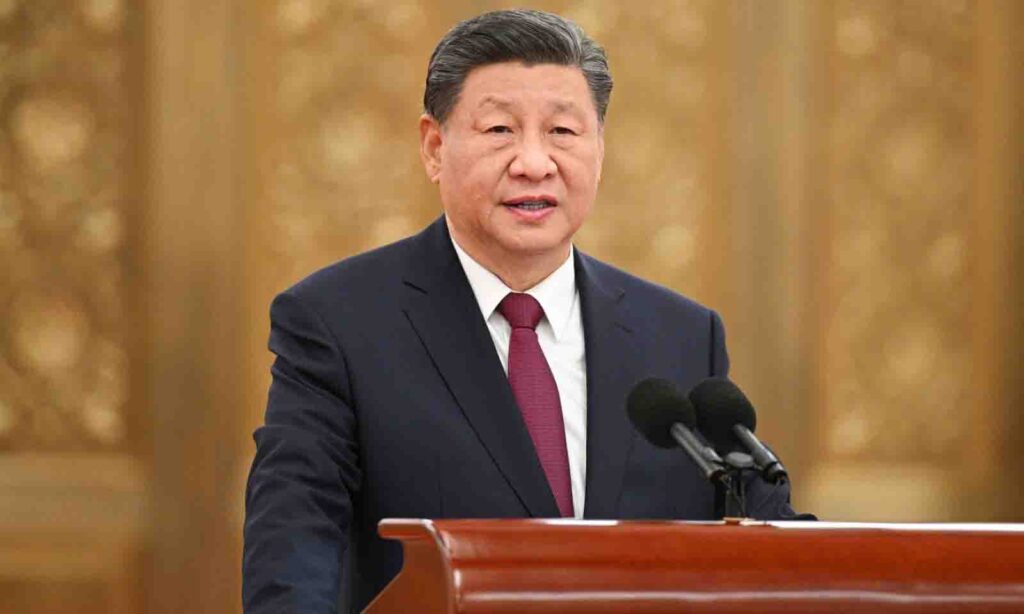
He added that Zimbabwe’s foreign policy thrust of being, “a friend to all and an enemy to none” aligns with President Xi Jinping’s vision of high-level global economic opening.
Turning to infrastructure projects, Minister Ncube said the country’s railway system is set for major upgrades following high-level engagements between the two Heads of State.
Minister Ncube also highlighted the Dinson Iron and Steel Plant in Midlands, a Tsingshan Holdings subsidiary poised to become one of Africa’s largest steel producers. Phase One, with an annual production capacity of 600 000 tonnes, is already operational and employs more than 2 000 people, mostly locals.
The minister cited several completed infrastructure milestones, including the Robert Gabriel Mugabe International Airport upgrade, the new Parliament Building in Harare and Hwange Units 7 and 8, which have significantly boosted national power generation.
Minister Ncube said Midlands Province remains open for investment, tourism, and trade, boasting vast mineral resources and strategic logistical advantages. Zimbabwe’s selection as Forbes’ top global travel destination for 2025, he added, reinforces the country’s growing international appeal.
“Good climatic conditions and diverse ecological regions support numerous agricultural activities. Zimbabwe is a leading producer of high-quality tobacco and cotton and its beef is highly regarded,” he said.
Minister Ncube noted that Zimbabwe is endowed with high-value minerals including gold, diamonds, antimony, platinum, lithium, iron ore, ferrochrome, cobalt, nickel, silver, coal and others.
He invited delegates to consider investing in Zimbabwe.
“The Midlands Province is profoundly grateful and happy to be part of this forum.
“May I take this opportunity to invite you all to visit, trade and invest in Zimbabwe, the World of Wonders in general and the Midlands Province, the pinnacle, heartbeat and resource centre of Zimbabwe in particular,” said Minister Ncube.