

 Online Reporter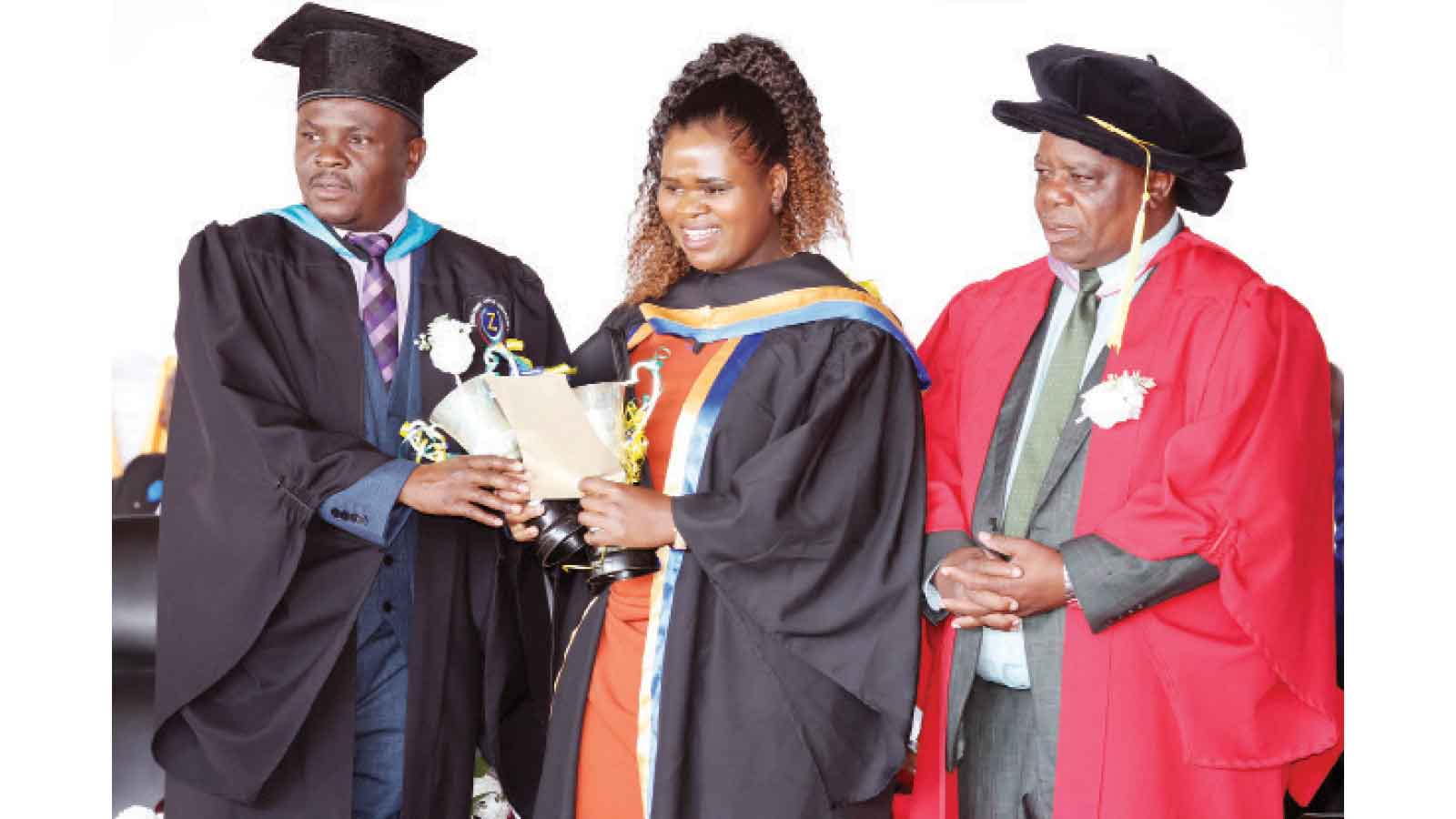
Herald Correspondent
NYADIRE Teachers College is successfully steering its academic mandate toward rural industrialisation and economic self-reliance, a stance that has won praise from Higher and Tertiary Education, Innovation, Science and Technology Development Minister Dr Frederick Shava.
In a speech read on his behalf by his Deputy Minister Simelisizwe Sibanda, to mark the college’s 40th prize and awards graduation ceremony yesterday, Minister Shava said the college’s trajectory perfectly mirrored the Second Republic’s National Development Strategy 2 and Vision 2030 to elevate Zimbabwe into an upper-middle-income society through a responsive, technology-driven higher education system.
“I am equally impressed that Nyadire College of Education is among colleges that have fully embraced President Mnangagwa’s Heritage-Based Education 5.0 model, which aligns education with industrial needs and promotes skills revolution, innovation and a knowledge-driven economy, critical for embracing the 4th Industrial Revolution,” Dr Shava said.
The college has established eight entrepreneurial business units.
Minister Shava said these ventures do not just remain academic exercises, but actively “serve as a third revenue stream for the college”, while creating much-needed “employment opportunities for the local community.”
Nyadire has also diversified its curriculum into technical and vocational education and training, with the college now offering a National Certificate in Professional Cookery and a National Foundation Certificate in Bakery and Food Preparation alongside its traditional Diploma in Education.
Dr Shava described the expansion of subjects as a transformative initiative aimed at addressing critical skills gaps necessary for national development.
“Furthermore, Nyadire College of Education is at an advanced stage of establishing a Secondary Teachers College, reinforcing our commitment to access quality, equitable, and inclusive education.”
Turning to institutional inclusivity, the Minister commended Nyadire for modifying its physical infrastructure to ensure an enabling environment for all learners, noting the enrolment of four students with disabilities and five students under the college’s “Work for Fees” initiative.
“Going forward, the college is encouraged to strategically increase enrolment of students with disabilities and recruit more under the Work for Fees programme. Government has a budget line to support vulnerable students.”
According to the Principal’s report, a total of 151 graduates completed their courses and were capped at the colourful ceremony.
Of the 151 graduates who completed their programmes, the Principal’s report showed that 132 were female and 19 were male, representing an 87 percent female majority.



