Lovemore Dube
IT has been a torrid time to go through. Time heals, but memories of a good 25 years will linger forever.
Mkhululi Sibanda to me was a respected journalist, loyal friend and my proud homeboy who told very beautiful stories.
His best was Lest We Forget, where he chronicled details of the struggle, going down memory lane with some liberation struggle heroes, detailing some encounters that as a kid I heard of like the Battle of Inyantue.
I lived in Hwange and I remember Dinde and Inyantue friends talking about those before 1980 and when I read about them in recent years, through blow by blow accounts by some of the ex-combatants, it was confirmation of what back then appeared to be just a village story.
Hearing that the Government had granted him Liberation Hero status was a great tribute to a brilliant journalist, he stood by his country and celebrated the legacy of the struggle by being loyal to the country at a time many turned their backs on the gains of the struggle.
Mkhululi passed away in Bulawayo, on 3 July after a short illness. He turned 55 on 9 May.
Mavikaneni (Kezi) and Lobengula suburb-bred, Mkhululi, was the kind of journalist who lived for the story and for the people behind it.
Colleagues knew him as a sharp pen, a fearless questioner and a mentor who never let a lazy line or a half-told truth slide.
To many younger reporters, he was the “number one critique” — tough, honest and always pushing you to be better.
At work, he was my go-to guy. When need arose, he did not hesitate to ask me to go through his Lest We Forgot articles in case dates and facts appeared dubious. He always wanted to go deeper in all his fact gathering, because he went an extra-mile, he demanded same from subordinates of which I am one.
I always said it is good that I go through the stuff because he was in the village during the war, he knew what he saw in the village. Being in town exposed me to a broader view about the liberation story.
That would not be the end of it.
Having pushed him to document the struggle stories of ex-combatants, he would get his bragging rights on my Yesteryear Greats Column run on the same day with his.
“You see you were at boarding schools and Wankie when some of these guys played. Wothi sikutshele (Let me tell you),” Mkays would say.
He was a key source and critique of my stuff and that way the Sunday News Life section was able to celebrate our Yesteryear Greats.
His appreciation of real football legends was great and he conversed well with them and yet he never really wrote sports stories.
There was a time we spent three hours at a bar in the city and Mkays took me down memory lane with M’tizwa that evening.
He knew and appreciated beyond Highlanders players and history.
Whether it was a breaking story at midnight, a messy draft or just needing someone who would tell it straight, Mkhululi or Mkays was the first call.
At the end of the day after fighting all day for me to get my desk mates to clarify facts and figures, we were friends pacing down Bulawayo’s streets on our children’s errands or to buy food and drinks.
A good friend does not always agree with you. We differed a lot on soccer, Highlanders and a number of things but at the end we learnt so much from each other and shared an intimate relationship that made us family with colleagues in the newsroom.
We shared so much about ourselves and our families and was happy every time he heard about my kids excelling at school.
I played an Uncle’s role to his two boys Vumani and Ivumile. I was more like the Godfather to Ivumile to an extent that he chose Marist Brothers Dete for his secondary school education because I was a pupil there many decades ago.
In the newsroom he was a colleague. Outside it, he was a brother, a home boy, and a friend who carried Bulawayo in his voice and his pride.
He believed journalism was a service. He wrote with integrity, wit and courage, and he took seriously his role of holding power to account while lifting community voices.
His laugh was loud, his loyalty was louder and his red pen was legendary.
A few weeks ago he said to me he wanted to go home and I was keen to accompany him to Kezi. Mine was a mission of naughtiness. I said to him I have a middle name Thabani and a host of nicknames. He insisted he had only Mkays and nothing more.
I put it to him that he cannot be Mkays from Mkhululi when MK and Mkhu appear better and closer to his first name. I then said he must have some village name and most probably he is Makheyi and Mkays is short for that.
“Kanti Robin, Gono istory lesiyana, Bruseza, Mavutsetse, kanti Luv isitory senu lesiyana angisiboni,” this will be missed at the Sunday News.
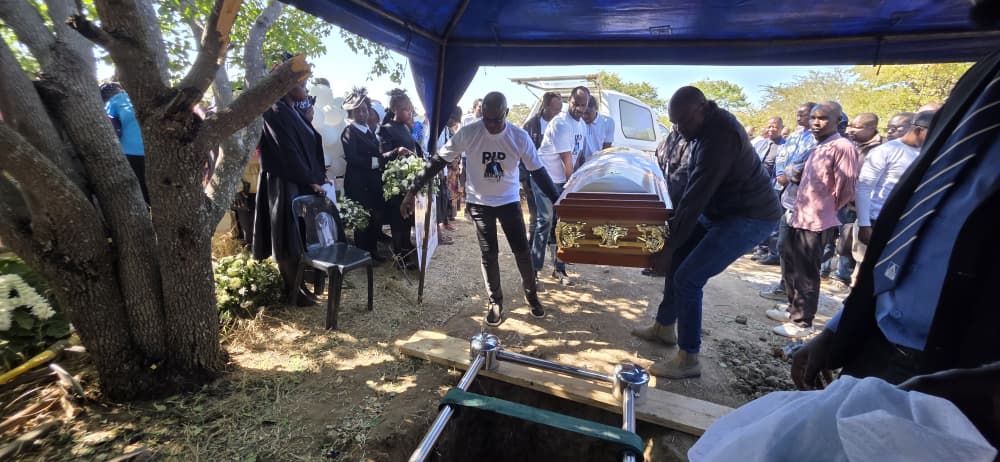
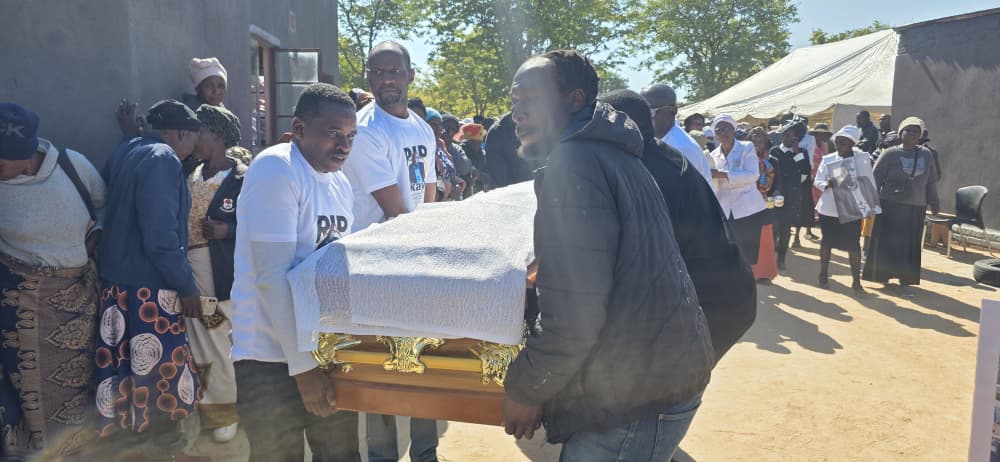
Sadly I would get to his village and homestead to bid him farewell on his way to an eternal newsroom.
Mkhululi is survived by his children, Lulu, Vumani and Ivumile, his mother, three siblings and a wide circle of friends, mentees and colleagues across Zimbabwe’s media fraternity.
He leaves behind a legacy in the stories he told, the reporters he shaped and the standard he set tell the truth, tell it well and never to forget where you come from.
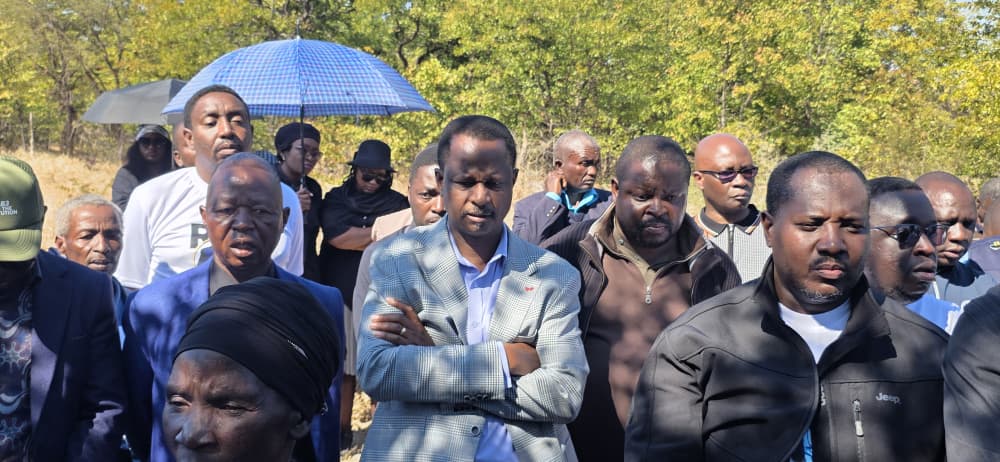
Mkays was buried at Mavikaneni (Matobo) on Friday.
“Lala ngoxolo, mkhaya. Uzohlala ukhumbulekile. Ngibuhlungu Mzalazi.”
Mkhululi Sibanda, a sport journalist who never wrote sports