Online Reporter
BONGANI NDLOVU IN BINGA
OBTAINING a birth certificate is an easy exercise for many people in urban areas, but not so for those in remote and hard to-reach communities due to connectivity challenges.
Long distances to registry service facilities and dangerous wild animals are among the hurdles many face in rural areas such as Siamusanga in Binga District, Matabeleland North Province.
Things that people in cities take for granted, such as a birth certificate or a national identification document, which allows one to travel using public transport, are a challenge for those in rural areas, where access to such services is limited.

For Emma Mwinde, it took her a trip from Gokwe under Chief Chireya in the company of her husband, Jonathan Siamsonga, who works at a fishing village.
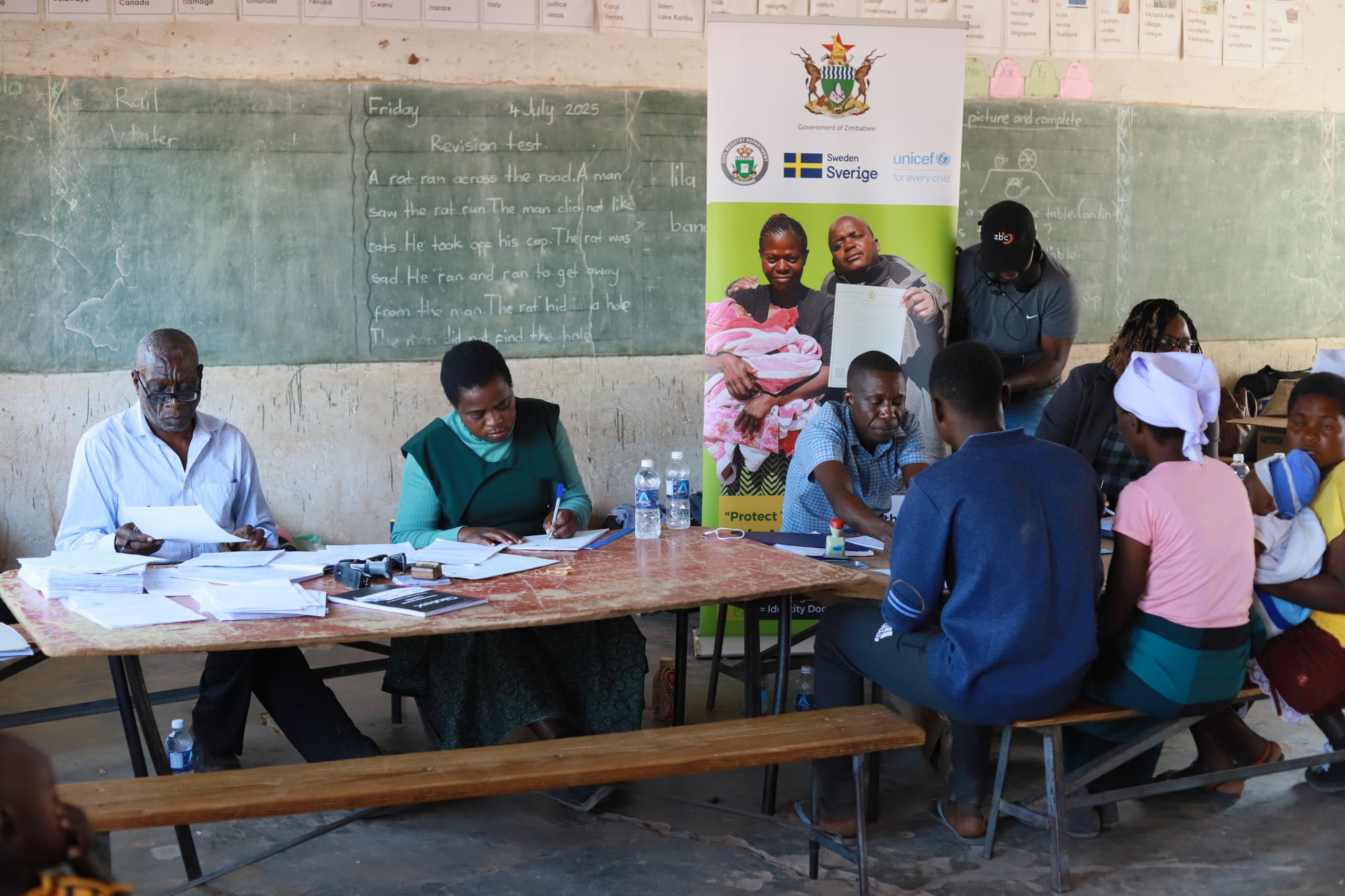
She heard over the phone that there was a week-long mobile registration exercise being held in Binga by the Government through the Civil Registry Department, in partnership with Unicef and the Embassy of Sweden, and she decided to take the risk. The exercise started on July 7 and will end on July 11. This is part of Zimbabwe’s integrated efforts to increase birth registration coverage, now at 57 percent, according to the latest Zimbabwe Demographic and Health Survey (ZDHS 2023-24). The initiative highlights how policy reforms by the Second Republic decentralisation, digital innovation, and community empowerment are driving tangible improvements in children’s access to legal identity.

The village where this initiative is taking place is 160km from Binga Centre and accessible via a difficult road, which takes around seven hours to navigate. It is 7km from the border with Zambia, under Chief Siamusanga.
The fishing village, where Mwinde’s husband works, is about 20 km away from Siamusanga Primary School. On Tuesday morning, with their three-year-old daughter, they began walking to the venue before dawn.
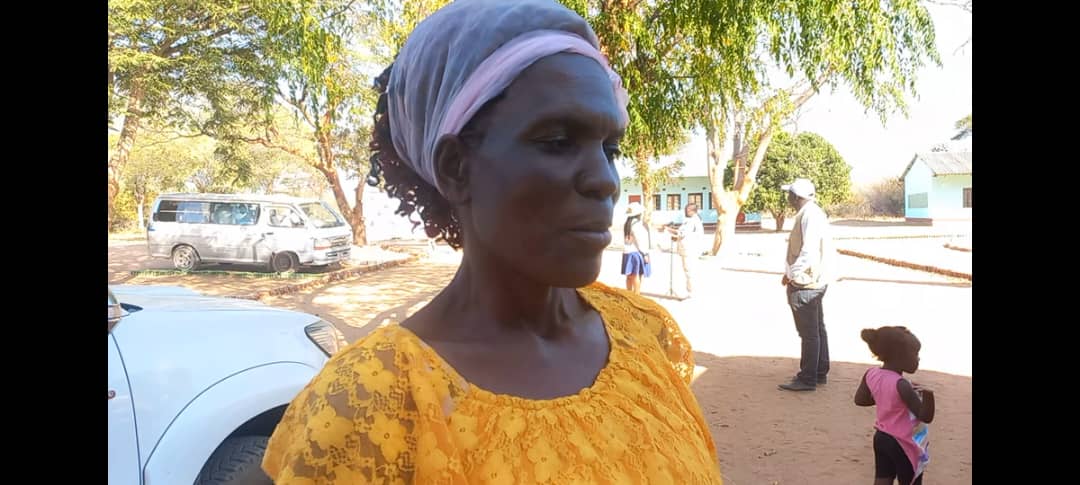
About 8 kilometres into their three-hour journey, Mwinde said they encountered a herd of elephants.
“We stopped. I was carrying the baby on my back. It was just frightening, but we know the nature of this place. There are elephants and also lions that roam around here,” he said. “So, we let them pass and we continued the journey when we were sure that all was clear,” sa Mwinde. Having to side-step elephant and hide behind trees while c the lookout for a pride of lior just to get birth certificates f your children, is worth the ris according to Mwinde, as the would otherwise have had travel to Siabuwa, which is over 60km away from where the live.
All her children, aged 13, eight and three, do not have birth certificates, and she wanted to get them all registered. Mwinde was told that all they needed was her presence and her ID, her husband and his ID, and the baby birth cards for each child, as long as they are below 16.
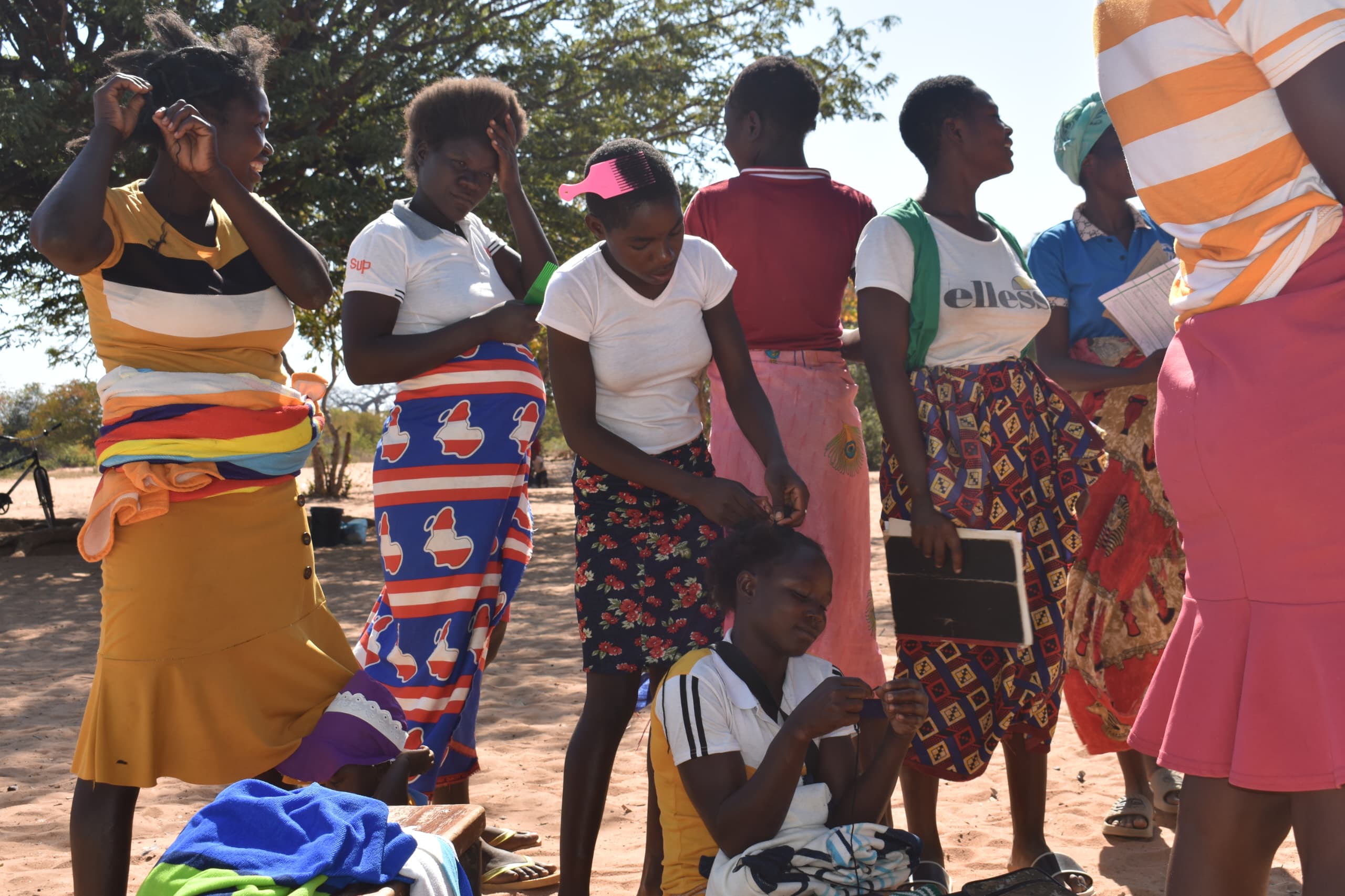
“I’m so relieved, as I thought I wasnt going to get the birth certificates for my other children. I left them in Gokwe and travelled here with my youngest,” said Mwinde. She was among scores of villagers, who turned up for the mobile registration drive in the village.
Brilliant Busongomwinde (26) and his wife Lulayo Mudenda (20) had twins, Tinashe and Tinotenda, who were both born in 2023 in their humble hut in the same village.
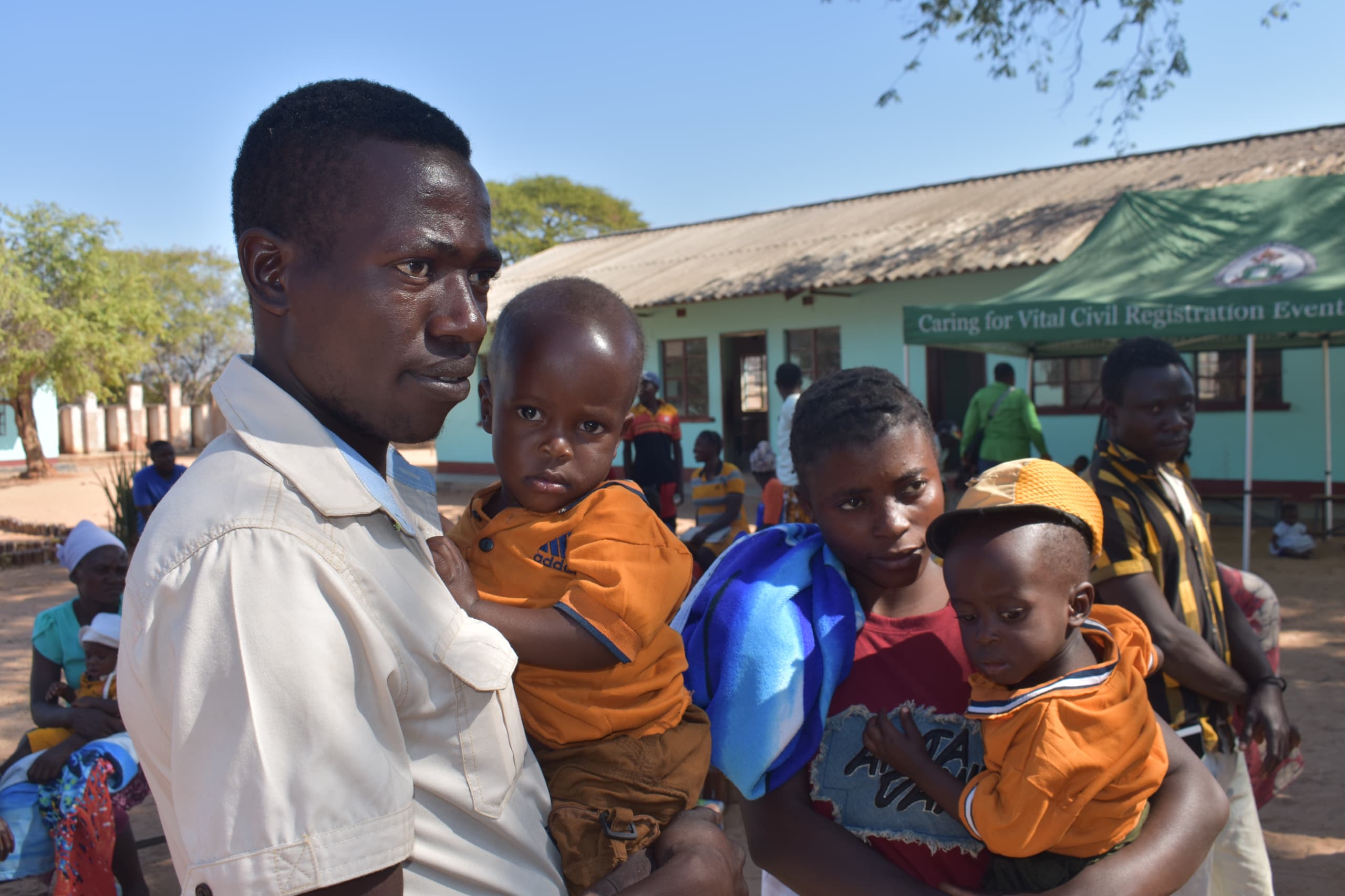
Busongomwinde said he had gone to the clinic in Chunga, which is 12km away, to inform them of his wife’s imminent delivery. He walked there.
When he returned home, he found Mudenda having already given birth.
“My children were born at home, and I am happy that now they have birth certificates. My wish is that this programme is done often, so that people can access their identification documents,” said Busongomwinde.
The area has no public transport, and people have to rely on well wishers, who might give them a lift for a fee of US$1, if they are lucky.
Playmore Mutanga had no ID after his house, along with 30 others, was burnt down in a fire in his village of Sengwa, 20 kilometres away.
“I lost all my identity documents during a fire in 2024. So, I didnt have an ID after that. To get here, I walked for about three hours, and we encountered elephants. We are always wary of that. I am so happy to have my ID,” said Mutanga.
The youth were not left out, as many of them took time to get their IDs, with members of the Civil Registry Department on hand to guide them through the process.
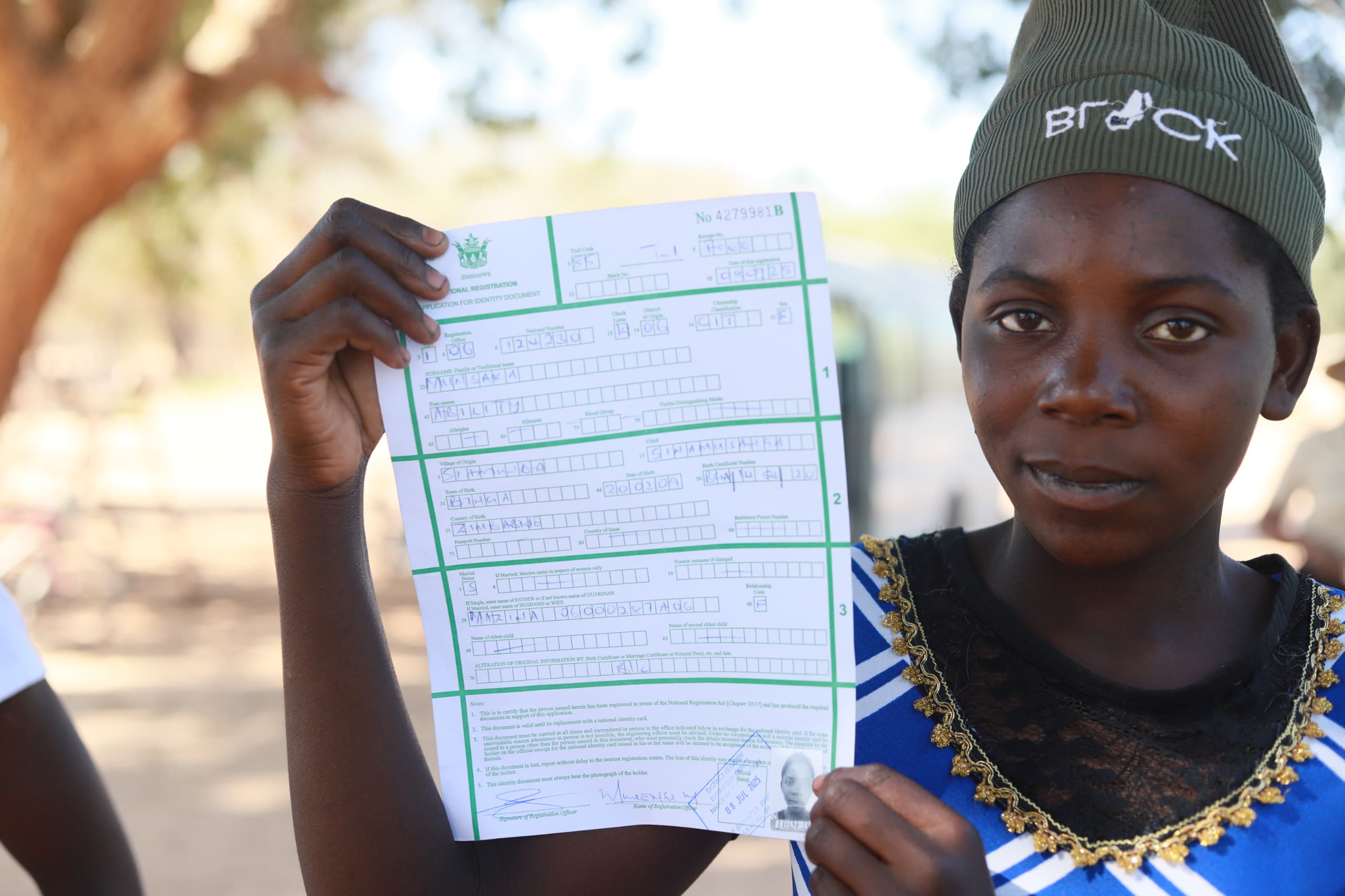
Advantage Mutanga (21) had no ID, as his parents died when he was young. He could not finish school, only making it up to Grade Seven. He said it has been hard to secure a job, as all require an ID.
Mutanga said that one day he wishes to go back to school to complete his studies and getting an ID was a step in the right direction for him.
Unicef Zimbabwe Chief of Child Protection, Dr Nyasha Mayanga, said securing a birth certificate is a gateway to accessing essential services, to protecting children, and to ensuring their right to identity and nationality is fulfilled.
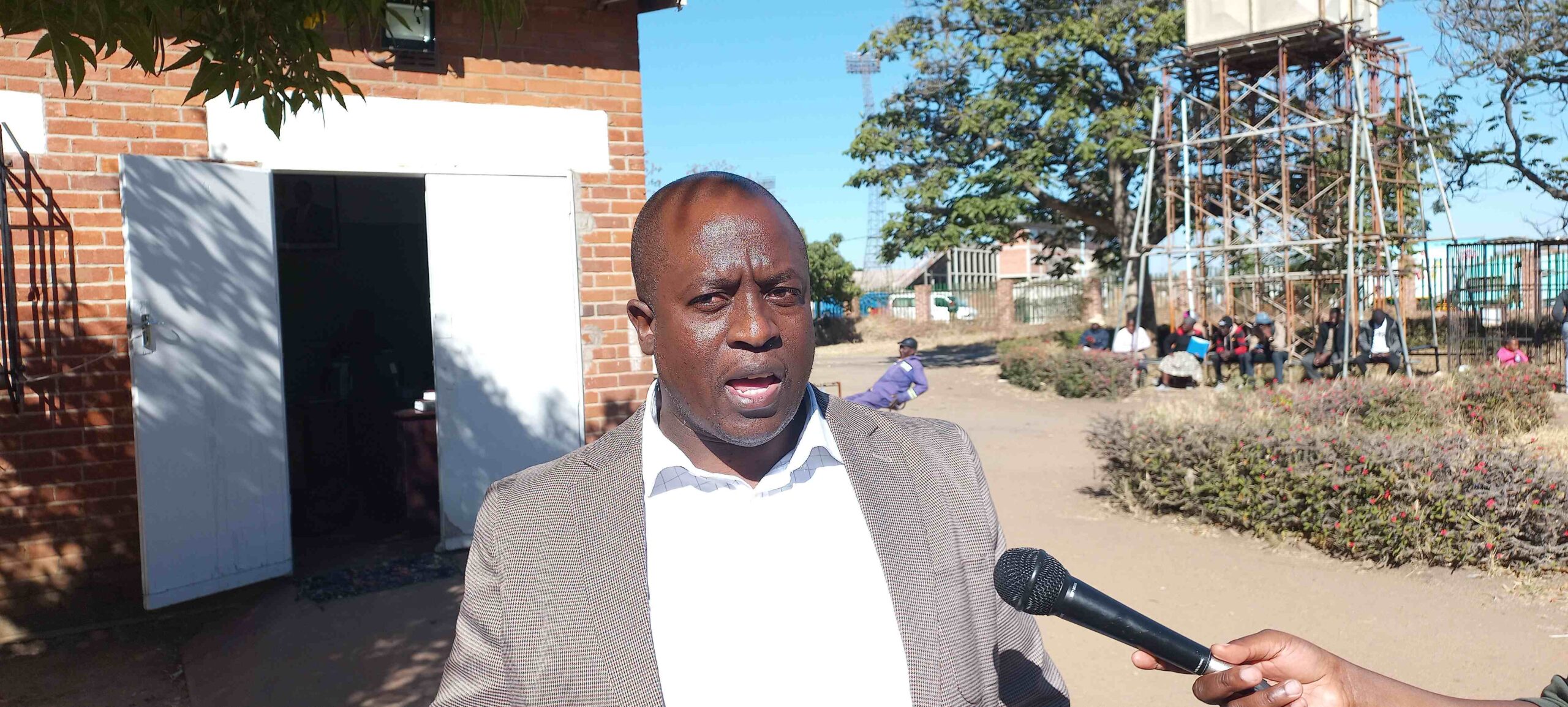
“Through the mobile registration in Sinamusanga in Binga, we are bringing services to the people, services closer to the families and the children. These are communities that have limited services. This is part of the Government’s policy of leaving no one and no place behind,” said Dr Mayanga.
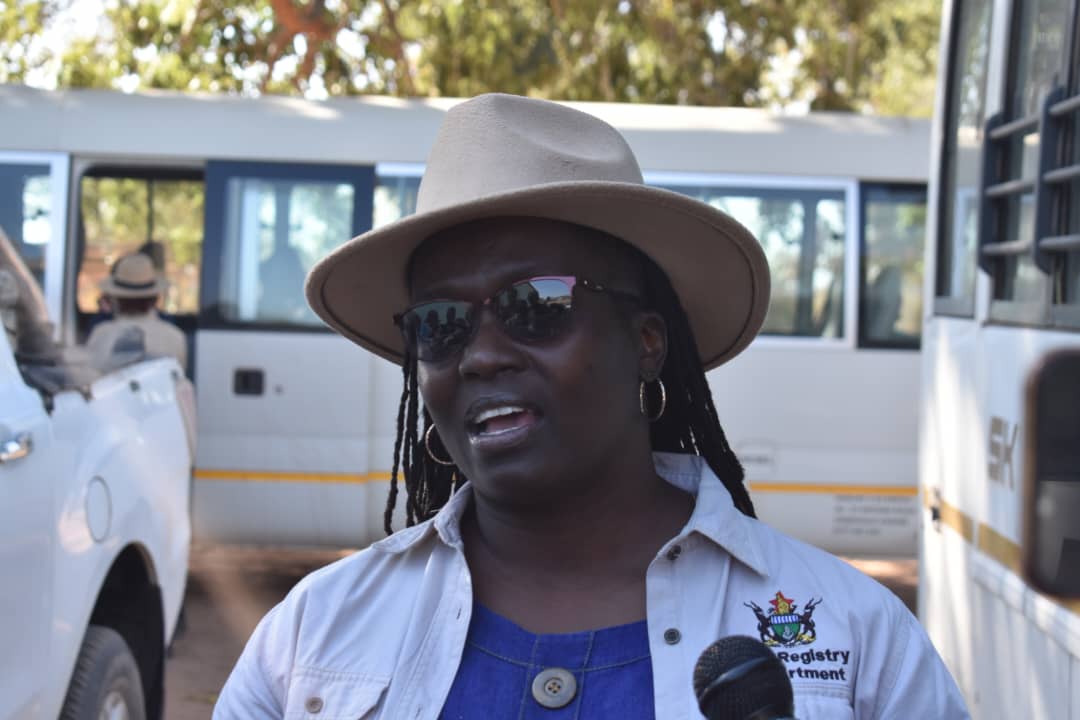
Deputy Registrar General provincial operations, Mrs Christina Chikerema, said they were going around the country’s eight provinces and targeting hard-to-reach areas to issue birth certificates and national identifications.
“Our main goal is to fulfil the key priority area of provision of legal identity for all by 2030. By targeting hard-to-reach areas, we are ensuring that no one and no place is left behind,” said Mrs Chikerema.
She said they have been to Masvingo (Chikombedzi), Mashonaland West (Mhangura), and are also focusing on Matabeleland South.
Mrs Chikerema said that although the Civil Registry has been decentralised, more could still be done to reach people deep in remote areas. She said the documents issued by the department have a direct impact on people’s lives.
“Some people have not made it in life because they don’t have documentation. For people to participate in all national affairs, they have to have identity documents, be it going to school, for women and men to access health services, to vote, or to get agricultural inputs. Our department is a cross-cutting enabler,” said Mrs Chikerema.
She said the partnership between the Government, Unicef and the Embassy of Sweden was crucial in enabling the roll-out of targeted campaigns.