Sundaymail Editor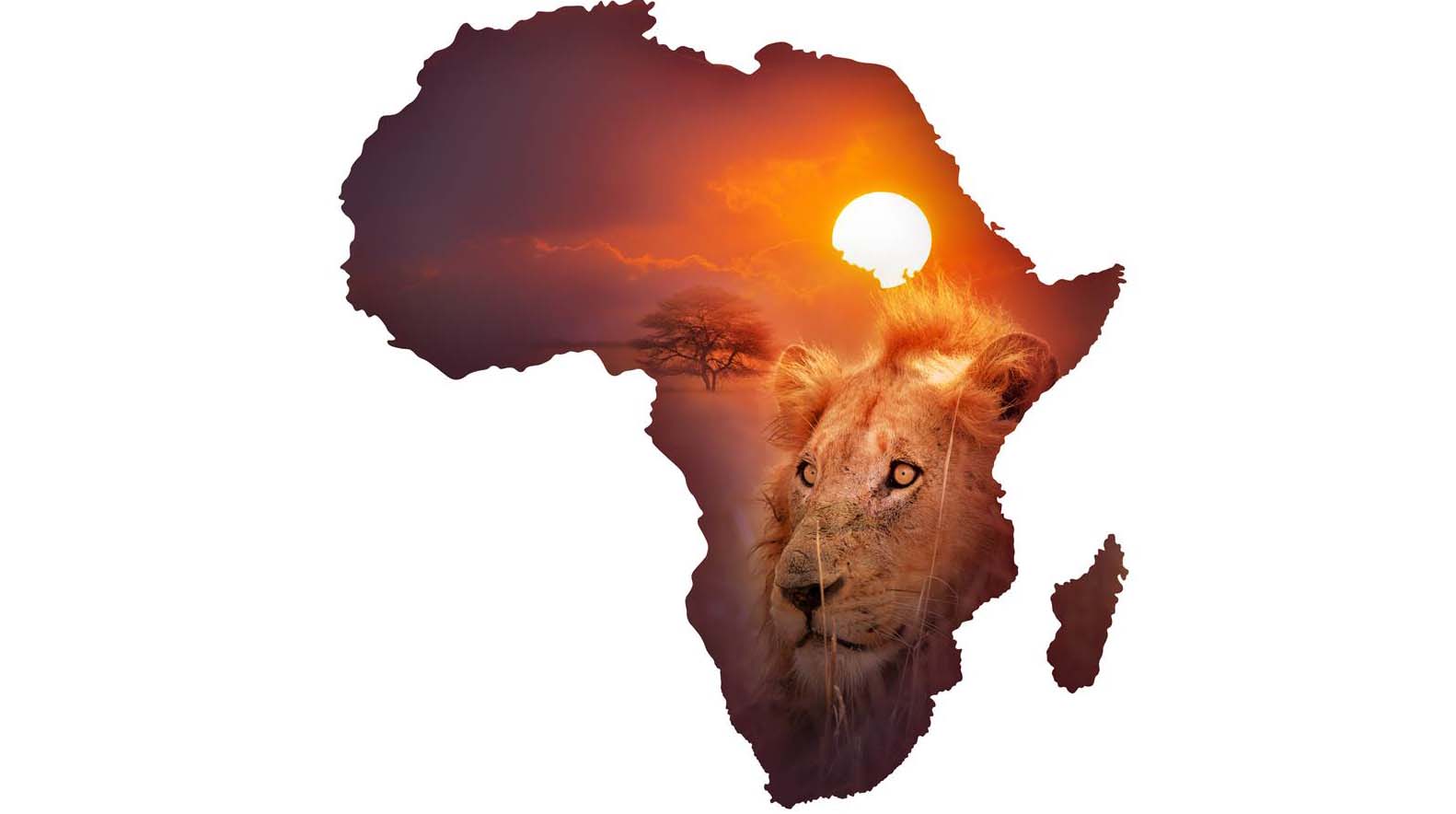
Hunt for Greatness
Milton Kamwendo
Those who dream are timeless and the dream of fathers should never be abandoned.
Dreams pursued with passion become inspiring visions. Visions that are embraced and owned have power. Greatness does not happen in a day but daily change happens and the narrative changes.
Change in Africa will not happen in a day, but every day can become a day of progressive change. Africa has a rich and proud past and legacy that it can build on. There are times when vision is a memory of the past and contextualised for the future. Africa cannot just be the world’s museum, it has to be a model of the future of the world. It takes thinking and acting differently.
The first area of change is at the model level. When we change the models we are working with, it starts a change. R. Buckminster Fuller once said: “You never change things by fighting the existing reality. To change something, build a new model that makes the existing model obsolete.”
Present reality is stubborn and at times blind to possibilities. This is why all change is driven by vision and a sense of new possibilities.
In August 2014, our leaders and fathers in African articulated a bold vision for Africa that they called Agenda 2063. They advanced six priorities that they termed, “The Africa we Want.” Their dream was a prosperous Africa characterised by inclusive growth and sustainable development. It was an Africa that would leave no one behind and in Agriculture where most people are employed, we would burnish the hoe to the museum. Unless you can feed yourself you are bound to be a victim. Say all you want, hunger disables strategic thought.
The Africa of 2063 that the leaders envisaged would be characterised by:
- An integrated continent, politically united and based on the ideals of Pan-Africanism and the vision of Africa’s Renaissance.
- An Africa of good governance, democracy, respect for human rights, justice and the rule of law.
- A peaceful and secure Africa.
- An Africa with a strong cultural identity, common heritage, values and ethics.
- An Africa where development is people-driven, unleashing the potential of its women and youth.
- An Africa that is a strong, united and influential global player and partner.
This is a noble vision of Africa’s greatness. It does not happen on its own and no one except Africans can sponsor Africa’s greatness. The dream of greatness has to be embraced and pursued with passion and zeal. Without a great and inspiring dream, and the will to act no progress is possible. Great leaders make the impossible look possible and practical, while poor leaders make the possible look impossible and impractical.
Africa is a great place to live. There is no place like it. This is why it is easy to get out of Africa but difficult for Africa to get out of you.
It is not a single country but a continent full of dynamism, colour, diversity and wealth. Africa has plenty for its people and a lot more to offer the world. As we celebrate Africa’s heritage, we have the responsibility to confront its challenges and ills. Africa has a great legacy but a shackled and abused past. Yet, blame will not change much. Africa is the wealthiest continent, with the poorest people. Many of these people are hungry, sick and suffering from a lack of self-belief, confidence and leadership vision. Africa stares at the world, looking but does not see, even the things that are in plain sight.
Sir Rex Niven in his 1964 book: “The Nine Great Africans” identified nine Africans of great distinction that shaped Africa and history. He states that the purpose of his book was: “to show by looking at the lives of certain people and at surroundings in which they found themselves, how men of outstanding abilities and powers acted in their peculiar conditions.” His selection of the great African’s of old are: Arabi, the Egyption; Mutesa, the Chief of the Buganda; Menelik, the emperor; Seyyid Said the Sultan; Tshaka, the soldier and military genius; Muhammed, the Askia; Usuman, the preacher and founder of Achimota that was the foundation of the success and early prominence of Ghana; Crowther, the Bishop and J.E.K. Agrrey, the Teacher. In talking about Askia, Niven comments: “From among the people in the old kingdoms of Ghana, Mali, Songhai and so on, the Askia Mohammed the Great seems to stand out pre-eminently. He would have been remarkable in any age and in any continent.
This is true greatness when people can see that in any age and any circumstance you would still have been great. The DNA of greatness in Africa is not dead. There is greatness in Africa and there is greatness in you seeking expression.
Niven reverts us back to African greatness when he says: “There they are. The chiefs and scholars: the men of action and the men of God. We might have chosen a different team: we might have followed a different pattern. But here is variety, here is courage, here is leadership: here is that indefinable quality that comes out in great men, whatever their colour or their creed, whatever the age they live in.” Greatness knows no boundaries, no limits and no excuses. We can build on this greatness to create the Africa we want. In Africa’s bossom lies great men and women.
On Africa soil walks Africa’s great people. Many of them are not aware that there is greatness in them and a calling to be great managers of Africa’s resources and value-driven leaders with vision and responsibility.
Niven challenges us to emulate his class of Africa’s finest when he says: “Without them the earth would have been a drearier place: without them man’s lot would never have improved. They did no go about trying to raise up the underdog; indeed they sometimes did evil; but they stirred up the spirits, and indeed quite often the souls as well, not only of their contemporaries and of those in their vicinity but also of those in the future still unborn.”
Africa is rich, well endowed and yet it punches so low below its weight category. That does not have to continue. There are five elements that Africa needs to confront and deal with in order to progress: Victim Thinking; Values that are Distorted; Vision and Leadership; Superstition and Voodoo Crafts; and Vain Glory and Conspicuous Consumption. There is no time for visionary thinking when we are seized with superstition.
Africa’s past is filled with the horror of slavery, colonial subjugation, divisions, violence, raped should, witchcraft, fear, apartheid, curses, bloodshed.
The tale of ills are many and the cast of perpetrators is also huge. No one group can stand tall absolved of responsibility in some way. Lamenting about the past has very limited utility because it cannot be undone. Africa is held back by a mass hypnosis of fear and thinking like victims. We easily think that our problem were manufactured elsewhere and we were force-fed these problems. The coin of progress is daring to accept and take responsibility. No amount of blame will move us forward in any way. Blame in any guise never takes anyone forward. Whoever we blame we empower to perpetrate our misery. Life changes when responsibility is accepted.
Mr. Moeletsi Mbeki sets us thinking when we argues: “African leaders sustain and reproduce themselves by perpetrating the Neo-colonial state and its attendant socio-economic systems of exploitation.”
He continues his line of thought by saying: “As a result Sub-Saharan Africa today consists of fossilised pre-industrial and pre-agrarian social formations.” The blame game is not a game that ends well or takes people to their desired end state. Small thinking, and victim mindsets will not solve our problems. We have to stop blaming and start taking responsibility. Greg Mills is his pointed way says: “African leaders have successfully managed, with the help of donors, to externalise their problems, making them the responsibility (and apparently the fault, too) of others.
To move forward we have to address our value systems, many of which are confused. Common good must never be scarified by personal gain and toys. Greg Mills in his book, “Why Africa is Poor,” challenges us to rethink our decisions, priorities and policies. He says: “Although Africans have preferred to lay blame for the continent’s predicament, and thus the solutions, at the door of outsiders, there is little that the external community can achieve without Africa’s agreement.” We have to look closely at our values and what they say about our value system. Values that trumpet shiny things at the expense of real growth and development have to be addressed.
Whatever we do not have was because we did not value it enough. Shiny things and toys boxes will not move a people forward. Personal success that does not embrace the good of all is futile. We do not have hospitals because other priorities mattered more. We do not have schools, because of what we valued. Our institutions are weak because of our values. Whatever you see that is shocking can be traced to our values. Values are not the glowing documents that we write, nor the excellent turn of phrase that we so proudly display. Values are what we do first and what is most important to us. Hollow values result in cankered and impoverished societies.
Vision and leadership are critical for Africa’s progress. One leadership writer once commented that there are so many leaders, yet so little leadership. In talking about the evident state of Africa Greg Mills comments that Africa finds itself with a number of fragile and failed states that have abrogated the responsibility to find resources to rebuild their countries to others. Greg Mills jabs the balloon of our African pride when he says:”This apparent passivity in the face of dire leadership can at least in part, be attributed to culture: Neo-patrimonial ‘big man’ chieftain styles of rule, dispensing favours and using all manner of tools to bolster their rule, from traditional governance structures to kinship ties and less palpable aspects, including witchcraft and the church. The system many African leaders have preferred thrives on corruption ands nepotism.”
We can change the narrative in Africa. From Africa always begging to Africa rising to take her place among the family of nations. It takes getting over the historical hangover, seeking to leapfrog and have a clear picture of what greatness means to us as a people. Small little battles, apportioning blame and mindlessness will not take us to the future. Greatness starts with you and me.
Committed to your greatness.
Milton Kamwendo is a leading international transformational and motivational speaker, author, and a virtual, hybrid and in-person workshop facilitator. He is a cutting-edge strategy, team-building and organisation development facilitator and consultant. His life purpose is to inspire and promote greatness. He can be reached at: [email protected] and His website is: www.miltonkamwendo.com.


 Online Reporter