

 Online Reporter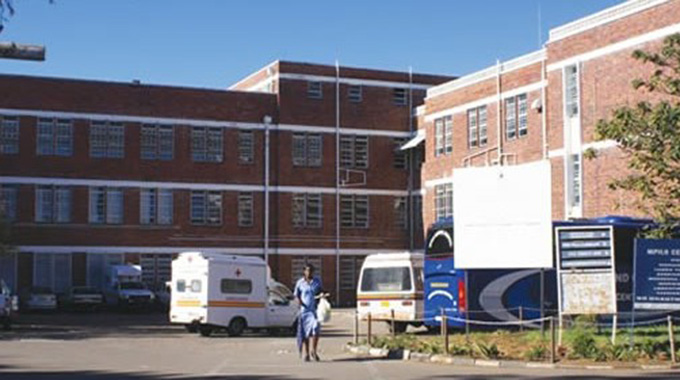
Sikhumbuzo Moyo
FOR thousands of Zimbabwean families, a cancer diagnosis has often brought more than the fear of illness.
It has meant long journeys in search of treatment, prolonged waiting periods, emotional strain and, in some cases, the crushing financial burden of seeking specialised care outside the country.
This week, however, hope arrived in Zimbabwe in the form of two massive 22-tonne machines that could dramatically change that reality. Zimbabwe’s fight against cancer received a major boost with the arrival of two state-of-the-art high-energy Linear Accelerators (LINACs), advanced radiotherapy machines set to transform oncology care and significantly improve access to specialised cancer treatment across the country.
The two TrueBeam LINACs, among the most advanced radiotherapy systems currently available globally, arrived in the country this week and will be installed at Mpilo Central Hospital in Bulawayo and Parirenyatwa Group of Hospitals in Harare.
Beyond the impressive technology and engineering behind the equipment lies a more profound story — one of renewed hope for cancer patients, restored confidence in local healthcare and a significant milestone in Mpilo Central Hospital’s journey to reclaim its position as a leading referral and specialist health institution for southern Zimbabwe and beyond.
The equipment, supplied through select Healthcare Pvt Ltd in partnership with Siemens Healthineers and Varian Medical Systems, represents a major milestone in Government’s ongoing efforts to modernise Zimbabwe’s healthcare infrastructure and strengthen cancer management services.
In a statement ahead of the arrival of the equipment in Bulawayo yesterday, the Ministry of Health and Child Care said the machines will substantially increase the country’s cancer treatment capacity, improve access to specialised oncology services and reduce the need for patients to seek costly treatment outside Zimbabwe.
LINACs are advanced radiotherapy machines that use high-energy radiation beams to precisely target and destroy cancerous tumours while minimising damage to surrounding healthy tissue, making them a critical component of modern cancer treatment. “The arrival of the equipment will substantially increase Zimbabwe’s cancer treatment capacity, reduce the need for patients to seek expensive treatment outside the country and support the Government’s drive towards accessible, world-class oncology services,” said the Ministry.
For Mpilo Central Hospital, the development marks more than the acquisition of new equipment. It signals the revival of a health institution that has for decades served as a critical referral centre for patients from Matabeleland North, Matabeleland South, Midlands and neighbouring countries.
Speaking during the offloading of the equipment in Bulawayo yesterday, select Healthcare managing director Mr Biggie Magarira described the development as a game-changer for the country’s healthcare sector.
“We are really excited that we are bringing new, innovative systems to treat cancer in the southern part of the country. We are also excited to partner Government in enhancing health for all in Zimbabwe,” he said.
Mr Magarira said the TrueBeam system is among the latest cancer treatment technologies available on the global market and is equipped with cutting-edge features that will improve treatment precision and patient outcomes.
One of its key innovations is the ability to image patients during treatment, reducing dependence on separate CT scanning procedures while enhancing accuracy in radiotherapy delivery.
The machines also feature advanced remote connectivity technology that enables engineers and specialists to monitor system performance in real time and provide technical support from different locations, ensuring maximum uptime and efficiency.
Mr Magarira said the procurement process took nearly six months from manufacturing to final delivery due to the sophistication of the equipment.
“This came by air because we wanted things to happen quickly. We could not wait for sea freight given the delays being experienced globally. The entire 44 tonnes of equipment arrived within three days, demonstrating our commitment to ensuring the project moves forward without delay,” he said.
He added that select Healthcare has assembled a team of highly qualified engineers who will oversee installation, maintenance and technical support under a comprehensive warranty and service agreement designed to guarantee uninterrupted operations.
Installation of the first machine at Mpilo Central Hospital is expected to begin by the end of this month, while preparations are underway for the installation of the second unit at Parirenyatwa Group of Hospitals.
Mpilo acting chief medical officer Professor Solwayo Ngwenya said the machines are not only important for the hospital but for patients as well.
He expressed his gratitude to the Government for the bold step towards restoration of the health facility’s radiotherapy centre to world standard.
“The machines will help in restoring Mpilo Hospital’s old image of being the centre of care in the southern half of the country and part of Southern Africa. This institution has always been a big centre for medical care,” he said.
“The development is a lifesaver, a God-sent, and I can’t imagine the number of lives that will be saved as a result of this.
“Overall for the hospital, this comes at a time when we have renovations of the hospital under the Government’s renovations and upgrading of healthcare facilities, a brain child of President Mnangagwa so the outlook of the hospital going forward will be a modern health facility,” Prof Ngwenya added.
His remarks capture what the arrival of the machines means not only for Mpilo but also for thousands of patients who depend on public health institutions for specialised treatment.
For many families across southern Zimbabwe, the equipment symbolises a future where advanced cancer care is increasingly accessible within the country’s borders.
The arrival of the advanced LINACs comes as Government continues investing heavily in health infrastructure, medical equipment and specialist services as part of broader efforts to improve healthcare delivery and achieve universal access to quality health services.
As cranes carefully lowered the massive machines onto hospital grounds, the moment represented more than a logistical achievement.
It marked the beginning of a new chapter in Zimbabwe’s fight against cancer and a major step towards restoring Mpilo Central Hospital’s status as a centre of medical excellence.
The development is expected to strengthen Zimbabwe’s cancer management capacity, improve treatment outcomes and offer renewed hope to thousands of cancer patients who have often faced long waiting periods or the financial burden of seeking treatment abroad.



