admin
admin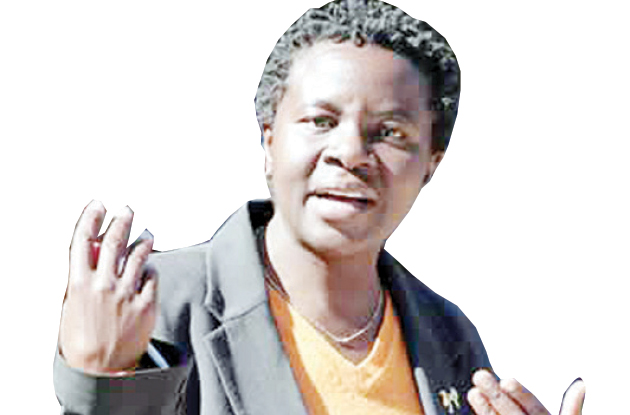

Clemence Manyukwe News Editor
LAWMAKERS have proposed a referendum to review the age of consent as opposition to the existing 16 years — which has been progressively lowered by the courts to 12 — gains momentum among those seeking to strengthen children’s rights.
MPs flagged the age of consent during Tuesday’s debate on the customary motion thanking President Robert Mugabe for the speech made last week while opening the Third Session of the Eighth Parliament in which he expressed his disgust towards those who rape children, who legally cannot consent to sex.
Harare West MP Jessie Majome (MDC-T), contributing to the debate, said there was need to go to a referendum for the country to decide the age of consent as the existing 16 years was unacceptable.
The lawmaker said the issue was of grave concern and was more urgent than political matters dividing MPs in Parliament.
“I’m proposing that the issue of the age of consent is one issue that should be subjected to a referendum,” said Majome, a lawyer.
“Referendums have only been known to be about political issues that are high. The issue of what age is it that our girls and boys should be able to indulge in sexual intercourse is a matter of grave concern that is even more important than all these other political issues that we talk about.
“I want to propose that we move away from the beaten track and actually conduct a referendum on the age of consent so that we can arrive at a destination where we protect our girls from abuse by setting the correct age and the boys also from maybe the diseases and issues like that.”
Majome said Parliament should give the matter its “very considered and very exhaustive attention.”
The legislator said Zimbabwe must demonstrate absolute zero tolerance to any form of rape.
Umzingwane MP Priscilla Misihairabwi-Mushonga (MDC) said if MPs could be called to report to Parliament on urgent business to deal with labour law amendments, the same urgency could be given to reviewing the issue of the age of consent, which was brought into sharp national attention when the Prosecutor General Johannes Tomana appeared to suggest that children as young as nine should be allowed to have sex, if they have nothing to occupy their lives, like going to school.
The lawmaker said it was unacceptable that there was a minimum mandatory sentence of nine years for stock theft, yet some rapists walk away with community service.
“We’ve a minimum mandatory sentence of nine years yet people can afford to give community service to the perpetrator when a child is raped. I think the world has spoken, people have spoken, that’s wrong. We don’t want it. Do you necessarily want women to march, to lie on our tummies, to undress?” asked Misihairabwi-Mushonga.
“What’s it that you want us to do for you to understand that we don’t want this law? You can’t tell me that my sixteen-year-old girl can consent to sexual intercourse with any man. I don’t care whether that man is 20, 30 or 75-years-old. Let’s immediately have a law that speaks to that issue where we review the 16-years-old and put it to 18-years-old which is the legal age of majority.”
Another MP Melody Dziva, from Manicaland, applauded President Mugabe for prioritising young people in his speech and making sure that there will be protection of children’s rights in the Bill that will be presented before Parliament.
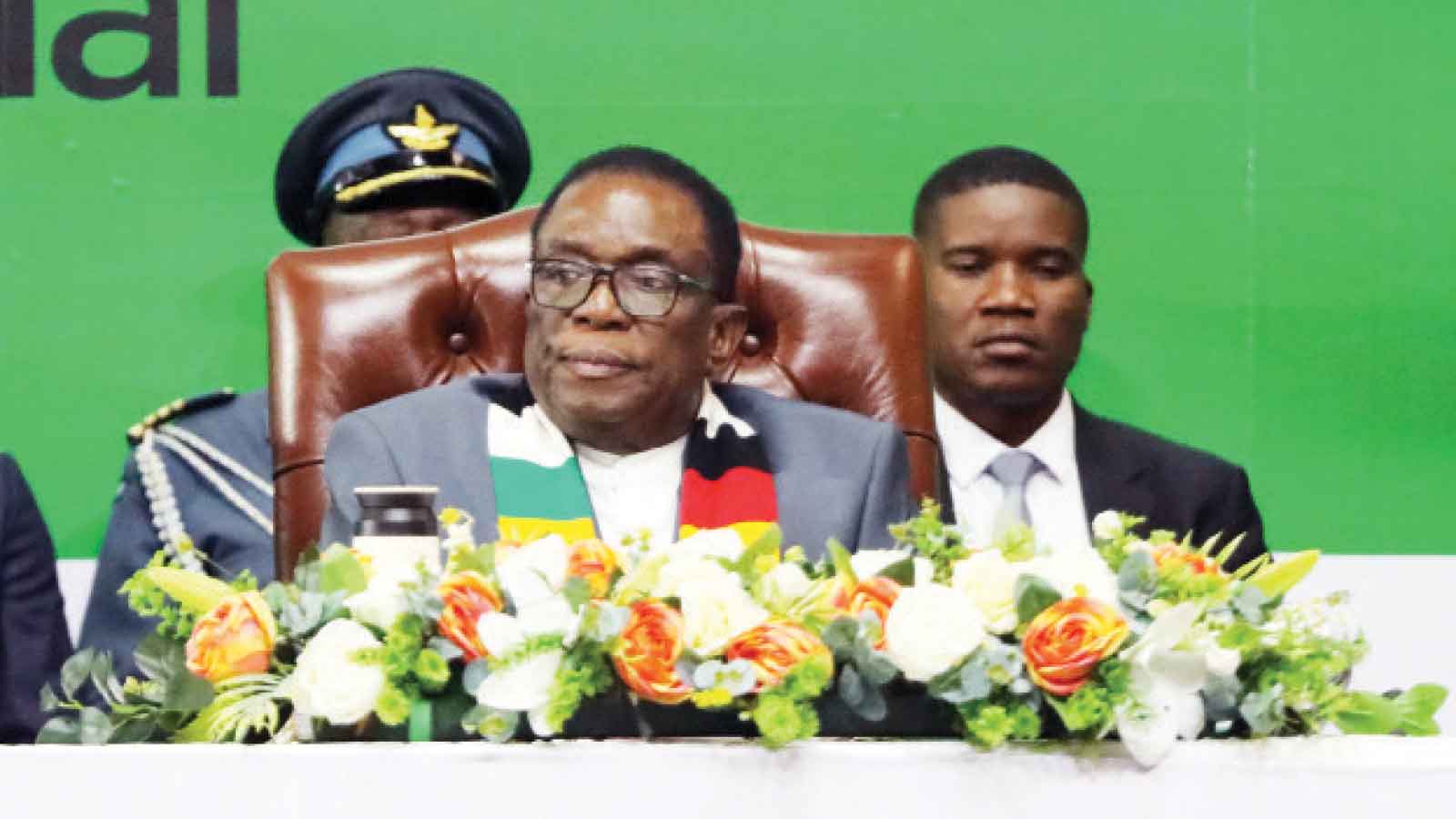
In his speech to officially open Parliament, President Mugabe said a Children’s Amendment Bill was on the cards as extensive consultations had been completed on issues affecting children, including issues raised by young people themselves during the 2015 session of the Junior Parliament.
The President said the government was re-examining the country’s laws with a view to imposing mandatory sentences on perpetrators.


 Online Reporter