admin
admin
the key objectives of economic growth and poverty reduction, Secretary for Economic Planning and Investment Promotion Dr Desire Sibanda has said.
In an interview, Dr Sibanda said Government and other stakeholders were agreed that the MTP would lead development between 2011 and 2015 hence the need to ensure that all strategies are implemented for the good of the country.
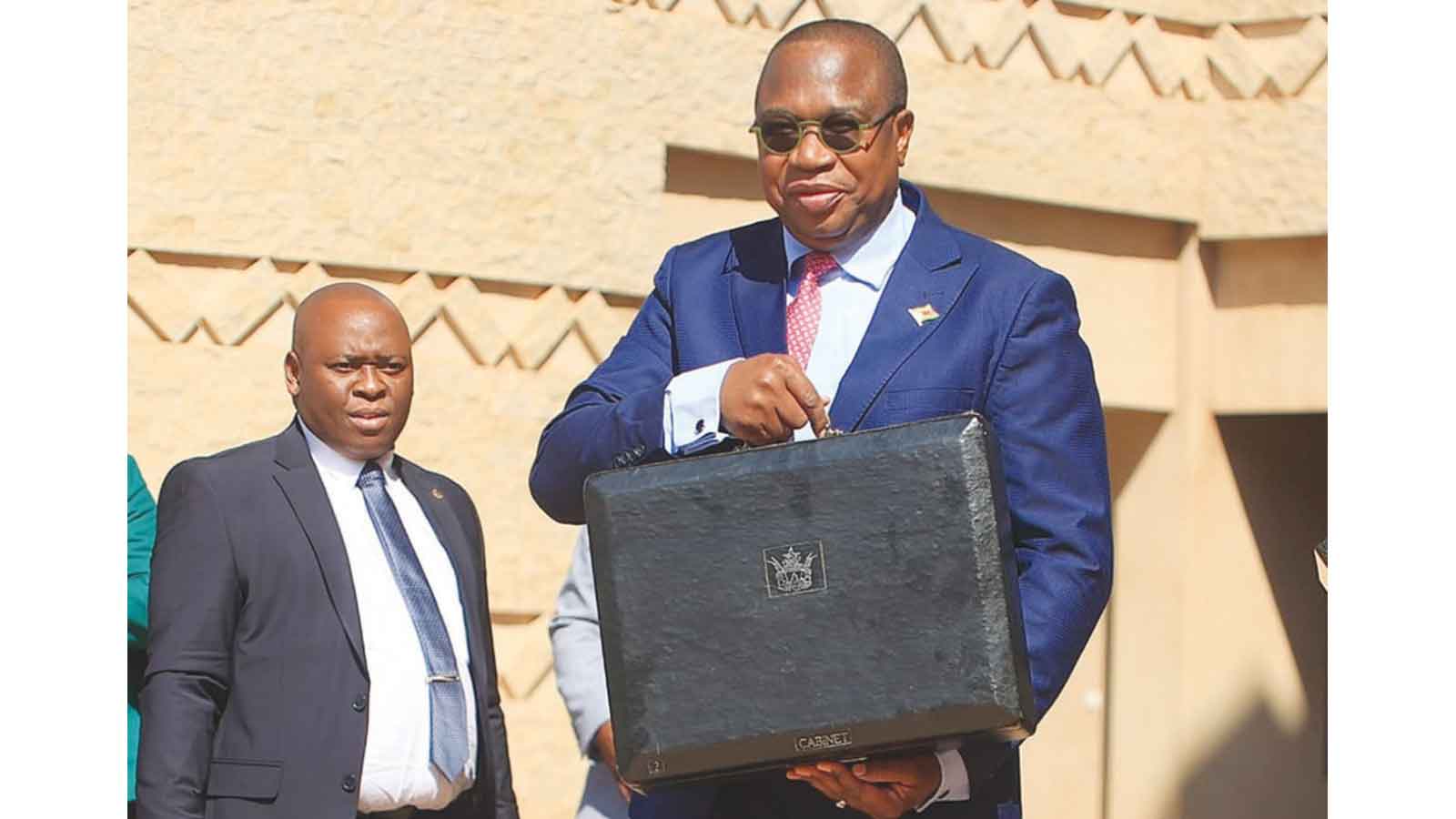
The National Budget, to be presented today, is one such document that could be used as an instrument to implement the MTP.
“As a country we have successfully come up with a vision and set targets to reduce poverty and create jobs, among other targets so we should not deviate from the plan.
“I hope we will soon get to a point where the Budget will reflect and be guided by the MTP as the overall plan. It’s a paradigm shift coming from a Westminster system of budgeting where the Chancellor of the Exchequer decides what should be in the Budget but we will get there,” Dr Sibanda.
It would be critical for Parliament to ratify the MTP to ensure accountability and full implementation.
In Ghana, for instance, their economic vision is now an Act of Parliament.
Growing economies like India and China have adopted economic visions that guide all policies and development programmes.
“As a result they have become very successful.”
The MTP was launched in March to spearhead socio-economic development.
Its major objectives include sustainable economic growth and development, poverty reduction, employment creation, price stability, financial stability and inclusively and improved liquidity in the economy.
It intends to achieve a 7,1 percent average economic growth over the next five years, single-digit inflation, employment creation rate of 6 percent per year and foreign exchange reserves of at least three months import cover by 2015.
Dr Sibanda was upbeat that the MTP would achieve its targets, with a full stakeholder buy-in.
He stressed the importance of private sector involvement, saying with 90 percent of the National Budget going towards recurrent expenditure, it’s only logical that the private sector moves in to leverage the plan.
Indications are that objectives for this year would be met given that inflation, at 4,2 percent for October, would end the year in the single-digit territory while the economy was set to grow by between 7,8 percent and 9,3 percent.
“The advantage for MTP is that it was launched when the economy was already growing,” said Dr Sibanda.
On issues like lending rates and interest rates on deposits, Dr Sibanda said discussions with representatives from the banking sector were expected to yield results.
Loans from banks have largely remained expensive, hovering between 12 percent and 25 percent per annum while interest earned on savings has remained negligible.
A major challenge, said Dr Sibanda, was inadequate power supply, which he singled out as having potential to derail the MTP. Under the plan power generation is expected to expand from the current 1 600 megawatts to 3 200 megawatts to foster industrial growth.
The multi-currency transaction system was also critical in ensuring macro-economic stability while improved liquidity in the economy would help solve such challenges as low capacity utilisation.
Therefore, Zimbabwe is likely to retain the multi-currency system for some time to come.
Firms needed to invest in research and development to boost capacity and ensure a significant reduction in the import bill.
Dr Sibanda said the provincial launches of the MTP were almost complete as Government sought to take the programme to the people.


 Online Reporter