Online Reporter
Mbulelo Mpofu [email protected]
IN April, The MultiChoice Talent Factory (MTF) Southern Africa Academy celebrated the graduation of 20 exceptional students in a ceremony held at the Zambian-Italian Cultural Centre.
This milestone marked the culmination of an intensive journey of world-class training designed to empower Africa’s next generation of cinematic storytellers.
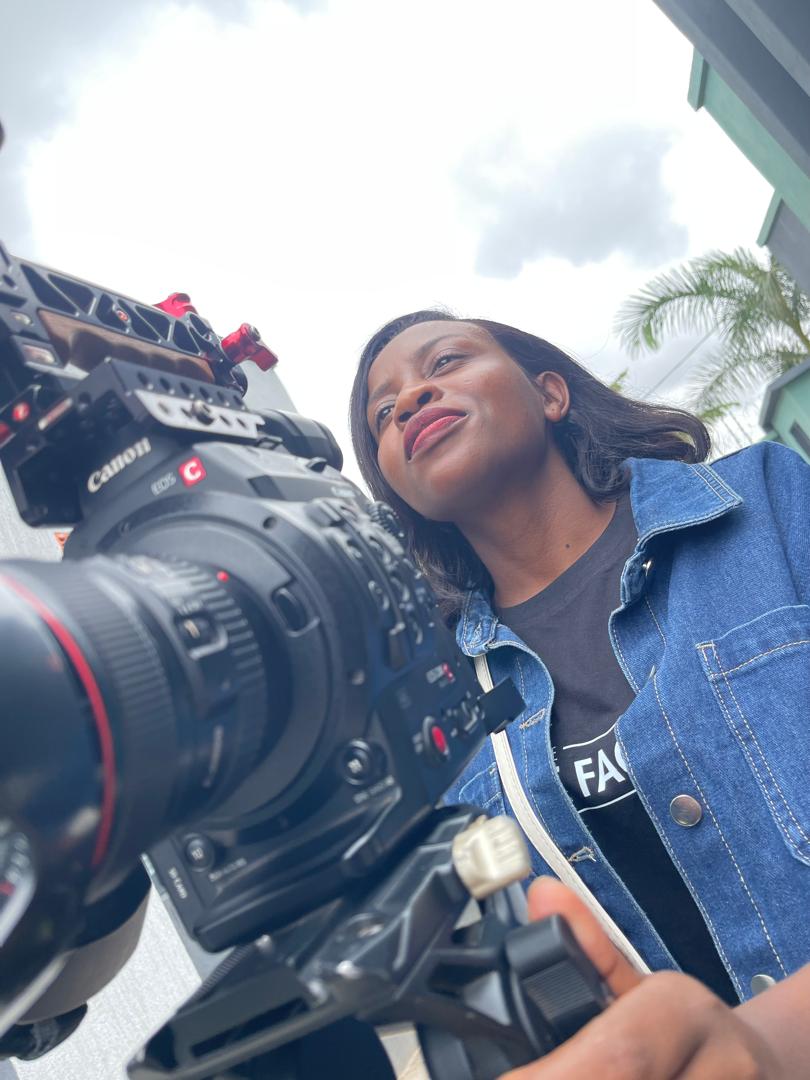
The Class of 2025/2026 has completed a rigorous curriculum covering the full spectrum of filmmaking, including directing, producing, cinematography, scriptwriting, and editing.
Beyond the classroom, these graduates have gained invaluable industry exposure and mentorship from seasoned professionals, producing high-quality content that captures authentic African narratives.
Among the cohort were Zimbabwean students, Tatenda Kombora (TK) and Anthony Chiturike (AC).
Having graduated, the pair is determined to make a mark of the world of African film and television production.
In a Q and A, they reflect on their experience and on what lies ahead:
Q: What has been the single most important change in your life since you started the MTF course last year?
TK: Perhaps my belief in my own talents and capabilities. I applied for the MTF primarily as a creative writer, never before having written a script. I applied primarily to learn visual aspects of storytelling, to challenge myself to see if l could grow beyond creative writing and l believe I have.
Not only was l selected as co-writer of the movie that we produced as a commissioned project by Zambezi Magic, but l have also written a few more scripts as well. One of my fondest moments will be on one of our table readings for our movie script, where l witnessed my classmates laughing, sighing and exclaiming loudly at the scenes that l had written.
Viewing their reactions as being those that l had intended is something l will never forget. Watching scenes for which l had assisted with lighting shows me that there is little or nothing that one cannot learn if one sets your mind to it.
AC: The biggest change for me has been recognising that filmmaking is not only about creativity, but also about a full professional approach. I’ve learned the importance of discipline, quality and understanding the business side of things. It shifted my mindset from just wanting to tell stories to being ready to work in the industry as a professional.
Q: Has the course opened new horizons and perhaps even some new doors for you?
TK: I believe so. In just three months, because of the opportunities that we were exposed to and my own keenness to connect with filmmakers, l have already built a reliable network of contacts with Zambian filmmakers, for example. If filmmaking is a business of relationships, then l am excited to see these relationships produce more collaborations between Zimbabwe and Zambia.
AC: Yes, it has. Working with people from across Southern Africa and learning from industry professionals has been a beneficial experience. It helped me build a strong network and grow creatively. Most important, it made me realise that some of the limits I thought existed in our industry were just my mindset, I now have the skills and confidence to push past them.
Q: What change or changes do you hope to effect within the Zimbabwean film and television industry as an MTF graduate? How will you add value to that industry?
TK: One person may not be able to change an entire system, but that person can influence it and, with others, change it. What our industry needs is more financing, and that will require corporates and governments recognising the potential the industry has as an economic entity. Film can shape how people see a country and by supporting the film industry, this can lead to positive positioning.
Zimbabwe’s digital space is booming and revenues from the film industry can be impactful. It is my dream to see this happen in Zimbabwe. I would like to add value by working on action films, a genre l love writing for. I want to bring my skills to bear by bringing stories in an African setting grounded in realism. Comedy is another genre for which l love writing and perhaps l could bring in my own unique angle to make audiences laugh.
AC: I would like to help raise the standard of film production and encourage teamwork in the industry. I plan to create content that connects with local audiences and which also competes internationally. I also hope to bring more structure to how projects are run, especially in planning and how crews are treated, so that our stories are told with the quality they deserve.
Q: Will you stay in contact with the other course students in coming months and years?
Definitely. The principal photography phase of our movie allowed us to support each other in our working elements and many of my colleagues have amazing work ethics and extremely creative minds. We collaborated on a few short films, where l was able to direct and write and which can be found on YouTube.
Our class produced six short films during a space of three months. For me, this was crucial in allowing me to practice the skills on set that we had been learning theoretically. Most of us have many ideas currently in stages of conceptualisation and l can’t wait to see them come to fruition in the years to come.
AC: I definitely shall. The experience we went through together created a strong bond. We’re more than just classmates. We’re a network and I see myself working with many of them on future projects because we understand each other’s work and standards.
Q: Are you likely to assist other young people who may wish to follow you into this industry?
Yes, certainly. There have been a few people in touch with me and l am giving as much help as I can to such people. Film is a collaborative process.
AC: Yes, for sure. Mentorship is important to me. I want to support upcoming filmmakers by sharing what I’ve learned, helping them build their skills, and giving them opportunities. Growing the industry means helping other people grow, too.
Q: What advice can you give to students in the upcoming MTF academic year?
Learn, learn, learn. Do your best to learn everything about the craft you are specialising in and challenge yourself to learn about other areas of filmmaking over and above your own focus area. That helps you to grow.
AC: I’d say to them: learn as much as you can from everything you encounter: classes, practical work and even mistakes. Work well with others because your network is very important. Take your time with planning, because it makes everything else easier. And always stay curious. Keep learning and stay true to your own voice.
The MTF is a training and education initiative of MultiChoice Africa, a Canal + company created to enhance the pool of talent in the African film and television industry. Students from across the continent undergo courses hosted at key regional venues – Gauteng for South Africa, Lusaka for Southern Africa, Nairobi for East Africa and Lagos for West Africa. Each year, Zimbabwean students have been among the courses selected for the Southern African region.
– Follow on X @MbuleloMpofu