Online Reporter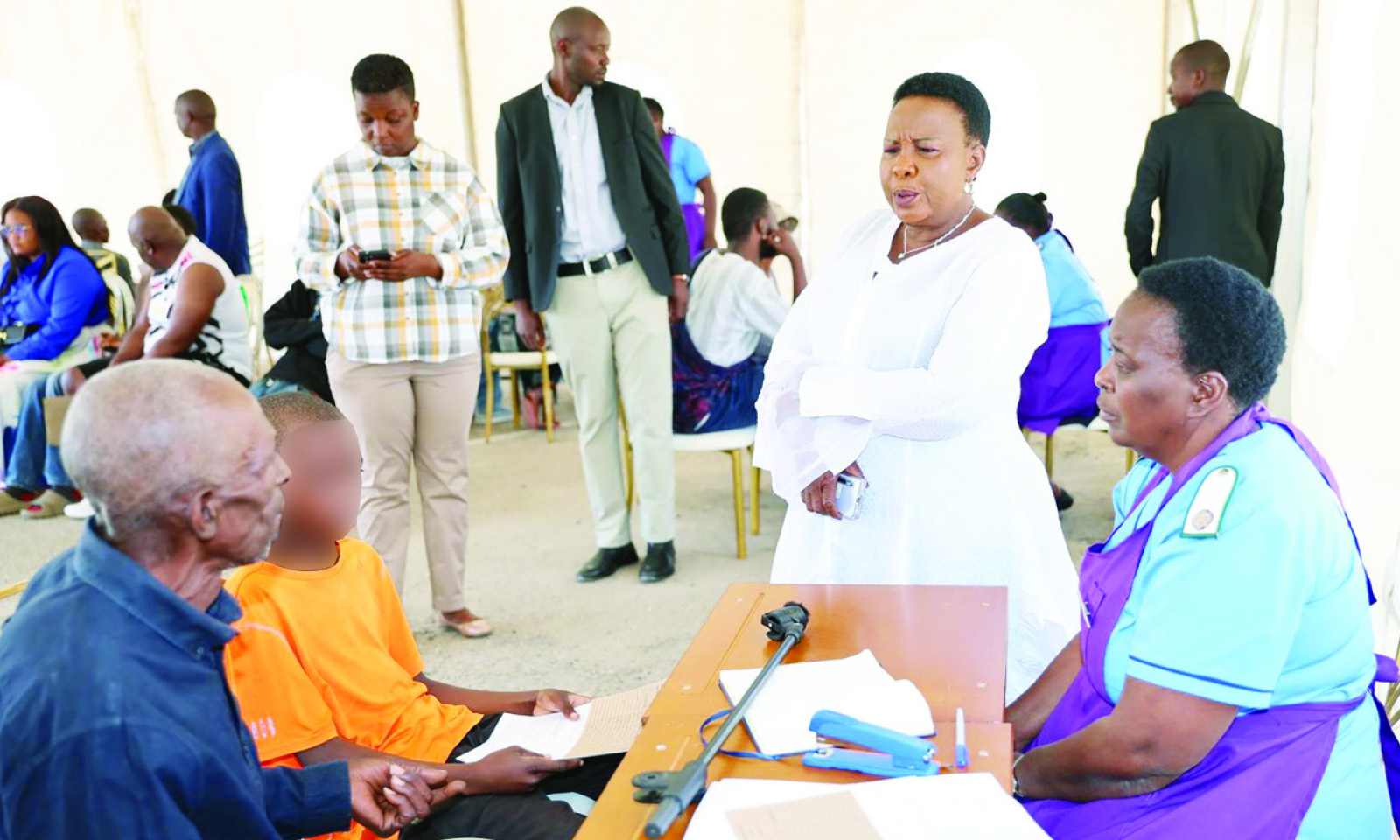
Blessings Chidakwa
Herald Reporter
THE grounds of Angel of Hope Drug Rehabilitation Centre in Mbare have turned into a hive of activity, as testimonies of transformation continue to ripple outward, drawing families desperate for change.
Last weekend, parents and guardians streamed in with their children for the centre’s oversubscribed third intake at Stodart Hall, Mbare, which enrolled 200 patients, some arriving with quiet resolve, others visibly restless and anxious.
The swelling numbers represent more than statistics; they speak to the chain reaction that recovery sets in motion. One restored life becomes the spark for another to try.
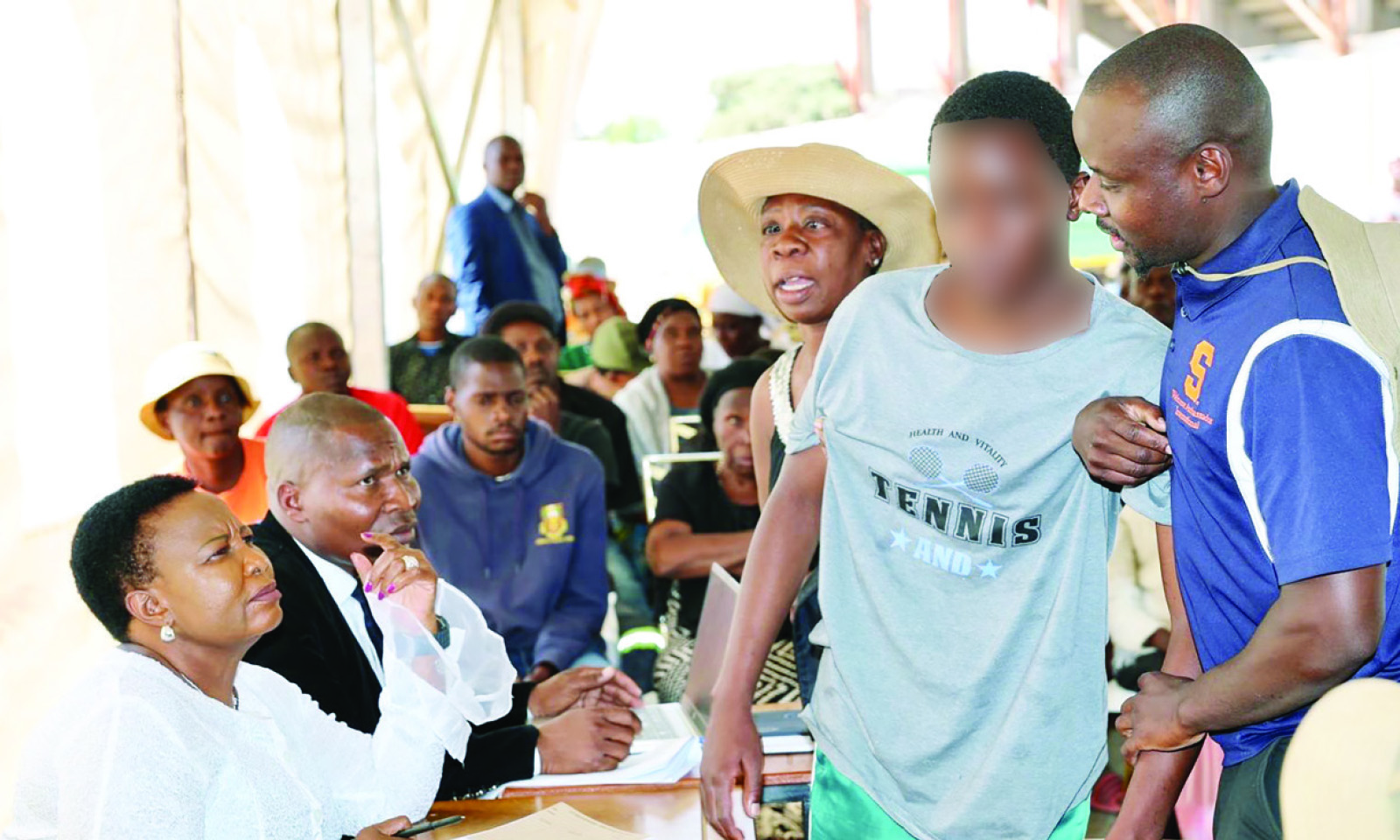
Families from across the country endured the vetting process, some clutching children who had to be restrained in handcuffs, others struggling to contain outbursts, incoherent mutterings, even attempts at violence against their own parents.
A few sat glassy-eyed, numbed by the lingering grip of drugs and substances.
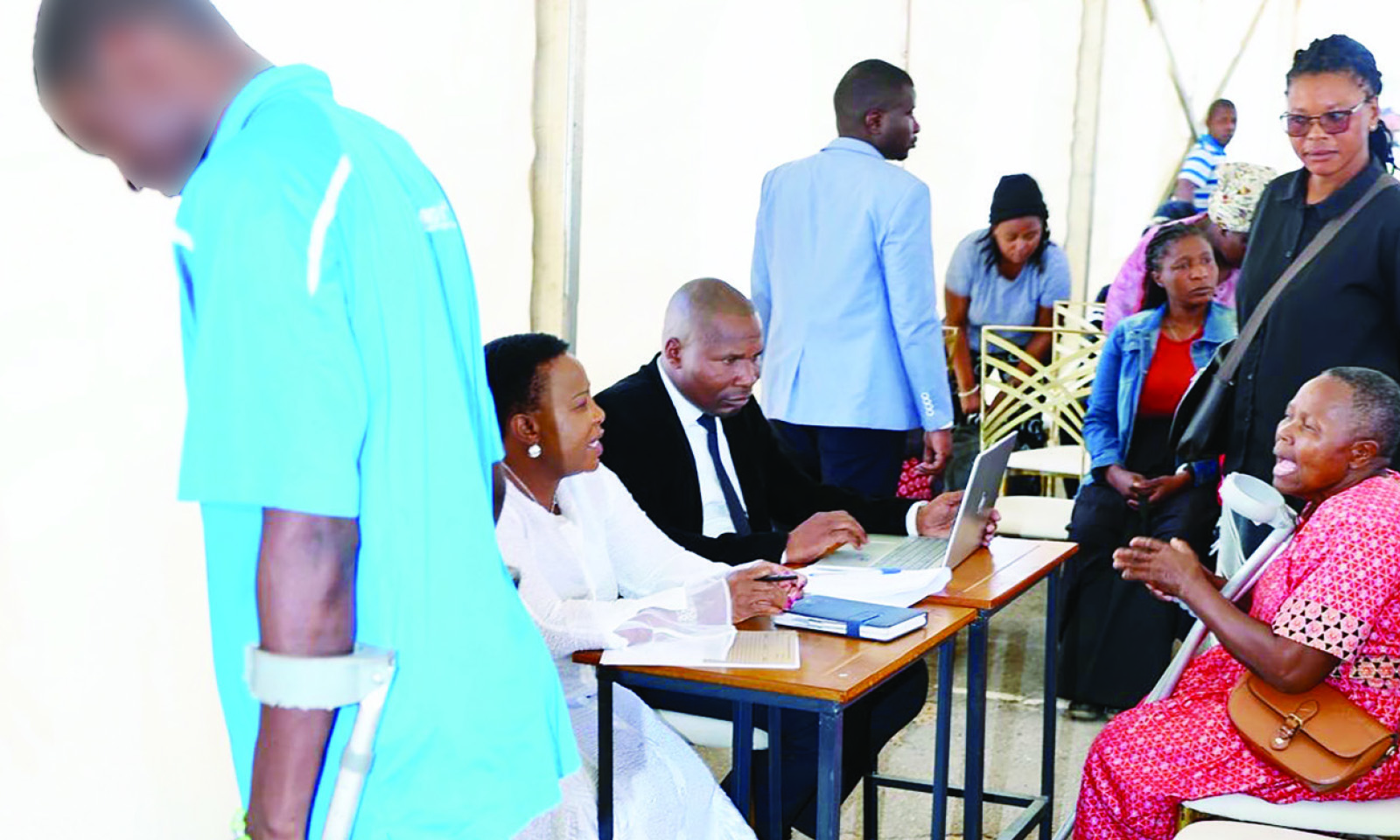
Among the most heart-wrenching scenes was a 14-year-old school dropout arriving with his grandfather, two mothers attacked by their own children, while awaiting vetting and a grandmother leaning on crutches, her grandson by her side.
Among the notable patients was a legal practitioner and university graduate who had fled from his family on his own graduation day.
First Lady Dr Auxillia Mnangagwa spent time speaking with families during the assessments, listening to stories of how the addictions began and offering words of comfort to those weighed down by despair.
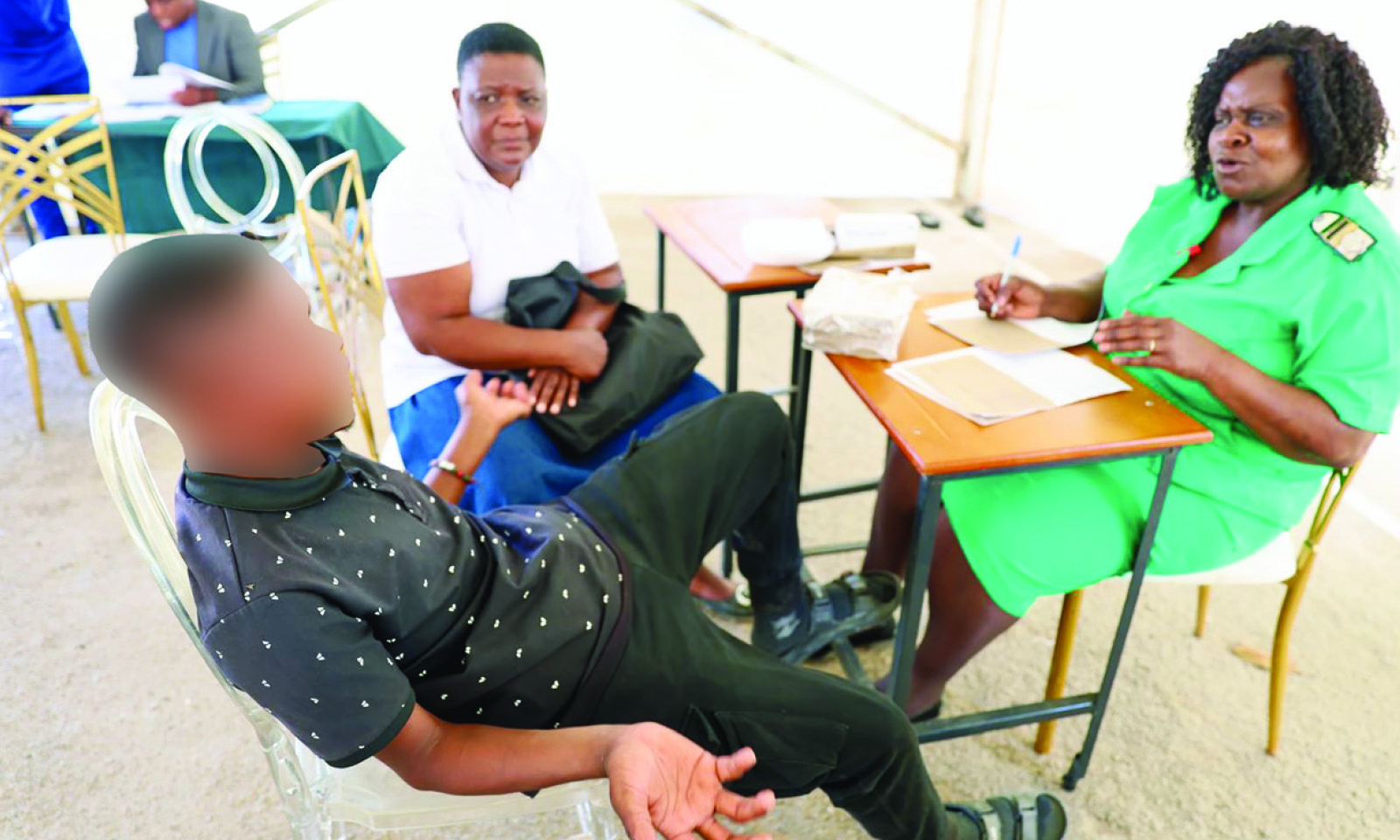
Mother Zimbabwe said as a parent herself, she shares pain and concern.
“Drug abuse has left deep scars on our children, but here at this centre, we will work together to confront and overcome the damage it has caused. I assure you that the support and treatment they receive here will help them rebuild their lives.
“Already, we have seen remarkable success. Many children who once came here broken have left fully rehabilitated, and today we are proud of their progress,” she said.
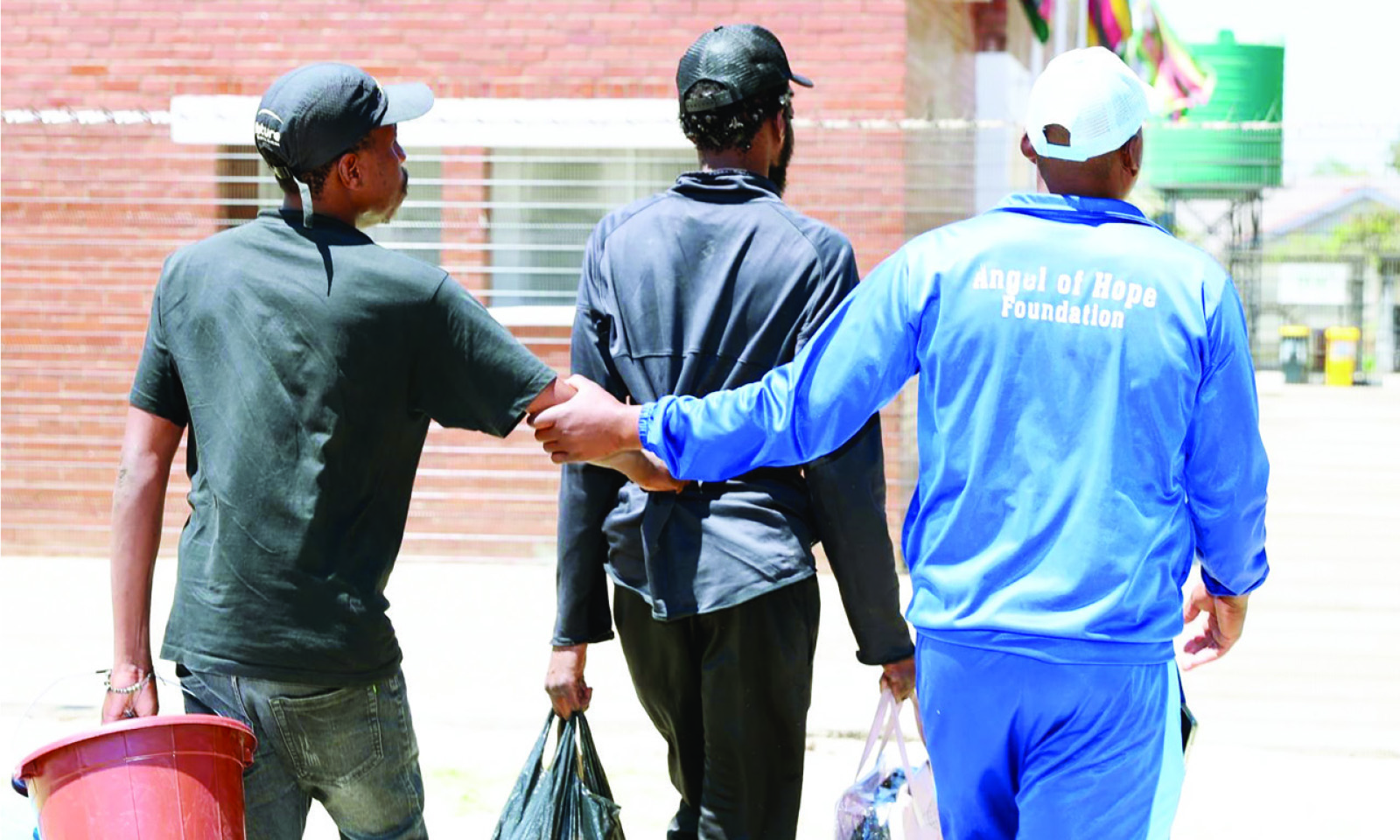
Dr Mnangagwa said within the first two weeks, when parents are given the opportunity to reunite with their loved ones, they will begin to notice positive changes while after a full month of care, they will see even greater transformation.
“When you bring your children for admission, our professional teams first carry out thorough assessments to ensure we enrol only those who require rehabilitation for drug and substance abuse, and not cases that need specialised mental health care.
“We are committed to doing everything possible to rehabilitate these young people so that they may be reintegrated into their families and society as responsible, well-rounded individuals,” she said.
Inside the centre, broken parents wept openly during the process some whispering prayers, others clinging to the hope that this might finally be the place where their children rediscover purpose.
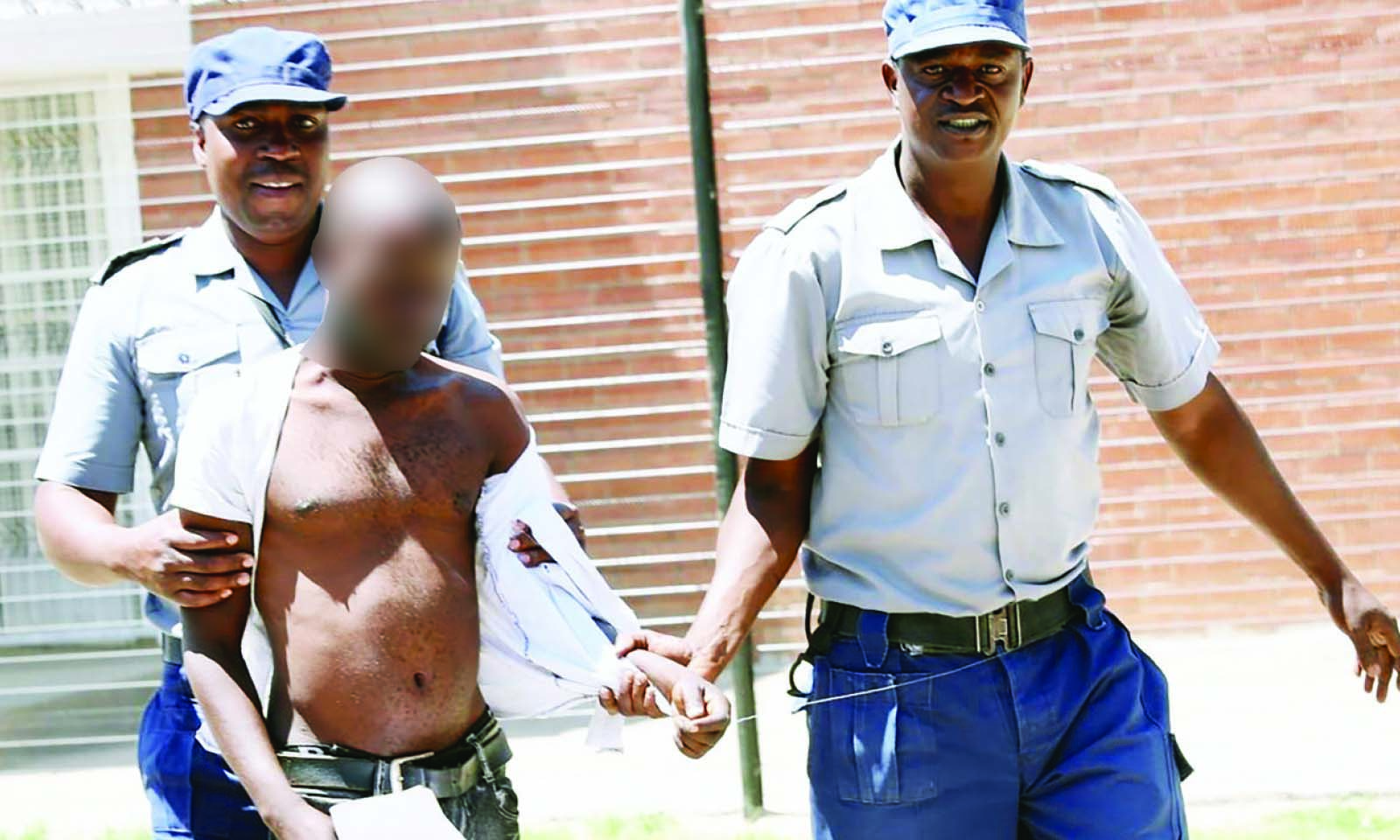
However, when their children and siblings were admitted into the centre, parents sang, danced, and waved in jubilation, thanking the First Lady for her life-transforming initiatives.
One mother drew attention as she danced and ululated, waving goodbye to her son in a gesture that symbolised an end to her anguish.
A 70-year-old grandfather, who brought his 14-year-old grandson that dropped out of school in Grade 6 due to drugs, recounted his painful journey, a story that began when the boy’s own father rejected him.
“I am the one caring for him after his father, who lives in Highfield, abandoned him at my home. He smokes mbanje and, when intoxicated, sells my household goods and groceries that I receive from my other children,” he said with visible sorrow.
“He often returns home at 6 am, claiming he was with friends recording music. What breaks my heart is that he can go for a week without bathing or changing his clothes. At my age, I thought I had seen it all, but this situation has been unbearable for me.”
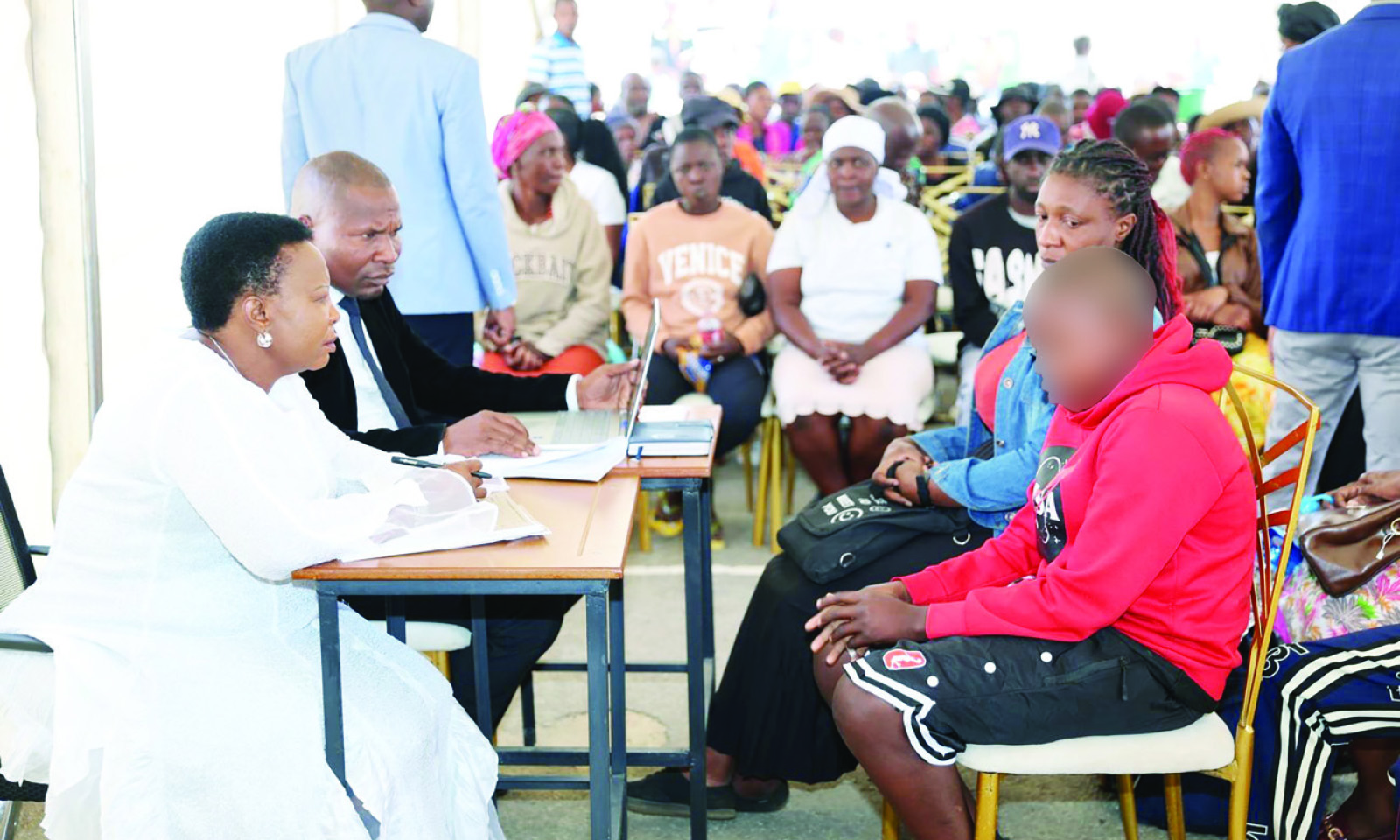
The grandfather added that his grandson was also influencing younger children in the neighbourhood to experiment with drugs, spreading the very habit that destroyed his own future. Another parent, a mother assaulted during the vetting process by her own son who grabbed her by the neck and slapped her, while trying to escape, described her home life as a nightmare.
“My son has been violent. I survive only by the grace of God. Each time he takes drugs, he becomes agitated and starts beating me,” she said.
“He has sold almost everything from our home blankets, food, even clothes I had worked so hard to bring from a neighbouring country. I returned to find everything gone, sold without my knowledge. I live in constant fear under my own roof.”
A grandmother, struggling to walk with crutches, spoke in a trembling voice about the torment her grandson had caused her.
“He breaks property and steals from the neighbours. I have lived a life of shame, with people knocking at my door daily, complaining that he has stolen from their homes. My prayer is that he receives full rehabilitation here.
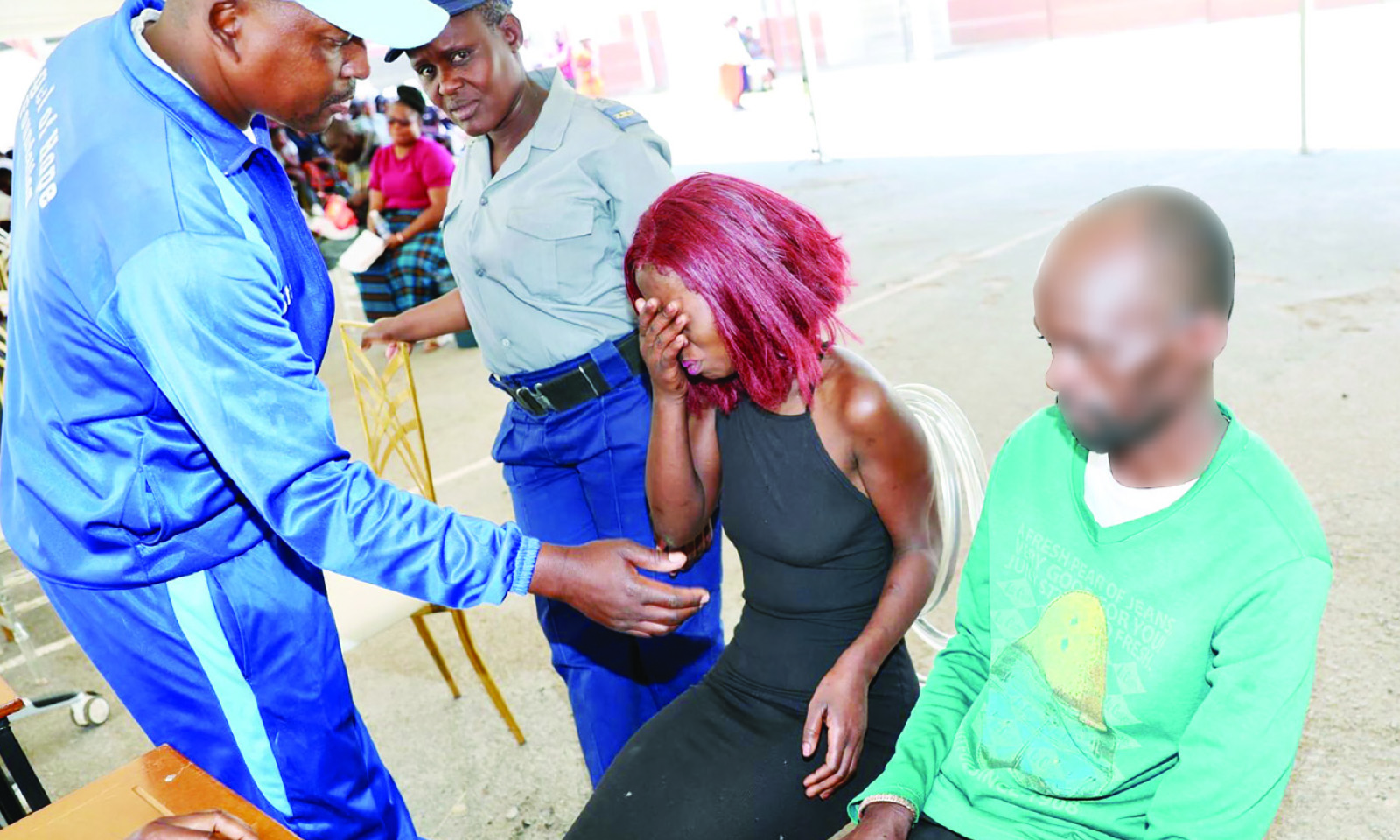
“What our First Lady has started is a blessing, and we thank her for this transformative centre,” she said.
Another father, who brought his son, a Form 3 school dropout addicted to mutoriro and mbanje shared how his household had been plunged into fear and despair.
“He bangs on my door at 3 am, and as a parent I open, not knowing what he might do if I don’t. Life has been unbearable. I had lost all hope in him,” he confessed.
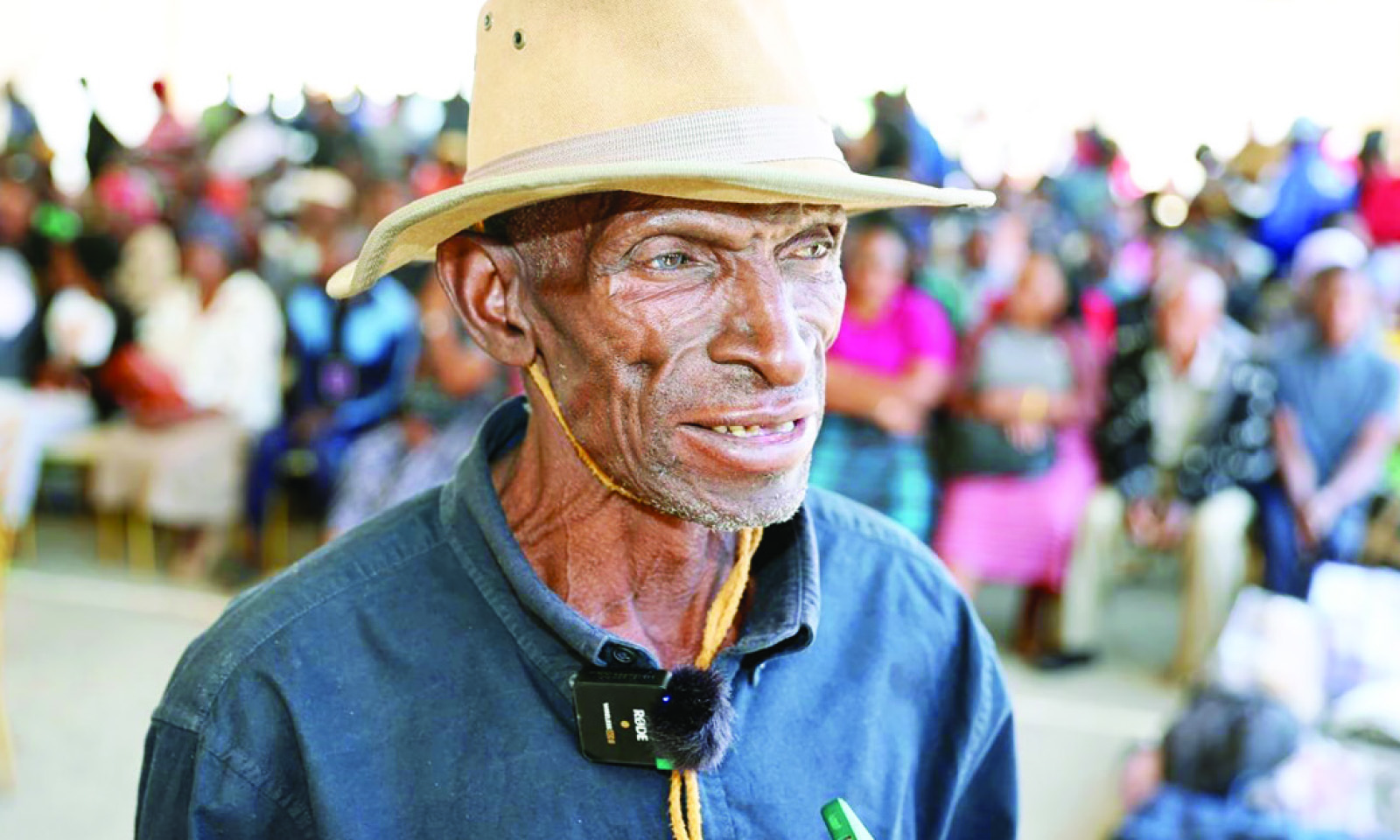
“But thanks to our First Lady for this initiative that is changing lives. We have seen with our own eyes how other children have been transformed here, and that gives us courage.”
Each success story to emerge from Angel of Hope carries its own invitation: recovery is real, and the journey leads not just away from drugs, but toward dignity and independence.
For the families now stepping inside its gates, hope is no longer distant. It is the choice they make today.