Online Reporter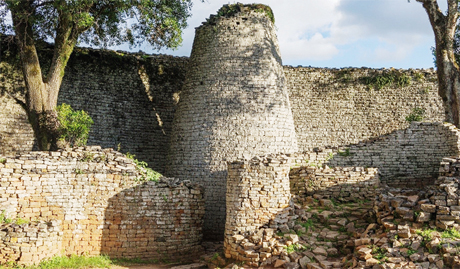
Lloyd Makonya
Correspondent
ON Monday, the global museum community will join hands in commemorating International Museum Day (IMD), an annual event coordinated by the International Council of Museums since 1977 to celebrate the transformative role museums play in society.
Over the decades, the commemorations have grown into one of the most important cultural events on the global calendar, creating a platform for communities to engage more closely with museums and appreciate the invaluable work they do in preserving humanity’s collective memory.
This year’s commemorations are being held under the theme: “Museums Uniting a Divided World,” a timely and thought-provoking call that speaks directly to the role museums can play in fostering peace, dialogue, cultural understanding and social cohesion in an increasingly polarised world.
Zimbabwe will join the rest of the world in marking the occasion, with the National Museums and Monuments of Zimbabwe leading national commemorations at the majestic Great Zimbabwe National Monument, one of Africa’s most iconic heritage sites and a powerful symbol of the country’s rich civilisation and cultural identity.
The national commemorations are expected to draw heritage stakeholders, educators, learners, cultural practitioners and members of the public from across the country in a celebration that underscores the importance of safeguarding Zimbabwe’s heritage for future generations.
A major highlight of this year’s commemorations will be the National Heritage Quiz Finals for primary schools, where 10 schools representing Zimbabwe’s 10 provinces will battle for the ultimate top prize.
The competition, which is organised by the National Museums and Monuments of Zimbabwe in collaboration with the Ministry of Primary and Secondary Education, has become a critical educational initiative aimed at strengthening heritage awareness among young learners, while instilling a sense of identity, patriotism and cultural pride.
Manicaland Province will be represented by John Cowie Primary School in what promises to be an intellectually exciting and culturally enriching contest.
The heritage quiz initiative strongly complements Zimbabwe’s Heritage-Based Curriculum, which seeks to anchor education on the country’s history, traditions, indigenous knowledge systems and cultural values.
Museums have increasingly become important educational partners in this process by providing learners with practical and experiential learning opportunities outside the classroom.
Through exhibitions, artefacts, historical collections and educational programmes, museums allow learners to interact directly with tangible aspects of their heritage, making history and culture come alive in ways textbooks alone cannot achieve. In many ways, museums have evolved into living classrooms where communities engage with the past to better understand the present and shape the future.
The importance of museums in contemporary society has become even more pronounced at a time when global conversations around decolonisation, repatriation and provenance are gaining momentum.
Across the world, former colonial powers are facing increasing pressure to return cultural artefacts and human remains taken from African communities during the colonial era.
These debates have challenged museums globally to rethink how collections were acquired, whose stories are being told and how indigenous communities can be given greater authority over their cultural heritage.
For Zimbabwe and many African nations, museums are no longer simply spaces for displaying artefacts. They are becoming active centres for cultural justice, identity restoration and community empowerment.
They are helping reclaim African narratives that were for decades distorted, marginalised or interpreted through colonial lenses.
The return of stolen cultural objects and the growing emphasis on ethical provenance research demonstrate how museums are increasingly embracing inclusivity, accountability and dialogue, ideals that resonate strongly with this year’s International Museum Day theme.In Zimbabwe, museums continue to play a critical role in preserving both tangible and intangible heritage.
From archaeological collections and liberation history to indigenous knowledge systems, traditional practices and oral histories, museums remain custodians of the nation’s collective memory.
Locally, the Mutare Museum will join the commemorations by showcasing various exhibitions that highlight the important work museums do in society. Members of the public will have an opportunity to engage with exhibitions focusing on culture, history, heritage preservation and education.
In line with the spirit of inclusivity promoted by International Museum Day, all museums under the National Museums and Monuments of Zimbabwe will offer free entry to the public on May 18, allowing more Zimbabweans to access and appreciate the country’s heritage institutions.As the world commemorates International Museum Day 2026, the message is becoming increasingly clear: museums are not silent storehouses of the past, but dynamic institutions that shape conversations about identity, justice, belonging and nationhood.
In a divided world searching for understanding and common ground, museums continue to stand as bridges connecting people, cultures and generations.