

 Online Reporter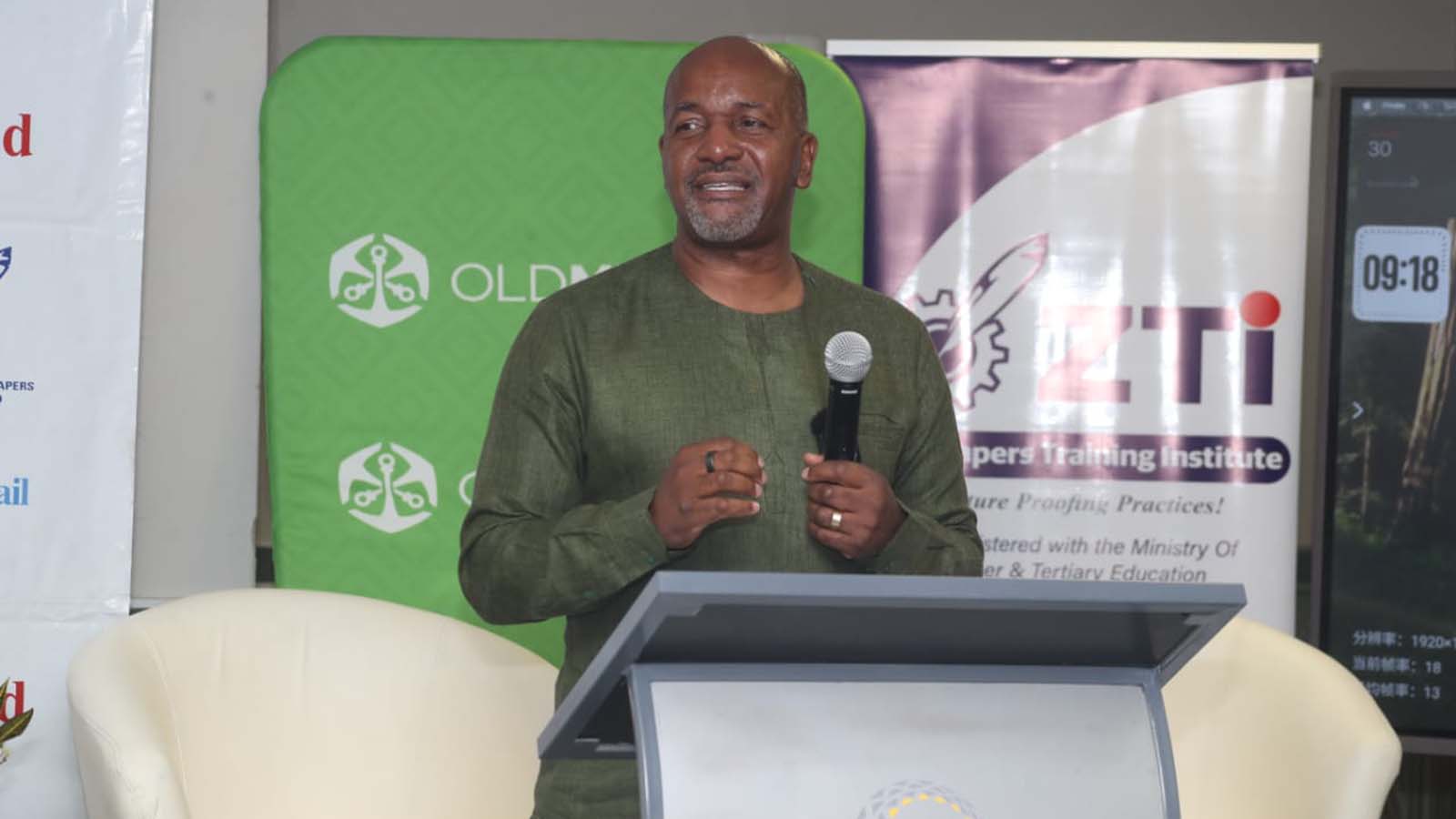
Nelson Gahadza
Entrepreneurs have been urged to shift from personality-driven enterprises to strong governance systems.
Speaking during a presentation at the Zimpapers public lecture that is currently underway in Harare, Mr Mutasa said governance must be the cornerstone of any serious enterprise, as it ensures continuity, accountability and long-term growth.
“Every serious person must move beyond personality and build systems,” he said. “If the founder disappears, the business must function to survive.”
Mr Mutasa emphasised that governance is not merely a compliance exercise but a strategic tool that gives organisations a voice through collective decision-making.
He noted that properly structured boards and management teams bring together incredible minds that help businesses focus and make sound decisions beyond the influence of a single individual.
Mr Mutasa also cited poor record-keeping and weak control systems as major impediments to business growth, particularly among small and medium-sized enterprises.
Without proper systems, he warned, it becomes impossible to measure performance or ensure sustainability.
“Every entrepreneur, no matter how small, must begin to decide on the core continuity of knowledge properly.”
Related Stories:
“Strong vision key to overcoming comparison culture in small businesses”
Sustainable growth lies in recognising SMEs and building around them: Shingi Mutasa
He stressed that critical business assets – including skills, relationships and processes – must be transferred from individuals into formal organisational structures.
This transition, he said, is what separates enduring institutions from fragile, personality-driven ventures.
“Skills, relationships and processes must move from the head of the individual into the structure of the organisation,” he said.
“These are the differences between creativity and lasting talent.”
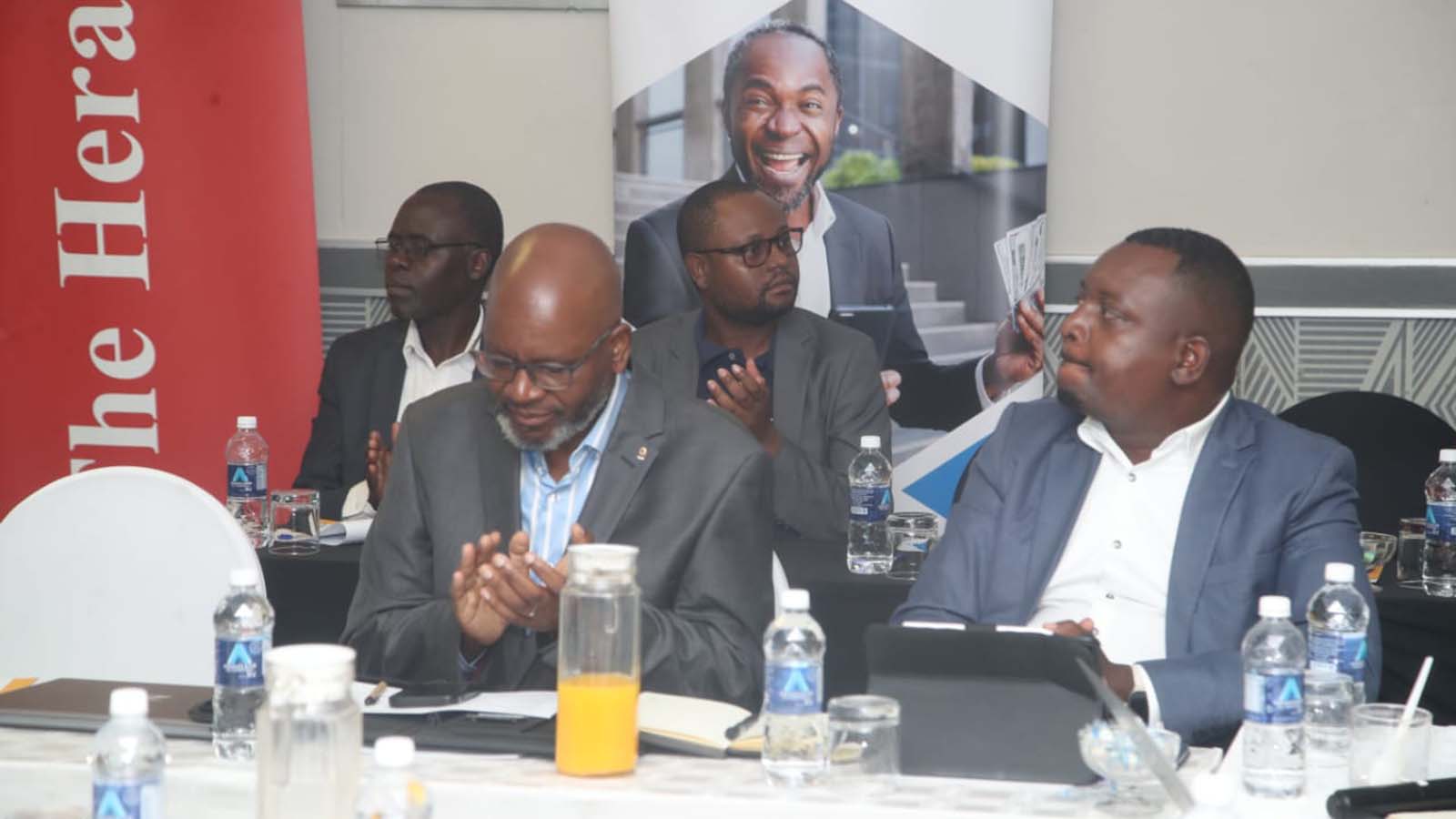
Mr Mutasa also highlighted the importance of aligning business governance with national development priorities, arguing that economic transformation cannot occur without close coordination between the private sector and political leadership.
“The reality is that this cannot be built without an extremely close alignment between business and the future of the country,” he said.
Mr Mutasa said Zimbabwe possesses the necessary resources to build strong institutions, including human capital and natural endowments, adding that effective governance frameworks and leadership discipline must support these.
“We have everything we need. Great people, incredible land and an amazing region. There is nothing that should prevent us from building institutions.”
Responding to questions during the session, Mr Mutasa reiterated that transferring intangible assets such as reputation and networks from founders to institutions requires deliberate structuring and governance discipline.
“It is the structure that governs great people, underscoring the need for founders to step back from operational roles to allow institutions to mature.”
Mr Mutasa also reflected on his entrepreneurial journey, noting that while early success in trading provided capital, his long-term ambition was to build enduring institutions rather than accumulate wealth.
“It became very clear that I wanted to achieve more than just money,” he said. “I wanted to create something.”
“The event was proudly sponsored by Old Mutual Zimbabwe, Minerva, and Zimnat.”



