Online Reporter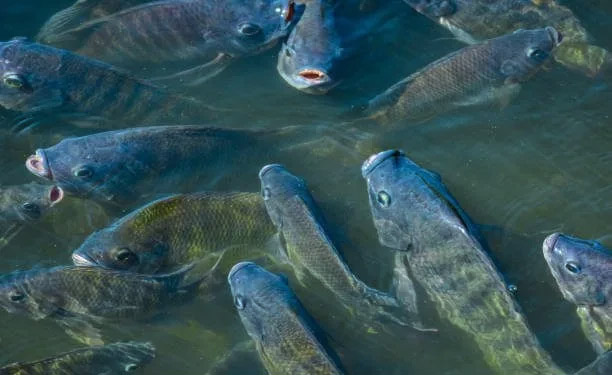
Lovemore Kadzura
Post Reporter
MUTASA District has taken centre stage in embracing fish farming, and is leading in the production of tilapia breams which is being spearheaded by smallholder farmers.
The province has over 2 000 active smallholder fish farmers producing around 400 tonnes annually, and there is still room for growth as the production is still mainly concentrated in Mutasa District.
The impressive fish farming in the province has necessitated the setting up of fingerling production unit in Mutasa where farmers are accessing high quality seed which will boost their production.
Deputy director in the Ministry of Lands, Agriculture, Fisheries, Water and Rural Development in charge of the Fisheries and Aquaculture Resources Production Department, Ms Lilian Nyashanu, revealed that fish pond farming in Manicaland is being dominated by women who constitutes 64 percent, and is expected to rise as more farmers are coming on board.
“Zimbabwe is harvesting about 31 000 tonnes of fish, against the national target of 60 000 tonnes. Out of the 31 000 tonnes we are harvesting, about 5 000 tonnes is coming from farmed tilapia fish.
“Manicaland is contributing around 400 metric tonnes, with 2 000 smallholder fish farmers.
“64 percent of these farmers are women.
“We have a lot of youths who are coming up, and there are a lot of projects that are targeting young farmers and women within the province.
“The fish farming industry has been facing a lot of challenges especially with fingerlings, feed production and issues to do with post-harvest loses. An intervention has been put in place including setting up a fingerlings hub in Mutasa District to ensure that there is good quality fish seed to be supplied to all our farmers in the province.
“Smallholder farmers are, however, losing 20 to 30 percent of their production due to post harvest loses as they lack proper refrigeration.
“Some farmers are also selling below market price as communities they live cannot meet actual prices to break even,” she said.
Mrs Cathrine Mbona, a smallholder farmer from Honde Valley, said fish farming has allowed them to diversify their farming activities.
She encouraged other women not to hesitate to venture into fish farming as it is a rewarding business.
“Our lives are being transformed for the better, and we do not regret taking up fish farming as a business. We farm fish in ponds we set up at our homesteads.
“In Mutasa, we used to rely on crops like maize, bananas, avocados and for small livestock we would do broilers. When the idea of fish farming was sold to us we did not hesitate to embrace it despite the steep cost associated with starting the project. We are not looking back.
“A farmer can start with a small pond and expand gradually,” she said