admin
admin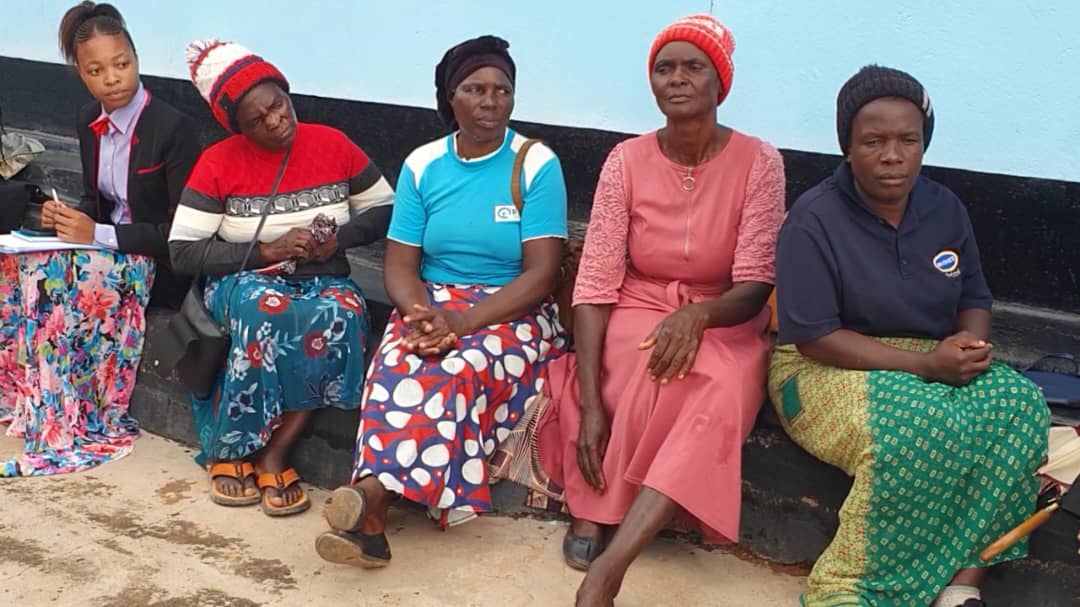
Ivan Zhakata in MUTASA District
An innovative collaboration between the Ministry of Public Service, Labour and Social Welfare, UNICEF and the Swedish government has made significant strides in addressing a longstanding challenge in marginalised communities, the lack of access to birth certificates for children.
For years, families in remote areas have faced numerous barriers in registering their children, leaving them without official identities and unable to access essential services such as healthcare and education.
However, with the dedication of community childcare workers (CCWs), this is beginning to change in Mutasa District.
Mr Leonard Gohwa, a CCW who has been instrumental in the programme said their work has had a transformative impact on their work.
“For many families, obtaining a birth certificate seemed like an impossible task,” he said.
“Through this initiative, we have been able to break down those barriers, ensuring that every child gets the recognition they deserve.”
The programme funded by the Swedish government and implemented with support from UNICEF has equipped CCWs with training and resources to assist families in navigating complex registration processes.
Mr Misheck Nyazika, another CCW said community engagement was crucial in their efforts.
“We work closely with families to explain why birth certificates matter,” he said.
“It is not just a piece of paper—it is a child’s passport to opportunities and protection.”
Mrs Winnie Nyatsanza, another community childcare worker, shared a touching moment from her work.
“I recently helped a grandmother who was struggling to register her orphaned grandchild,” she said.
“When she finally held the birth certificate, she wept with relief. It is moments like these that remind us why this work is so important.”
The initiative has already registered hundreds of children in Mutasa District, creating a ripple effect of positive change.
By addressing a fundamental issue like birth registration, the programme has paved the way for children to access vital services and participate fully in society.
The success of the initiative in Mutasa District is a testament to the power of grassroots efforts combined with institutional support.
It is a shining example of how marginalised communities when empowered with the right tools and partnerships, can overcome systemic challenges and build a brighter future for their children.


 Online Reporter