Chronicle Editor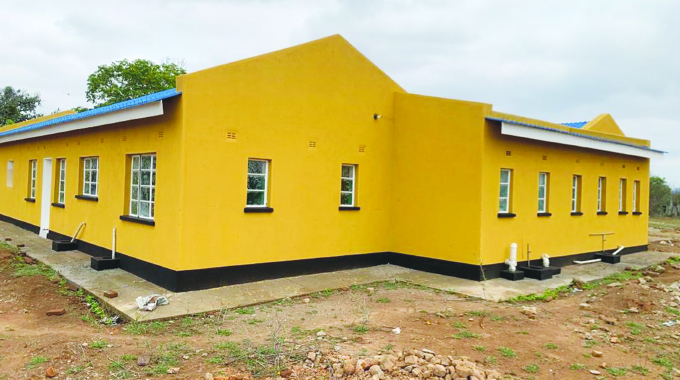
Vincent Gono in Mwenezi
COMMUNITIES in Mwenezi District in the sprawling Masvingo Province are basking in life-transforming projects made possible by the concept of devolution that was actualised at the inception of the Second Republic.
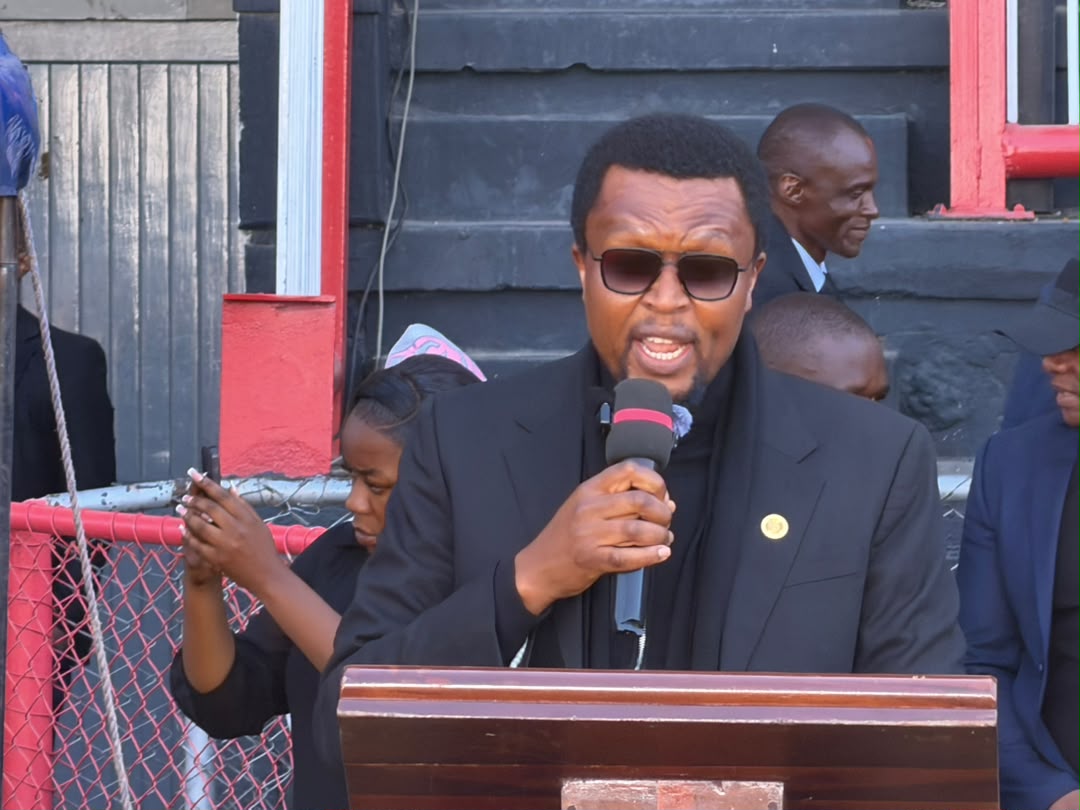
The rural district’s Chief Executive Officer, Mr Albert Chivanga said they were happy with the pace that the district had been moving with in terms of infrastructure development that speaks to the needs of the people.
He said development in all its facets had maintained baby steps in the district largely made up of resettlement areas.
Mr Chivanga added that it was only after the constitutional provision on devolution was implemented that there was a lot of movement that spoke to the district’s potential to uplift the lives of the people through projects that were responsive to the needs of communities.
“As you may know, 83 percent of the district is made up of resettlement areas. What it means is therefore that there was no infrastructure in those areas because they were farms. Now, the areas have been made into communal settlements and the need for basic service infrastructure becomes apparent. It cannot be emphasised,” said Mr Chivanga.
He said through devolution funds, they have been able to register significant progress as far as development is concerned.
Mr Chivanga said they have started constructing schools, clinics and roads from scratch, courtesy of the fiscal disbursements under the devolution programme.
He said the district was prioritising community-initiated health and education infrastructure development to cover the gaps that existed since the bigger part of the district had new settlements.
“Since the inception of the devolution programme, we have implemented an encouraging number of infrastructure projects some of which are already complete. Petronella Clinic in Ward Six is one of the projects that we are proud of.
It’s a state-of-the-art clinic. We also have other projects under devolution such as Muvuyu Primary School, Valley Primary School, Shangarumwe Primary School, Nyangambe Primary School and Mufula Secondary School. While some are already complete, we expect to complete those that are not yet complete in the shortest possible time,” he said.
Senator, Chief Chitanga said the communities were excited about the rate at which the district was developing, adding that the devolution concept seamlessly dovetails with the Second Republic’s inclusive development agenda, which seeks to leave no one and no place behind.
“We are seeing an encouraging transformation of lives in the entire district, thanks to the Government for availing devolution funds. What we are happy about is that the projects are decided by the people who know their priority needs and they are always willing and ready to partake in them.
“We now have clinics and schools in resettlement areas that used to have shaky structures for learners while patients including the elderly used to walk painful distances to access healthcare services because there were no clinics,” said Chief Chitanga.
He added that the district was moving in the tide of rural industrialisation that had seen the establishment of the Mafura/marula plant, an abattoir, an agro-processing plant and many more that were promoting a lot of economic opportunities for the communities.
The devolution concept is provided for in the Constitution but has not been implemented. It has however gained significant traction as a means to promote local empowerment and foster inclusive development with the Government disbursing funds to local authorities since 2019.
The concept has seen the transfer of power and resources from the Central Government to local authorities thereby allowing for greater decision-making autonomy. This shift has empowered local leaders to address community-specific challenges, resulting in more efficient service delivery and improved public participation.
Through increased access to funding and resources, local authorities have been able to prioritise the construction and maintenance of vital infrastructure such as roads, schools and healthcare facilities.
Improved road networks have enhanced connectivity, enabling better access to markets and essential services. Additionally, the construction of new schools and healthcare centres has brought education and healthcare closer to the local communities, positively impacting the lives of the people.


 Online Reporter