

 Online Reporter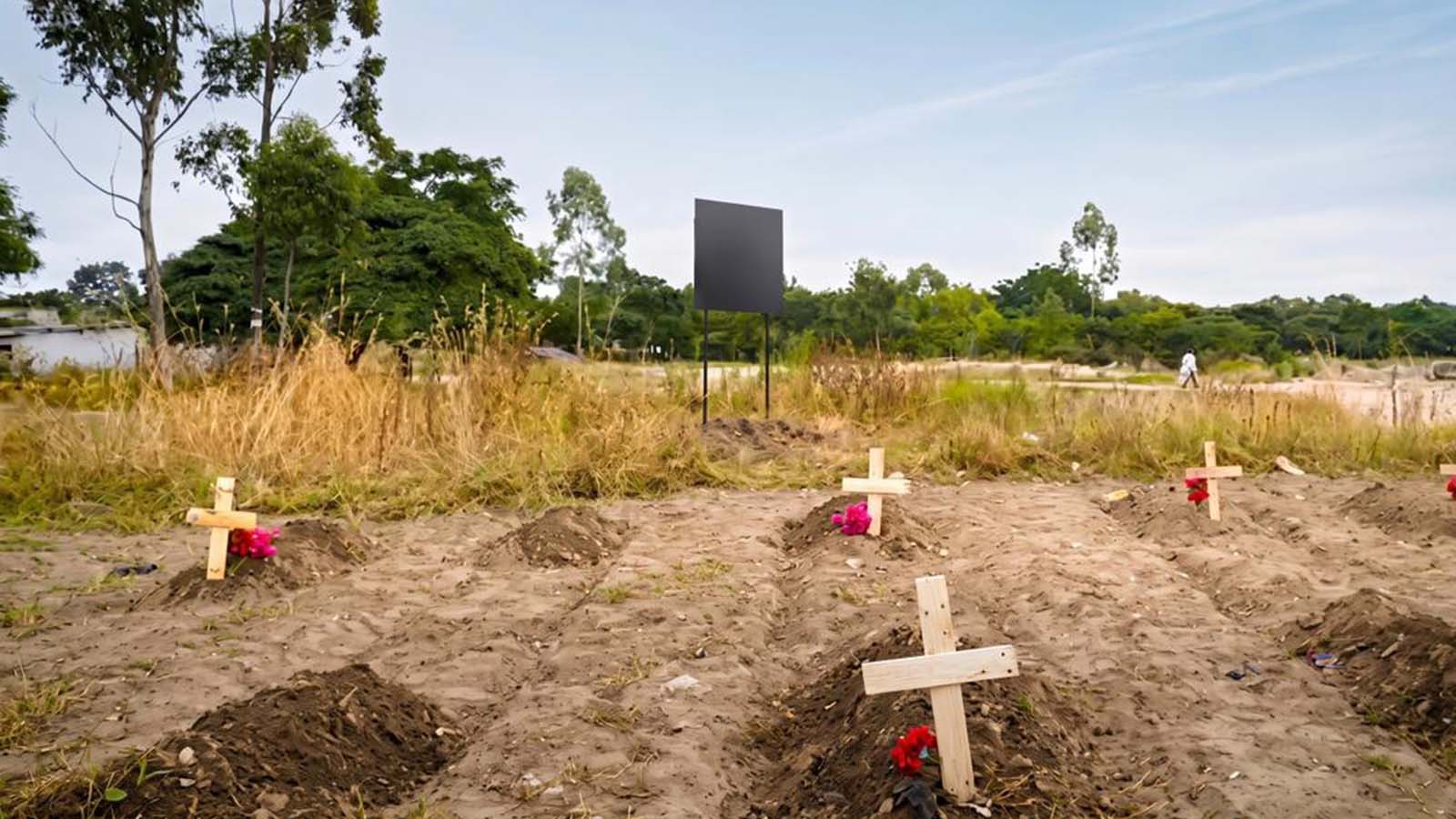
Muchaneta Chimuka
Rows of graves that appeared overnight in Epworth, sparking widespread curiosity, public speculation, and viral social media debate, have been revealed to be a deliberate national intervention to shine the spotlight on unsafe abortion.
The graves are part of “In the Shadows of Epworth,” a hard-hitting investigative documentary seeking to expose the hidden human cost of unsafe abortion and to evoke urgent national dialogue grounded in public health, human rights, and lived realities.
The graves, which are meant to be both a visual provocation and a call to conscience, represent the silence over the preventable loss of women’s lives occurring across the country.
Health advocates estimate that thousands of women and girls are affected annually by unsafe procedures, many resulting in severe complications or death, which are preventable if done through timely access to safe, legal, and dignified care.
While the graves initially triggered confusion and speculation, campaign organisers have confirmed that it was designed to disrupt public complacency and draw attention to what they describe as a “buried challenge”.
The documentary’s producers emphasise that the intervention is rooted in a public health approach, drawing attention to the consequences of silence, stigma, and systemic inaction.
“This campaign is not about provocation at all—it is about confronting a reality that has been hidden in plain sight,” said Unique Zimuto, creator of the documentary.
He said, every grave represents a life that could have been saved, and he urged communities to move from silence to informed, evidence-based conversation to prevent losses.
Health professionals and advocates said unsafe abortion is not an isolated issue but one deeply linked to broader systemic challenges, including limited access to healthcare, legal ambiguities, socio-economic inequality, and persistent stigma.
“What we are witnessing is not just a social issue—it is a public health emergency,” said Mrs Rumbidzai Zimudzi, a local midwife.
“The situation calls for policymakers to look deeply into the issue and the consequences are predictable and devastating. Addressing this crisis requires courage, compassion, and policy grounded in reality.”
The documentary will premiere digitally on Facebook and YouTube, ensuring broad public access.
This will be followed by a curated in-person screening and dialogue session bringing together policymakers, healthcare professionals, civil society organisations, and community leaders to foster evidence-based engagement and policy reflection.
Organisers urged the public, media, and decision-makers to shift the narrative from stigma to solutions, emphasising that meaningful change requires open dialogue, accurate information, and a commitment to safeguarding the health and rights of women and girls.



