Online Reporter
Zimbabwe has made significant strides in the fight against HIV/AIDS, achieving the UNAIDS 95-95-95 targets and aiming to end the epidemic as a public health threat by 2030.
The Council is meeting editors and station managers from across the country in Chinhoyi to update them on the response to HIV and related conditions.
This workshop is particularly important as it comes after the United States has pulled out from funding some HIV programmes in the country, and the Government of Zimbabwe has stepped in to plug all the gaps.
Our crew is in Chinhoyi and will be giving us updates over the next two days.
HIV prevalence and incidence decrease, a win for Zimbabwe
Giving an epidemic update, Mr Lameck Munangaidzwa who was representing the NAC monitoring and evaluation director Mr Amon Mpofu said HIV prevalence in Zimbabwe has been decreasing, with the adult prevalence rate decreasing from a peak of around 26.5 percent in 1997 to 11 percent in 2021, and further to 10.49% in 2023.
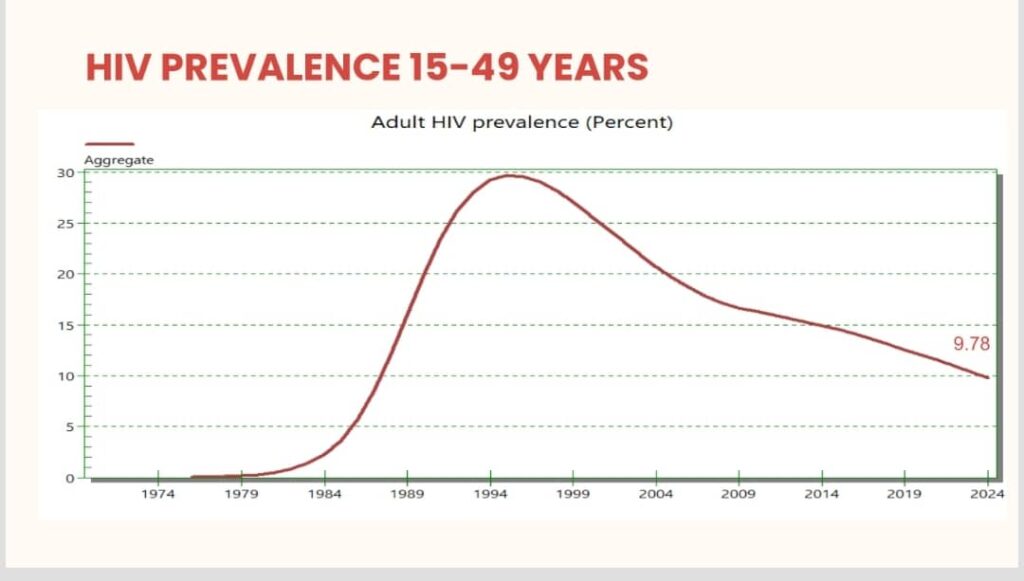
Currently it stands at 9.78 percent and approximately 1.3 million people are living with HIV.
Mr Munangaidzwa said this shows that Zimbabwe’s focused prevention programmes, which include increased condom usage, delaying first sexual intercourse, and having fewer sexual partners, have been very successful, with infections falling by 78 percent between 2010 and 2022.
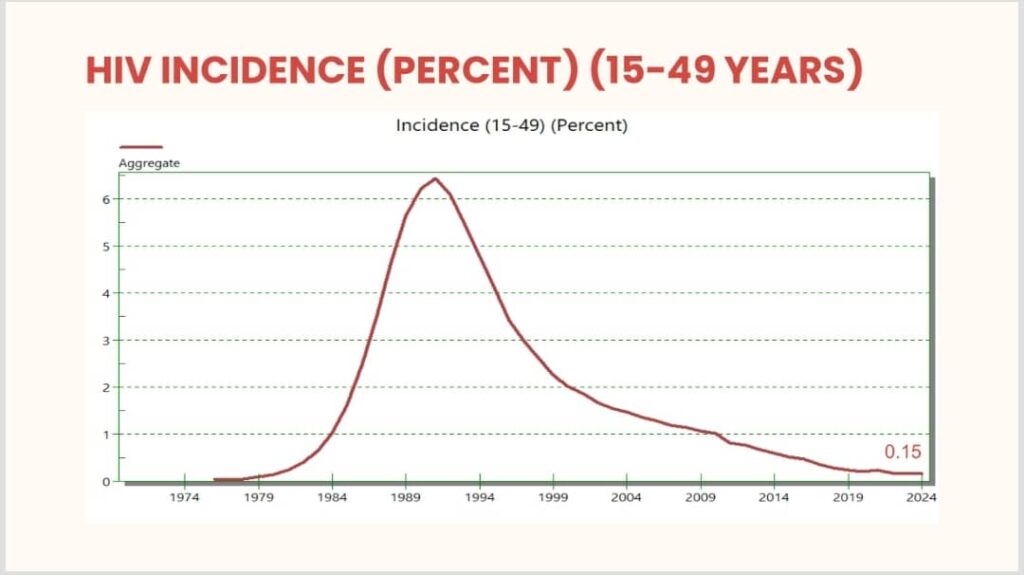
On the other hand, the HIV incidence rate has also decreased by over 50 percent over the past ten years, with the current rate standing at 0.15.
In 2022, the incidence was at 0.17 percent, and there was a decline in new HIV infections for all age groups.
HIV prevalence refers to the percentage of people in a population who are currently infected with HIV. It is a key indicator for monitoring the course of the HIV epidemic and the impact of interventions.
HIV incidence refers to the number of new HIV infections occurring within a specific population over a defined period (usually a year). It is a key indicator for monitoring the spread of HIV and the effectiveness of prevention and treatment programmes.
HIV situation at a glance
• Estimated number of people living with HIV 1.3 million (93% are adults)
• Prevalence (15-49years) 9.78
• Incidence (15-49years) 0.15
• New infections 15 366
• Mortality per 100000 137
• AIDS related deaths 16 719
• Mother to child transmission rate 8.7
• Progress towards
– 90% of people living with HIV should know their status
– 90% of people living with HIV who know their status must be on treatment
– 90% of people living with HIV who are on treatment should have viral load suppression
status
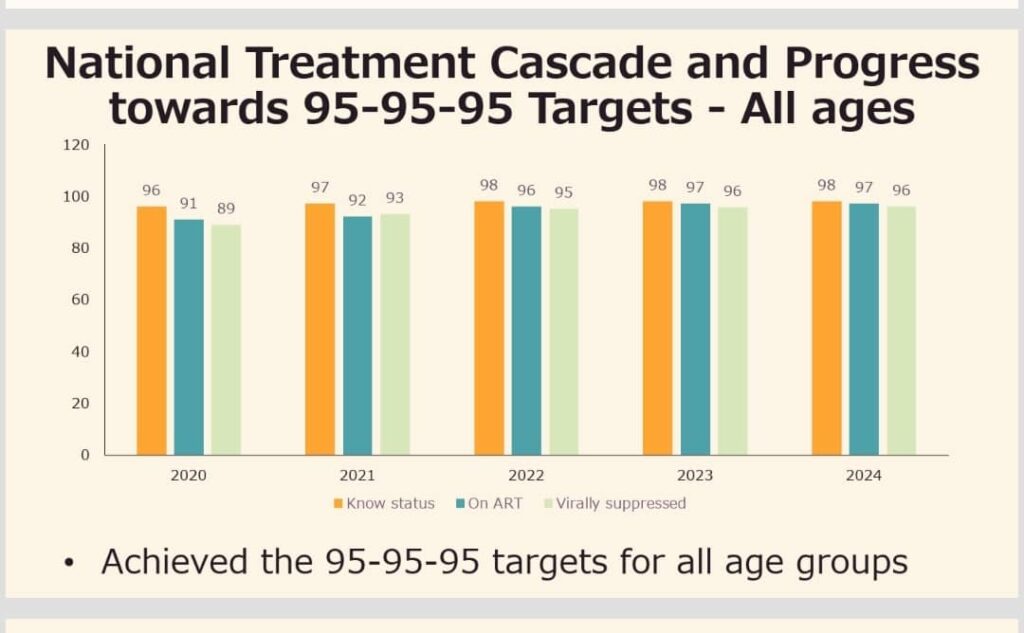
– 98% of people living with HIV now know their status
– 97% of people living with HIV who know their status now on treatment
– 96% of people living with HIV who are on treatment have viral load suppression
Source: NAC
‘Scale up cervical cancer screening’
Cervical cancer is a major health concern in Zimbabwe, ranking as the most common cancer among women and the leading cause of cancer-related deaths, Dr Lindelwe Ncube has said.
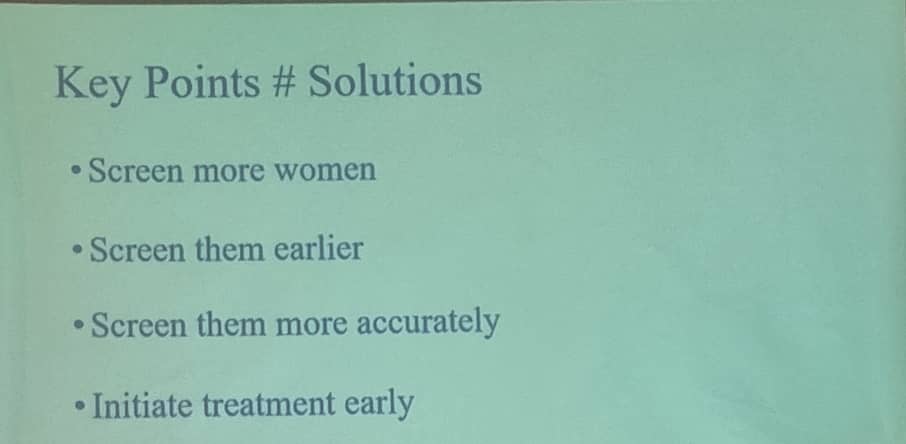
Addressing editors and station managers at the workshop this morning, Dr Ncube called for more screening of women so that those diagnosed with the disease can be initiated on treatment early.
According to the National Cancer Registry, cancer of the cervix is the most common type of cancer in Zimbabwe, accounting for 22 percent of the total number of cancer cases in 2019.
It accounted for 40,8 percent of all cases reported among black women in the country.
Zimbabwe is ranked fourth among the countries heavily burdened with cervical cancer globally, with an estimated 2 000 new cases diagnosed each year.
According to statistics, more than 70 percent of all women diagnosed with cervical cancer do not survive the disease, which is the leading cause of mortality among women.
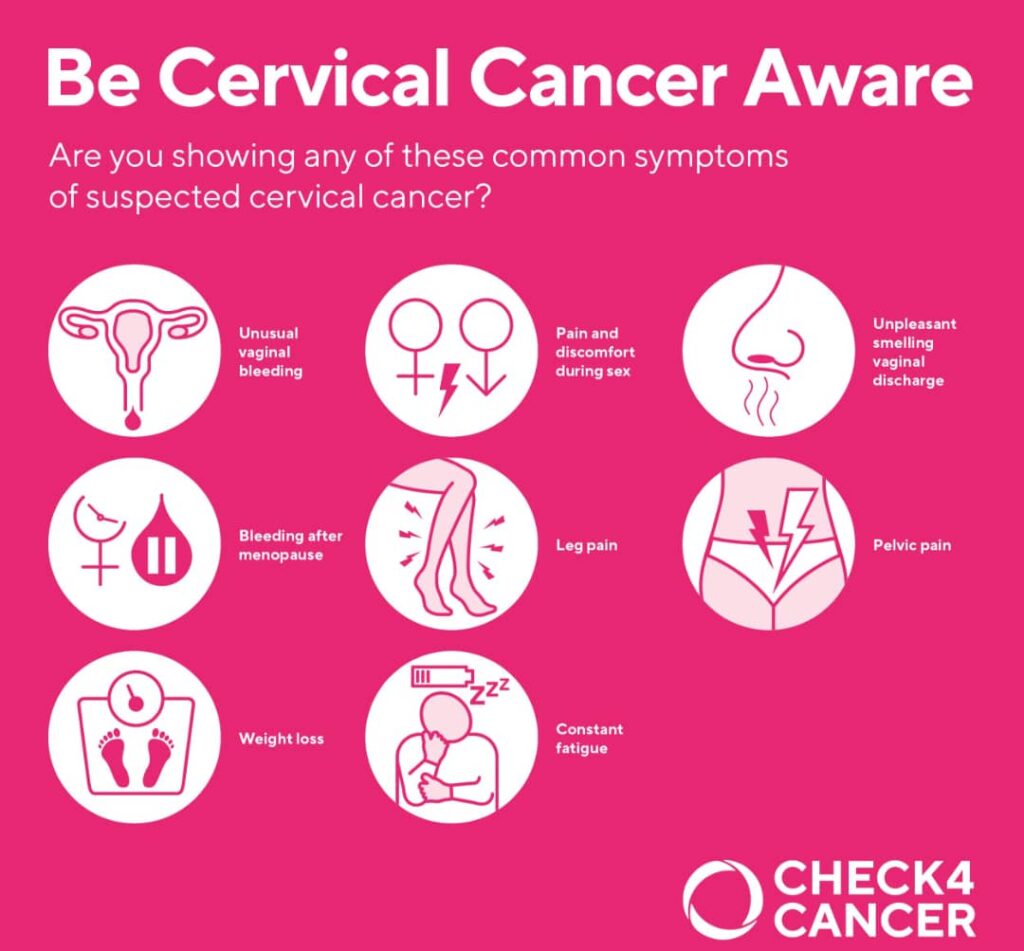
Dr Ncube said most women with the disease have no signs or symptoms until it gets to an advanced stage, which is why screening is crucial.
However, cervical cancer is the most preventable and treatable cancer through early detection and vaccination.
In Zimbabwe, the vaccine roll-out began in 2018, targeting young girls aged 10 to 14.
‘HIV remains a public health priority’
Zimbabwe has recorded significant milestones in the fight against HIV, but more efforts are required to end the HIV/AIDS epidemic as a public health threat by 2030, NAC acting chief executive officer Mr Raymond Yekeye has said.

Experts define a public health threat as a situation that poses a significant risk to the health and well-being of a population, potentially leading to widespread illness, injury, or death.
In his opening remarks at the workshop, Mr Yekeye said despite significant progress made in reducing new infections and expanding treatment, HIV remains a public health priority that continues to demand concerted efforts to tackle it.
“We cannot afford complacency. Your voices (media) can help keep HIV high on the national agenda as you advocate for resource mobilisation and hold stakeholders accountable.
“As gatekeepers of information, your commitment to accurate, responsible, and impactful reporting is indispensable.
“This workshop has been designed to provide you with the latest information on the HIV and AIDS landscape in Zimbabwe, including the impact of the recent funding cuts by the United States government,” said Mr Yekeye.
Stigma and discrimination, barriers to care
National manager for mental health services in the Ministry of Health and Child Care, Mr Fabian Chimusoro said the media plays a crucial role in eliminating stigma and discrimination around HIV/AIDS and related diseases.

Speaking at the workshop, Mr Chimusoro said, “The media shapes public attitude and therefore your narration about events should be accurate and sensitive to that.”
He said it is crucial to eliminate stigma, prejudice and discrimination, as these are barriers to care.
“Stigma significantly hinders access to and engagement with healthcare, impacting individuals’ well-being and outcomes by fostering shame, reducing self-esteem, and discouraging help-seeking behaviours,” he said.
As a result, individuals may fear judgment or negative reactions from family, friends, or the community, leading them to avoid seeking help or disclosing their conditions, which might negatively impact the HIV response.
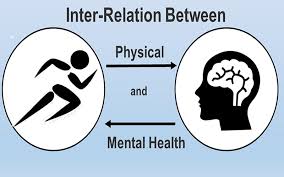
Mr Chimusoro said mental health is interwoven with physical health, with mental problems manifesting physically and vice versa.
This brings to the fore the importance of holistic care.
Ministry of Health ensures access to ART despite US funding cessation
Following the withdrawal of the United States health sector funding, the Zimbabwean Government is taking steps to mobilise local resources to finance the country’s healthcare system, Permanent Secretary in the Ministry of Health and Child Care, Dr Aspect Maunganidze has said.
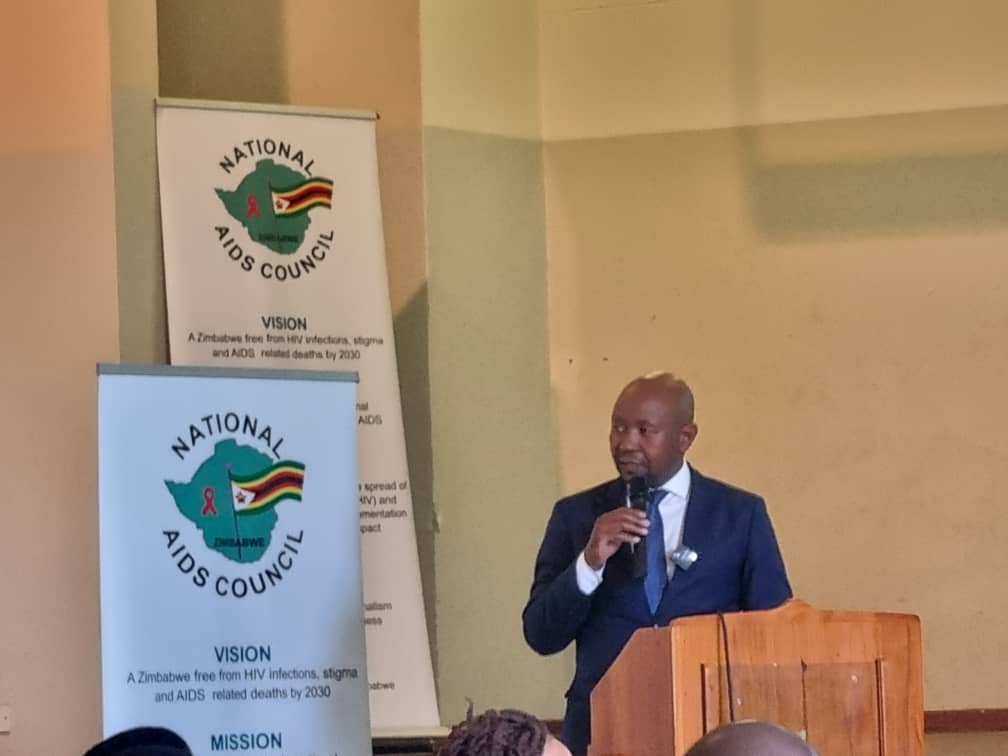
Speaking as he officially opened the editors’ workshop in Chinhoyi this afternoon, Dr Maunganidze said Africa has enough resources to fund its healthcare system.
“This awakening for Africa was necessary; we cannot rely on partners forever. Africa has the resources and can fund health.
“As a ministry, we are taking steps to ensure that the people of Zimbabwe are not affected by the cessation of the US funding. Those on ART are still accessing them and will continue to do so. Taking breaks might lead to resistance to medication,” he said.
Dr Maunganidze said they have taken the following steps:
Motivation for increased budget allocation in line with the Abuja Declaration, which states that 15 percent of the National Budget should go to health.
Redistribution of medical staff to ensure that all areas that were covered by partners are covered.

The Ministry of Health and Child Care, through the National Aids Council, is also administering the National AIDS Trust Fund, which has been funding the national HIV response over the years.
A Chinhoyi woman chronicles her family’s advanced HIV journey
What is Advanced HIV disease?
Advanced HIV disease is defined by a CD4 cell count below 200 cells/mm3 or meeting the criteria for World Health Organization (WHO) stage 3 or 4 disease, and poses a significant challenge to global health, leading to increased mortality and morbidity.
Speaking at the NAC workshop, Dr Tichaona Myamundaya stressed the importance of HIV screening to stop the disease from advancing.
In sub-Saharan Africa, more than a third of all people living with HIV initiating ART have Advanced HIV disease, and approximately 10 percent die within the first three months.
Men are 1.6 times more likely to present with Advanced HIV disease than women, most likely due to poor health-seeking behaviour.
Zimbabwe achieves 95-95-95 targets way in advance
Dr Owen Mugurungi, Director of the AIDS and TB Unit in the Ministry of Health and Child Care, has said Zimbabwe is one of the countries in the region that has managed to reach the 95-95-95 targets, which has brought epidemic control.
The targets, a UNAIDS initiative, aim to end the AIDS epidemic by 2030 by ensuring that by 2025, 95 percent of people living with HIV know their status, 95 percent of those diagnosed receive treatment, and 95 percent of those on treatment achieve viral suppression.
In Zimbabwe, 98 percent of people living with HIV know their status, 97 percent are on antiretroviral therapy (ART), while 96 percent have achieved viral suppression.
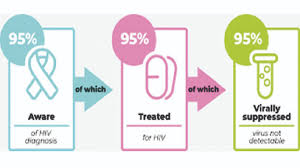
However, challenges remain in ensuring children receive equal care, with only 61 percent knowing their status, with 100 percent of those knowing their status on ART and 90 percent achieving viral suppression.
“We believe that globally we will reach a stage where we will be able to control the spread of HIV by 2030,” said Dr Mugurungi.
“Once the viral load is suppressed, one can no longer transmit HIV to their partners, or if it’s a pregnant woman, to their unborn baby.”
Dr Mugurungi said to promote the prevention of sexual transmission of HIV, the ministry is spearheading the following:
STI prevention and care
Condom promotion and behaviour change communication
Post exposure prophylaxis and management of rape
Pre-exposure prophylaxis (PreP)