Online Reporter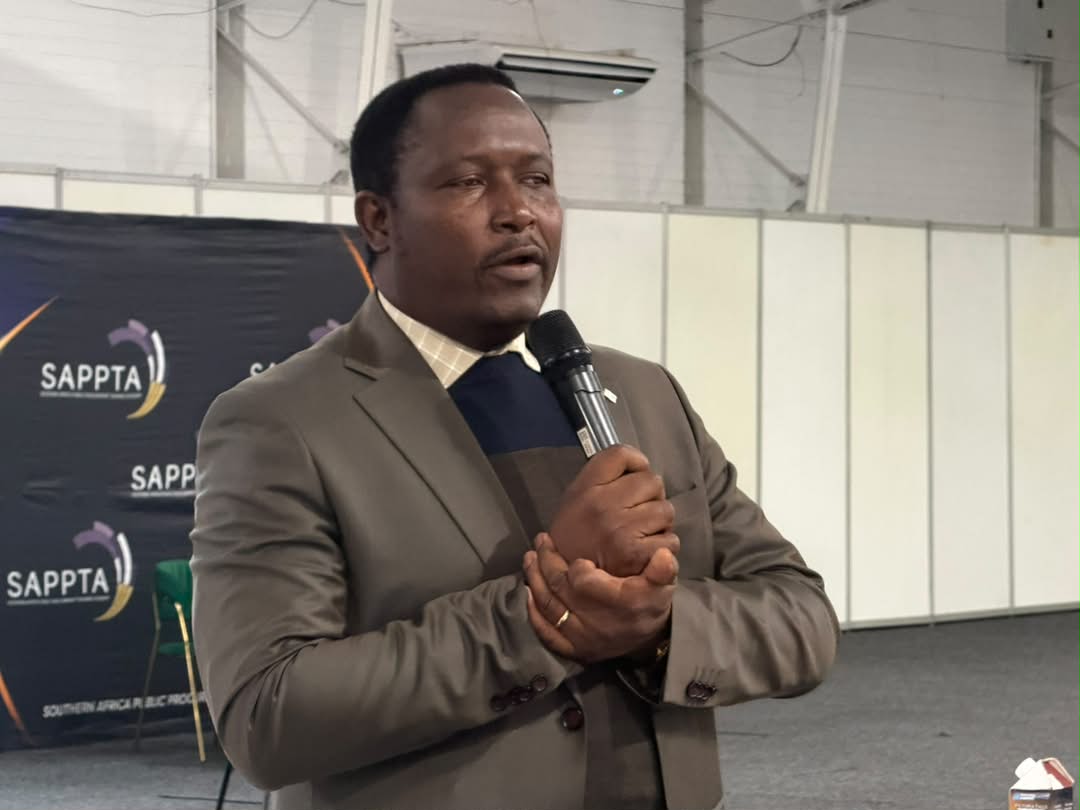
Nqobile Bhebhe Zimpapers Business Hub
THE Procurement Regulatory Authority of Zimbabwe (PRAZ) has clarified that the National Standard Price List (NSPL) is not a price control mechanism but a flexible guide designed to improve transparency, consistency and value for money in public procurement.
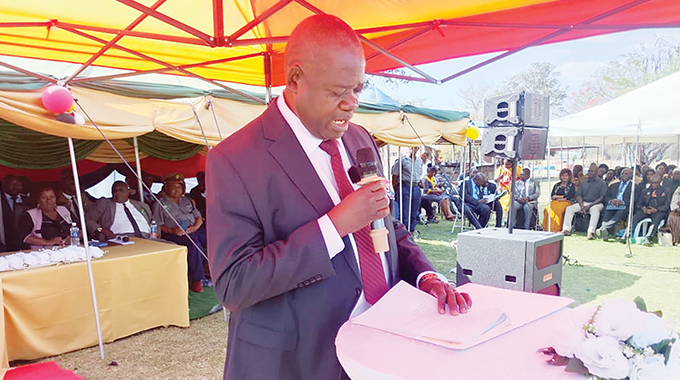
Speaking at the Fifth Annual Public Procurement Symposium in Bulawayo yesterday, PRAZ chief executive officer Dr Clever Ruswa said the standardisation tool is intended to strengthen procurement planning and decision-making rather than dictate prices.
Addressing delegates drawn from Government, local authorities, development partners, academia and the private sector, Dr Ruswa said there was a push back from some sections of the procurement value chain.
“There was a push back on the price list, some sections were saying it is impeding us from achieving certain goals. But this is not a price control, it is a guide,” said Dr Ruswa.
“We will examine and strengthen standardisation tools, especially the National Standard Price List and relevant classification systems. Standardisation is how we achieve consistency, cost control, transparency, and better procurement planning. It also supports data comparability and informed decision-making,” he added.
Dr Ruswa stressed that the price list should be viewed as a guide document that assists procuring entities in assessing the reasonableness of prices and improving accountability in public spending.
Earlier this year, PRAZ introduced the National Standard Price List in collaboration with the Zimbabwe National Statistics Agency (ZimStat) and the National Competitiveness Commission (NCC).
The framework was developed to provide clear and uniform pricing guidelines across the public sector and is now being used as a benchmark during procurement planning, bid evaluation and contract award stages.
The intervention followed Treasury concerns over persistent overcharging and inflated pricing in public procurement contracts, which have contributed to significant fiscal leakages over the years.
Dr Ruswa said PRAZ would continue to place strong emphasis on transparency and integrity across the procurement system.
“We will strengthen transparency, accountability, and integrity in procurement. We will confront transparency and integrity concerns directly because integrity is the foundation of public trust,” he said.
“Oversight and audit mechanisms must be effective, and procurement processes must be open, fair, and credible.
“We will also continue to address fraud and corruption risks with practical safeguards, not assumptions.”
Digital transformation remains central to procurement reforms and data-driven decision-making.
“Procurement modernisation is no longer optional. E-procurement through the eGP system, digital documentation, Artificial Intelligence inclusion, and data analytics improve efficiency, traceability, and transparency, while reducing opportunities for malpractice,” said Dr Ruswa.
He emphasized the need for strengthening the role of public procurement as a strategic tool for inclusion, transparency, efficiency, and sustainable economic transformation in Zimbabwe.
“That means we must move from compliance language to outcome language. Procuring Entities and bidders must understand that procurement success is measured not by activity, but by impact,” said Dr Ruswa.
“We will promote inclusive procurement practices that broaden participation of SMEs, women, war veterans, and youth. Inclusion is not a slogan; it is a system feature.
“We must identify and remove barriers that limit participation, including information gaps, capacity constraints, procedural bottlenecks, and inconsistent application of standards.
“PRAZ will not only encourage inclusion, but we will also continue to strengthen enforcement and guidance, so inclusion becomes real. We will explore how procurement can deliver social and developmental outcomes.
“Public procurement must contribute directly to improved health, education, and WASH service delivery, including equitable access for vulnerable communities,” he said.
“Particularly, we will examine how child-sensitive approaches can be incorporated into procurement processes in line with development partner priorities and national needs. We will enhance understanding and application of sustainable and green procurement practices.”
Dr Ruswa said sustainability must be integrated into planning and sourcing decisions, through lifecycle costing, sustainable procurement principles, and attention to environmental and climate-related risks.
He said the theme: ‘Public Procurement as a Strategic Catalyst: Driving Inclusion and Sustainable Economic Transformation,’ is not rhetoric.
“It’s a directive. It tells us that procurement is not merely administrative processing, it is a national development instrument, which feeds into the national vision guided by the National Development Strategy 2.
“When procurement is well governed, it builds jobs, strengthens industries, expands access to opportunities, improves service delivery, and protects public resources,” he said.