Online Reporter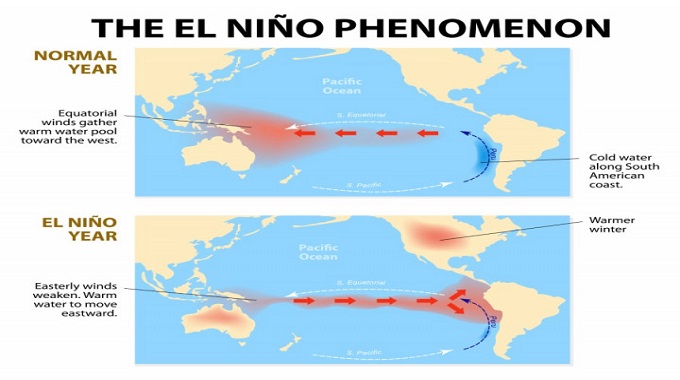
Norah Mangezi
THE Fall Armyworm (Spodoptera frugiperda) is a highly destructive insect pest native to the tropical and subtropical regions of the Americas. In Zimbabwe, it was first officially detected in
September 2016 (believed to have entered through imported produce or flights via Matabeleland), and has since spread to all 10 Provinces of the country. Fall armyworm is a generalist feeder that eats over 80 different plant species. While maize is its preferred host, it also aggressively attacks sorghum, millet, wheat, sugarcane, rice, soybeans, and various vegetable crops. Because maize is
Zimbabwe’s primary strategic food crop and staple, the presence of Fall armyworm directly threatens national food security and livelihoods.
The agricultural sector increasingly faces a compounding crisis: the persistent threat of climate-induced El Niño weather patterns alongside the presence of the destructive Fall armyworm.
Historically, El Niño brings severe droughts and elevated temperatures to Southern Africa. While it might seem that drought would suppress insect populations, hot and dry El Niño conditions actually accelerate the breeding cycles, geographic coverage, and survival rates of this voracious caterpillar.
The El Niño Factor: Why Fall armyworm Becomes More Dangerous
El Niño fundamentally alters the dynamics of Fall armyworm management in Zimbabwe:
Accelerated Lifecycle: Higher temperatures shrink the incubation period of Fall armyworm eggs and speed up larval development. Moths reproduce faster, leading to overlapping generations and sudden population spikes.
Reduced Natural Controls: Heavy rainfall naturally washes young larvae out of crop whorls (funnels), causing them to drown. The prolonged dry spells characteristic of El Niño removes this natural mortality factor.
Compounded Plant Stress: Stressed crops have lower natural vigor, making them highly susceptible to pest damage. Moisture-stressed maize, sorghum, or millet plants have diminished capacity to tolerate leaf and whorl damage, compounding the economic loss per hectare.
Integrated Pest Management (IPM) Strategies for El Niño
To safeguard harvests without incurring prohibitive costs or harming the environment, Zimbabwean farmers must adopt a strict Integrated Pest Management (IPM) framework:
A. Cultural Practices and Climate-Smart Agriculture
Pfumvudza/Intwasa Implementation: Leveraging Zimbabwe’s conservation agriculture model helps retain critical soil moisture through mulching. Healthy, well-nourished plants can better withstand minor pest damage.
Early Planting with First Rains: Plant short-maturity, tolerant crop varieties with the very first rains so that crops outgrow peak pest pressure. Planting early allows crops to mature past their most vulnerable vegetative stages before regional Fall armyworm populations peak later in the season.
Intercropping & Push-Pull Systems: Intercropping maize with non-host legumes (such as cowpeas, groundnuts, or velvet beans) acts as a deterrent to egg-laying moths and introduces natural predators into the ecosystem.
Field sanitation: Clear out weedy grasses and crop debris that serve as alternative breeding grounds for adult Fall armyworm.
B. Early Warning and Scouting
Pheromone Trapping: Farmers and extension services should rely heavily on the pheromone trap networks deployed by the Ministry of Agriculture, Mechanisation and Water Resources Development to detect early moth influxes.
Constant Scouting: Regular, weekly field walking is vital. Scouting should focus on identifying egg masses and early “window pane” feeding signs on leaves when larvae are small and easiest to eliminate.
Extension alerts: Utilize local agricultural extension services and radio broadcasts for timely community forecasts.
C. Mechanical Controls
Physical Destruction: For smallholder plots, manually handpicking and crushing egg masses and young caterpillars remains a highly cost-effective tactic.
Local Eco-Friendly Remedies: Applying clean sand, fine ash, or soil directly into the maize whorl can scratch and desiccate the caterpillar’s cuticle
D. Biological Control
Bio-Pesticides: Utilizing formulations based on microbials such as Bacillus thuringiensis (Bt), Metarhizium anisopliae, Beauveria bassiana or on natural products such as Neem extracts targets the caterpillars effectively without wiping out beneficial predators like wasps, ants, and spiders.
E. Rational and Targeted Chemical Use
Timing of Application: Insecticides should be a last resort and applied during the cooler hours of early morning or late evening when the larvae emerge from the inner whorls to feed.
Correct Placement: Because Fall armyworm burrows deep into the crop whorl, farmers must remove the spray nozzles to deliver a coarse, targeted stream directly into the funnel rather than a fine broadcast mist.
Active Ingredient Rotation: To prevent the rapid development of chemical resistance, farmers should rotate between registered classes, such as Emamectin Benzoate, Chlorantraniliprole and Lufenuron.
In conclusion, managing the Fall Armyworm in Zimbabwe during an El Niño cycle requires shifting away from reactionary pesticide spraying toward proactive, climate-smart vigilance. By blending traditional conservation agriculture with tech-driven early warning networks, Zimbabwean farmers can shield their livelihoods and preserve national food security from the heat of the climate and the hunger of the pest.
For more information on the identification and management of the Fall armyworm, contact Plant Protection Research Institute on 0774 045 645 or 0715 199 923.
Norah Mangezi writes from Plant Protection Research Institute, Department of Research, Education and Specialist Services