Online Reporter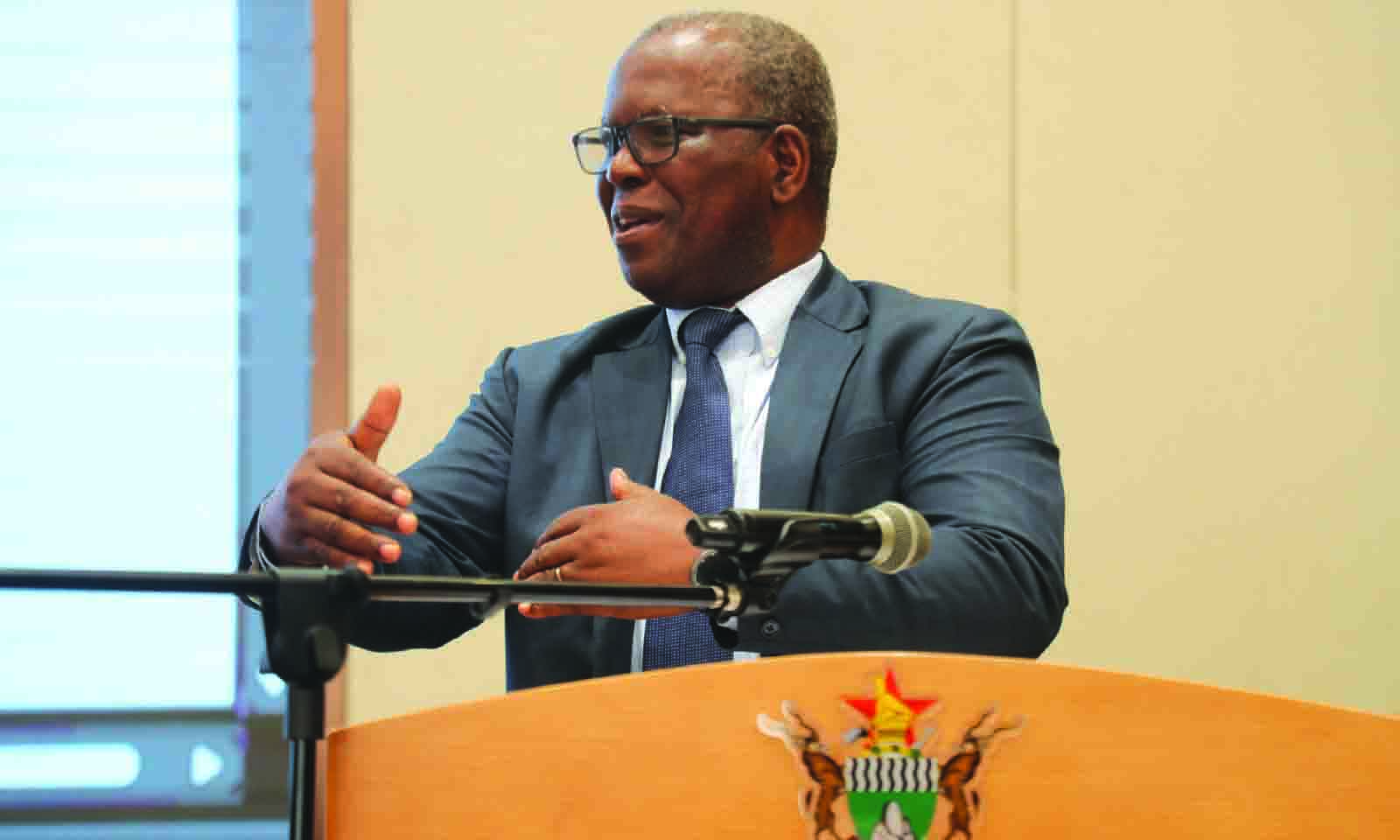
Gibson Nyikadzino
Zimpapers Politics Hub
The National Biotechnology Authority (NBA) should continue to serve as a bridge between academia, industry and Government in implementing the National Development Strategy (NDS) 2, Higher and Tertiary Education, Innovation, Science and Technology Development Minister Dr Fredrick Shava said.
In a speech read on his behalf by the ministry’s chief director Dr Willie Ganda at the authority’s strategic conference for 2026-2030 in Kadoma recently, Dr Shava recognised Science, Technology and Innovation (STI) as cross-cutting enablers of national development.
He said the trajectory the Government is taking in implementing NDS2 must be complemented by biotechnology for its transformative role in driving growth in agriculture, health, environmental protection and industry.
“Under NDS2, biotechnology is not merely a field of scientific research but a strategic sector with immense potential to transform Zimbabwe’s economy and accelerate the national industrialisation and modernisation agenda,” Dr Shava said.
In the implementation of NDS2, in the agriculture sector, biotechnology is set to drive seed improvement, enhance livestock health, and promote climate-resilience; while in health it is expected to underpin vaccine development and diagnostic innovation, and enhance national health sovereignty.
Dr Shava implored the NBA to look into environmental management and use biotechnology for waste-to-value innovation and supporting Zimbabwe’s green growth and climate resilience goals.
“Through these contributions, biotechnology serves as a key catalyst for NDS2 implementation, advancing inclusive economic growth, job creation, and sustainable industrial development. By integrating biotechnology into national value chains, Zimbabwe can unlock a biotechnology-driven economy; one that turns innovation into industry, knowledge into enterprise, and science into jobs,” he added.
Dr Shava also called on higher and tertiary education institutions to continue to drive innovation and industrialisation as guided by the Heritage Based Education 5.0 philosophy. He commended them for setting up innovation hubs and industrial parks that are now producing prototypes and services that support national development priorities.
Higher and Tertiary Education, Innovation, Science and Technology Development Permanent Secretary Professor Fanuel Tagwira said the conference was an opportunity for the NBA to mirror on its achievements, redefine its priorities, and set a clear path for the next five years.
“As a nation, we continue to advance the agenda of industrialisation and modernisation as outlined in Vision 2030 and the NDS2. Of note, biotechnology offers transformative solutions in agriculture, health, environment, and industry, contributing to food security, improved health outcomes, and sustainable economic growth,” Prof Tagwira said.
NBA board chairperson Professor Idah Sithole Niang said her organisation is ready to “realign our priorities as we transition into the National Development Strategy 2 (NDS2) phase”.