Online Reporter
Rutendo Nyeve
Victoria Falls Reporter
THE rehabilitation of the Bulawayo-Victoria Falls highway is among priority projects that have been set by the Ministry of Transport and Infrastructural Development’s ambitious roadmap for National Development Strategy Two (NDS2).
The roadmap reaffirms the ministry’s commitment to modernising the country’s transport network to propel the nation towards Vision 2030 goals.
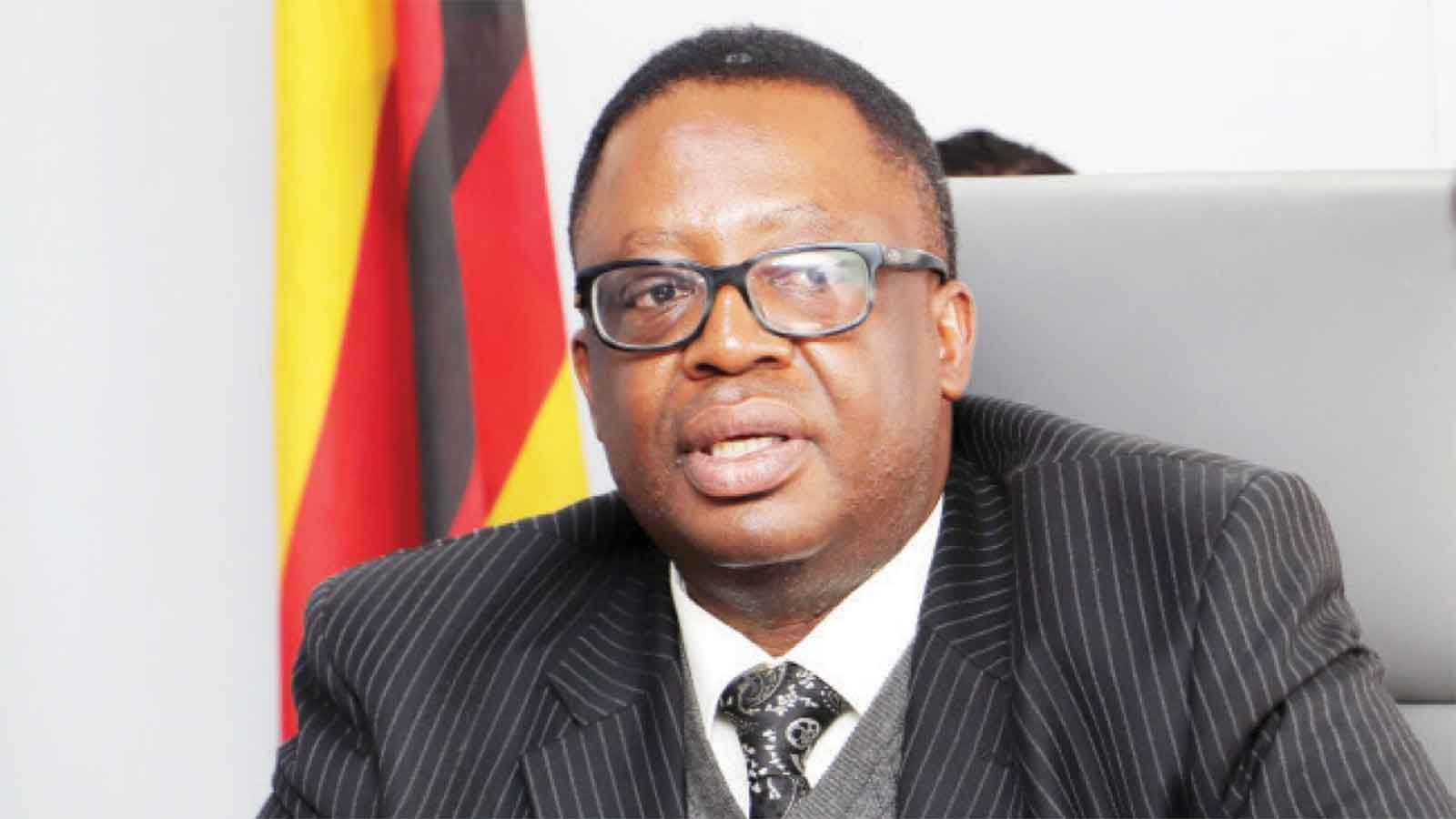
Speaking at the Projects Management Institute (PMI) Zimbabwe 2025 Annual Conference in Victoria Falls yesterday, Transport and Infrastructural Development Minister Felix Mhona represented by the chief director Roads Engineer David Jana, outlined the priority projects set to transform the country’s roads, railways, aviation and border facilities.
He said the Bulawayo-Victoria Falls highway was a critical road for tourism and regional trade.
The upgrade was expected to enhance connectivity, improve road safety and boost economic activity along one of Zimbabwe’s most scenic routes.
Minister Mhona said NDS2, which will run from 2026 to 2030, is an important blueprint for achieving an upper-middle-income society by 2030, saying project management plays a big role in delivering these initiatives efficiently.
“The value of project management cannot be ignored in this quest as a key enabler in the delivery of programmes and projects enunciated in NDS2. It is therefore essential to manage the projects in any strategic environment professionally and deliver them within expected scope, schedule and within budget,” he said.
Minister Mhona said that the Government’s focus on innovation and sustainability aligns with global trends, ensuring Zimbabwe remains competitive in infrastructure development.
The rehabilitation of the Bulawayo-Victoria Falls highway is a cornerstone of the Ministry’s NDS2 agenda. This project is expected to address long-standing challenges such as deteriorating road conditions and safety concerns.
The upgraded highway will facilitate smoother movement of tourists to Victoria Falls, one of Africa’s premier destinations, while also enhancing trade links with neighbouring countries like Zambia and Botswana.
“It is expected that these and other projects lined up will employ certified local project managers, support our private sector, connect our communities and improve the quality of life for all citizens.”
The Bulawayo-Victoria Falls Road rehabilitation is part of a larger strategy to modernise Zimbabwe’s road network, which includes other key projects such as Harare-Beitbridge highway rehabilitation and upgrade (nearing completion), Harare-Kanyemba highway upgrade, Harare-Chirundu highway rehabilitation and upgrade, Lion’s Den to Kafue railway link construction and Ponto-Techobanine railway project (upgrading the line linking Zimbabwe to Mozambique and Botswana)
The Minister reflected on milestones achieved under NDS1, including the completion of the Trabablas Interchange (formerly Mbudzi roundabout), which has significantly improved traffic flow in Harare.
He praised local project managers for their role in delivering these projects.
“The Trabablas Interchange is but one shining example within a broader tapestry of transport infrastructure projects that have been delivered par excellence,” he said.
Other notable achievements under NDS1 include the Robert Gabriel Mugabe International Airport expansion, the Beitbridge Border Post modernisation and the New Parliament Boulevard road upgrade.
Minister Mhona stressed the need for sustainable and innovative approaches in infrastructure development, urging project managers to adopt green designs and cutting-edge technologies.
“This conference must stimulate our imagination and push us to adopt innovation and technology to better develop and deliver sustainable infrastructure through competent project management at the same time promoting green designs,” he said.