

 admin
admin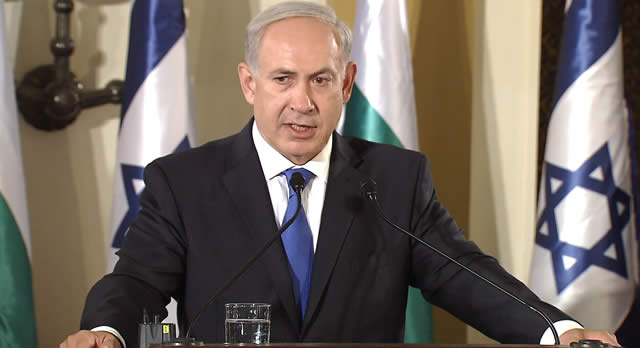
JERUSALEM. — As the dust settles on a dramatic election, the immediate questions are how Prime Minister Benjamin Netanyahu managed to stage such a fierce comeback, why the opposition fell short and what it means for Israel, the Palestinians and the world.
Four days before the vote, Netanyahu looked all, but out for the count, with the last opinion polls giving the centre-left Zionist Union a four-seat lead — enough not only to win but potentially to form a governing coalition.
Even Netanyahu, a veteran campaigner who has emerged victorious from three elections in the past, seemed to think his days were numbered, saying there was a “real danger” he would lose and calling on his right-wing base to turn out.
But in the final three days of campaigning — and on the day of the vote itself — “Bibi” went on a tear, giving more interviews than he has given in years and making a series of right-wing pledges designed to attract nationalist voters.
Visiting the Har Homa settlement in the West Bank, a development he authorised when he was first prime minister in 1997, he promised to go on building Jewish homes on occupied land the Palestinians want for a state, and acknowledged the settlement was designed to cut Palestinians off from Jerusalem. — Reuters.



 Online Reporter