Online Reporter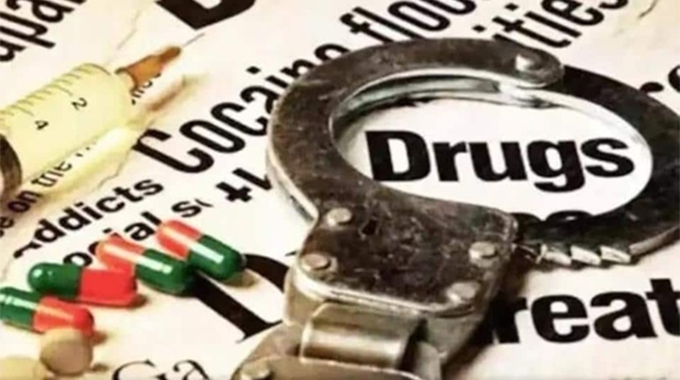
HARMFUL and illegal drugs are becoming an ever more serious menace and social problem in Zimbabwe, with a lot done over the last couple of years and vast experience gained, especially since the launch of the multi-sectoral plan just over a year ago.
It became apparent as the battle against drug supply and use started building up in 2022 and 2023 that there was no single magic bullet that could end the scourge, and that a coordinated approach was needed.
An inter-ministerial committee was set up to provide this, which led to the multi-sectoral plan of action launched by President Mnangagwa in June last year.
Obviously, a lot has been learned about what does work and what does not over the last 12 months, and the Government is now moving forward to set up a formal National Drug and Substance Abuse Control and Enforcement Agency, with a very wide remit to make permanent and more effective the role of the coordinator and where necessary the initiator of action.
Cabinet has approved the draft legislation, the Bill, that will be presented to Parliament so that this agency can then be set up. The Bill also closes some loopholes in the existing legislation dealing with drugs, adding some of the new ones that have emerged and presumably making it easier to extend the list as criminal gangs think up new drugs, or responsible experts find dangers in existing drugs.
We cannot imagine that anyone in Parliament will be opposed to this agency, but since so many senators and those in the National Assembly have been involved in at least some of the combined efforts to combat drugs, there might well be some very sensible suggestions made that can improve the final result.
What is important is that the agency can be effective and practical. This is why it was important that a range of informal coordination and intensification of the battle against drugs was tried out first, since what looks good on paper is not always the best when it comes to applications.
The fact that the Government was able to take into account what was being done, and is still being done, as part of the ad hoc coordination means that the more permanent agency is being built on sound foundations, practical foundations, so that it will work.
We note that it will also need a budget to fulfil its assigned role, and here again Parliamentary approval will be needed. But once again, we have had budgeted expenditure over the last two years, so again when the budget is being finalised those responsible will be able to see where the most effective use was made of the cash.
The briefing after the Cabinet approval makes it clear that the three-fold campaign will continue: prevention, rehabilitation and enforcement but within two divisions within the agency. The social services division will concentrate on the range of rehabilitation and prevention, the training and the help to get addicts untangled from the grip of the illegal drugs.
The enforcement division will be, as its name states, the lead agency in going after the suppliers and smugglers but working hand-in-hand with the police and especially the police narcotics unit. But, as we have seen in other areas, it can be useful to have a dedicated expert team operating with the police, and ensuring that there are full timers.
Presumably, the enforcement unit will be able to build up intelligence concerning drug supply and drug pushing. Some of this can come from users who have being rehabilitated.
Zimbabwe has up to now, and there is no reason to think this basic policy will change, differentiated between those who buy, use and abuse drugs on one hand, and those who grow, smuggle, supply and sell drugs on the other.
While the police have been active against both groups, so far the users have faced far lighter punishment while ever more severe sentences are being lined up against suppliers. We are reluctant to see users as almost blameless victims of the drug pushers, since after all they must have been aware they were breaking the law and going against the strong advice they get from churches, Government, schools, many of their peers and their family.
The numbers involved have tended to mean that many users arrested pay a deposit fine with little follow up. We would prefer that there was a special court, and this could work with the new agency, that could hand out some very conditional sentences, light punishment such as fines or community service if the person agreed to undergo rehabilitation and kept clean.
Our law has embraced suspended sentences, that come into effect if the offender re-offends, and these could be applied as some of the conditions of light treatment when before a court. It should also be made clear that an arrested user wanting leniency and help should be prepared to give full details of where and when they bought the drugs, information that can be passed onto the enforcers.
Those who voluntarily turn up for rehabilitation can be treated differently, and need not go through the courts or police or the enforcement unit of the new agency. We need to make it as easy as possible for someone wanting to take back control of their life to do so.
We do need to treat users and pushers differently, as those few countries that try and treat them the same have the worst drug problems.
But we also need to make it clear that everyone is responsible for their actions.
This also implies a strong prevention campaign. There would be no drug problem and no drug supplies if no one bought and sold drugs, so in the end prevention is the ultimate winner.