


 Sundaymail Editor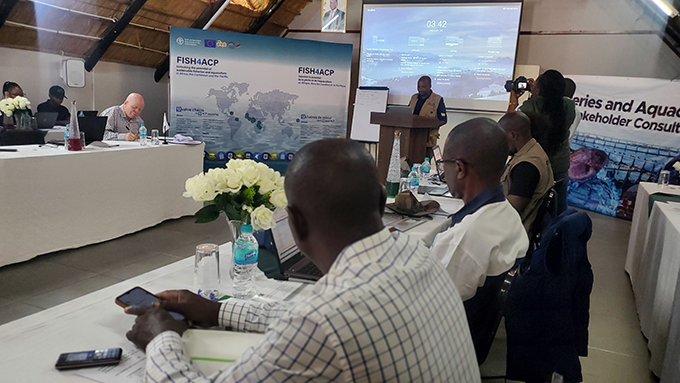
Theseus Shambare in KARIBA
HIGH water usage charges are crippling fish farmers, driving up production costs and threatening the industry’s viability.
Stakeholders revealed this on Sunday during the final Fisheries and Aquaculture Bill consultations that are underway in Kariba.
The meeting was convened by the Ministry of Lands, Agriculture, Fisheries, Water and Rural Development in conjunction with the Food and Agriculture Organisation of the United Nations (FAO).
Farmers expressed concern over the complex and fluctuating water tariffs, highlighting the urgent need for regulatory reform.
The consultations, aimed at finalising the new Bill, became a platform for farmers to voice their frustrations.
They cited the significant impact of Sub-Catchment Council rates and Zimbabwe National Water Authority (Zinwa) charges, especially during periods of drought and water scarcity.
“These water charges are killing us,” lamented one fish farmer who elected to remain anonymous.
“Every drop we use, whether it is from a borehole or the dam, comes with a hefty price tag. It is making it impossible for us to compete, especially when we are already battling rising feed costs.”
A Chinhoyi farmer, Mr Mark Mutatikwa (63), emphasised the unpredictable nature of the charges.
“I was using water for horticulture and they (Zinwa) came to charge me. When I constructed my fishponds, they came again.
“We never know what we are going to be charged for. The rates change, and the regulations are confusing. How can we plan our businesses when we are constantly worried about unexpected water bills?” he said.
The farmers highlighted the variability of charges based on water source, volume and location, saying this adds to the financial burden.
They noted that while recent Government initiatives have provided some relief through reductions in Sub-Catchment Council rates, the overall cost remains prohibitive.
“Even with the small reductions, it is not enough,” said Mrs Agnes Samukange from Zvimba.
“When you are facing drought and your ponds are drying up, you need to pump more water. That means higher bills; it is a vicious cycle.
“Zinwa charges are a major concern for those using boreholes. We need that water to keep our fish alive, but the cost is just too high,” she said.
Stakeholders said these high water charges are not only impacting farmers’ profitability but also threatening food security.
Reduced fish production could lead to higher prices for consumers.
The Fisheries and Aquaculture Bill aims to create a conducive regulatory framework that will facilitate the effective implementation of the Fisheries and Aquatic Resources Development Plan.
This plan will subsequently be presented to the Parliament’s Food and Nutrition Security Committee before being submitted to Cabinet for approval.
Farmers are hopeful that the new Bill will bring clearer regulations, along with more affordable water charges.



 Online Reporter