Tinaye Agere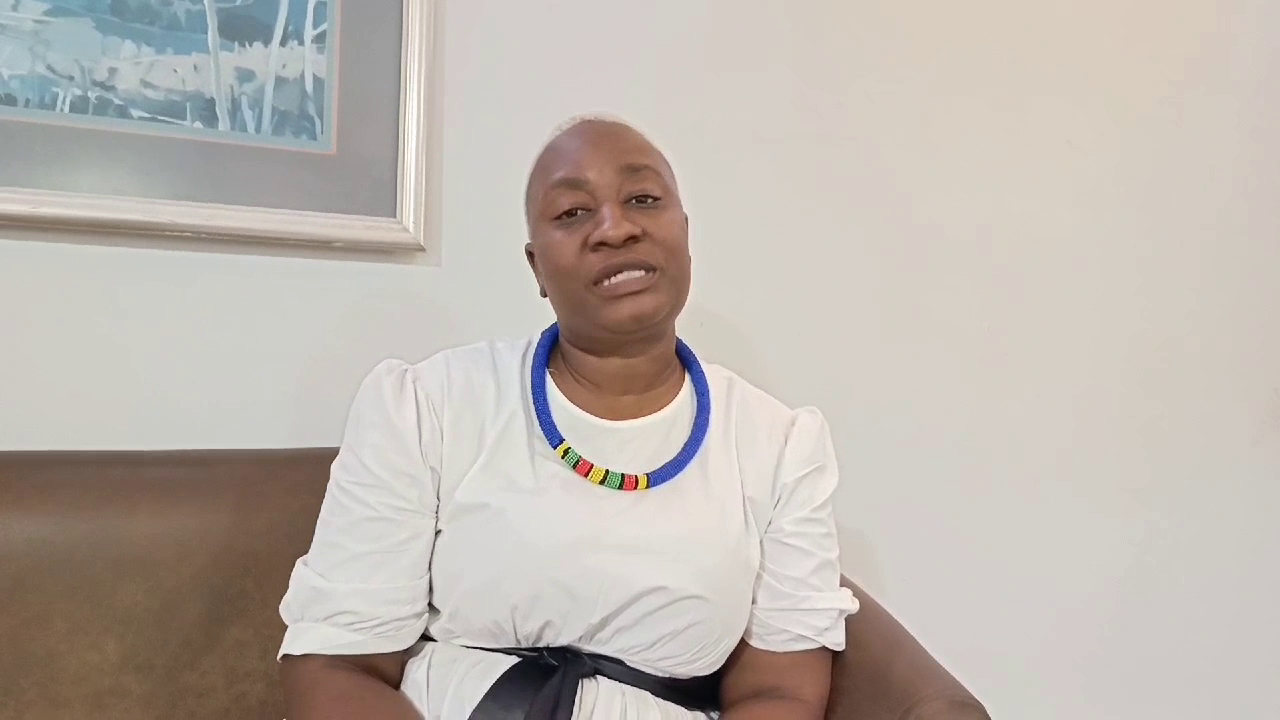
Theseus Shambare
The Government has been praised for significant strides in promoting transparency and accountability, particularly through the recent enactment of the Freedom of Information Act (FOIA).
The Act, which was passed this year, has empowered citizens, including those with disabilities, to access information held by public bodies, fostering greater transparency and accountability in Government operations.
Signs of Hope Trust (SOHT) director, Ms Samantha Sibanda, commended the Government for its commitment to transparency.
“The FOIA is a crucial tool for promoting good governance and democracy,” she said. “It empowers citizens, regardless of their abilities, to hold public officials accountable and ensure that government resources are used effectively.”
To mark International Day of Universal Access to Information, celebrated annually on September 30, Ms Sibanda emphasised the importance of ensuring that the FOIA benefited all citizens, including those with disabilities.
“The right to access information is a fundamental human right that should be enjoyed by everyone,” she said.
“The FOIA is a powerful tool for promoting inclusion and empowering marginalized communities.”
The Act has already had a significant impact on Gvernment transparency.
Citizens have used the FOIA to request information on a wide range of topics, including public procurement, Government spending, and environmental policies.
Ms Sibanda said: “In many cases, the Government has responded to these requests in a timely and transparent manner.
“As Signs of Hope Trust, we are proud to have won our first appeal under this Act, resulting in the creation of the “Database of Community Information Centres.”
“This victory demonstrates how essential the Access to Information Act is in empowering civil society organizations (CSOs) to raise awareness of government initiatives and foster collaboration between public institutions and advocacy groups.”
While these developments were commendable, Ms Sibanda noted, there was a need to confront the ongoing challenges that persons with disabilities face in accessing information.
“Access to information is a cross-cutting right that is essential for the realisation of all other human rights, including socio-economic rights. For persons with disabilities, the right to access information online is even more critical as digital platforms become the primary gateway to public services, education, healthcare, and employment,” she said.
She said the rapid rise of artificial intelligence (AI) in information dissemination exacerbated the digital divide for persons with disabilities.
“Without digital literacy skills or access to inclusive educational resources, many are being left behind.
“Al technologies, while revolutionary, are often developed without adequate consideration for accessibility needs, this oversight leaves persons with disabilities struggling to navigate online services or benefit from digital tools that could otherwise improve their lives,” said Sibanda.
Feedback: X@TheseusShambare



 Online Reporter