Tinaye Agere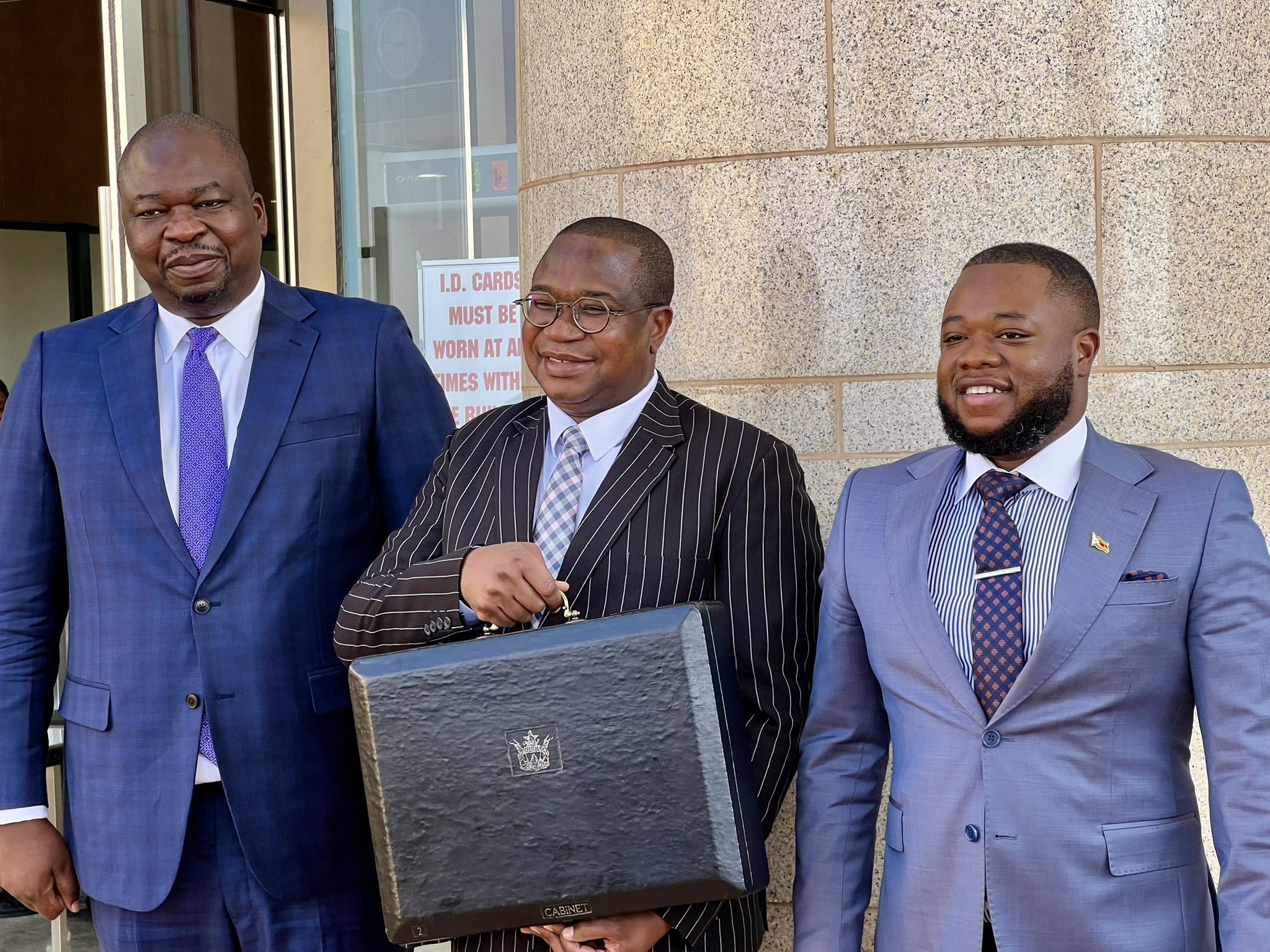
Zimpapers Politics Hub
ZIMBABWE’s inflation is set to remain stable due to tight monetary policies introduced by Government and the Reserve Bank of Zimbabwe, Finance, Economic Development and Investment Promotion Minister Professor Mthuli Ncube has said.
Presenting the Mid-term Budget and Economic Review statement in the National Assembly today, Prof Ncube said Zimbabwe’s economy was set to grow by 2 percent this year.
“Mr Speaker Sir, the domestic economy is now projected to grow by 2 percent in 2024, down from the 2024 National Budget projection of 3, 5 percent,” he said.
“This downward revision is mainly attributed to the more severe than expected impact of the El-Nino-induced drought on agriculture output.
“The growth projection is, however, subject to upside potential as wheat output during this winter season could be higher than projected. This would reduce the contraction of the agriculture sector and ultimately improve the overall GDP outcome for this year.”
Prof Ncube said currency reforms introduced by Government for the Zimbabwe Gold (ZiG) to replace the Zimbabwe dollar have significantly paid off, leading inflation to subside.
“In that regard, the ZiG month-on-month inflation remained stable at 0 percent in June from -2,4 percent in May 2024, while the US$ month-on-month inflation stood at -0.3 percent, from 0,1 percent in May 2024,” he said.
“In the outlook period, inflationary pressures are expected to remain subdued due to the tight monetary and fiscal policies being pursued by the authorities aided by the dissipating negative inflation expectations as the local currency unit remains stable against major currencies.”
Prof Ncube said total foreign currency receipts increased by 9,5 percent to US$6,2 billion from January to June 2024, from US$5,6 billion received during the same period in 2023.
He said this was largely driven by the growth in export receipts, mainly from gold, agriculture commodities, manufactured products and diaspora remittances.



 Online Reporter