Andrew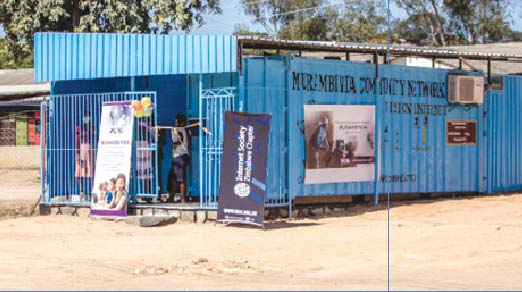
Emmanuel Kafe
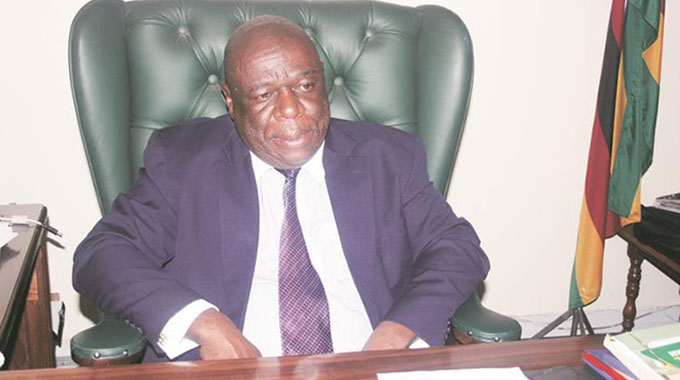
MR Joseph Bishi might not be renowned in the world of Information and Communications Technology (ICT) but he has piloted what could turn out to be a revolutionary method to connect rural communities to the internet.
The 34-year-old has since pioneered a community network in Murambinda, a small town in Buhera District, about 250 kilometres from Harare.
Mr Bishi, through his company Murambinda Works, is spearheading the process that has seen schools, police posts, businesses and hospitals in the area getting internet access.
Usually, community networks – often called “civic networks” or “free-nets” – are localised internet access networks which have one source of connectivity extended to key institutions through low-cost infrastructure.
Mr Bishi understood the need for internet access in his community when he was running an internet café in the area.
He now leads a team of six people.
“It all started from a modest internet café that we opened in 2001. Now we are serving thousands of people around Murambinda. The community network is a low-cost shared internet connection where the entire community can share a particular bandwidth from a local internet provider at an affordable price,” he said.
Community networks are best suited in areas where infrastructure for broadband is yet to be installed.
Covid-19 has fast-tracked the adoption of electronic processes in commerce, education and health delivery.
“The project aims to improve internet access in rural areas of Zimbabwe through improved broadband infrastructure. It also involves the expansion of priority digital services in areas such as health, education, agriculture, finance and commerce.”
Murambinda Works started as a cybercafé named Vision Internet and subsequently grew into a hub that promotes knowledge, healthcare and development.
“In 2018, the Internet Society (ISOC) supported the organisation in building a 40-kilometre radius network connecting some of the schools, the nurses’ training school, village farms, Government offices and the community at large,” added Bishi.
The community network connects district headquarters and covers 108 000 people.
“Murambinda Works is fostering digital inclusion and literacy while building the link between internet access and other fundamental rights such as education. By fostering digital inclusion and literacy, promoting local ICT solutions and building the link between internet access and other fundamental rights such as education, it is seeding change far beyond the region.”
Postal and Telecommunications Regulatory Authority of Zimbabwe (Potraz) recently invited communities to submit their own plans for networks similar to the one in Murambinda.
Last year, the ICT, Postal and Courier Services Minister Dr Jenfan Muswere officially opened the network and hinted it would be replicated across the country.
Murambinda Works has trained 44 people to come up with similar models.
So far, more than 11 schools have been connected, benefitting from affordable and shared internet service.
The bandwidth has the possibility of connecting more than 80 schools in the community.
At the local level, farmers in Buhera are already benefiting.
In addition to marketing their products online, they have been doing research on best practices and accessing extension services remotely.
Vision Internet’s ground-breaking transition from a cybercafé to a community network was a result of combined stakeholder and community efforts.
Added Bishi: “Through training of the entire district and intensive exposure, the community network has transformed in the last decade into a trusted community partner on ICT matters and the internet.”
While TelOne fibre is available in Murambinda, relatively high installation costs have been discouraging.



 Online Reporter