

 Online Reporter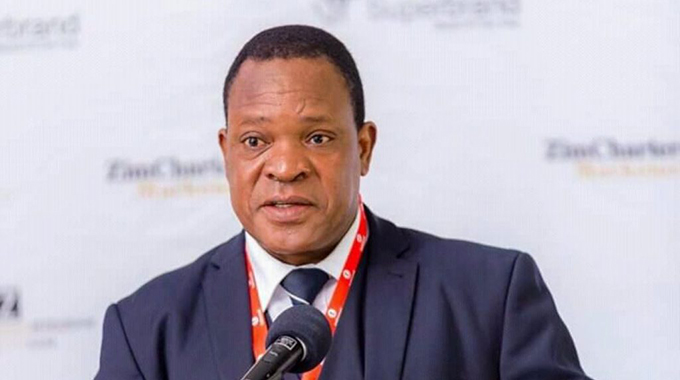
Sukulwenkosi Dube-Matutu, Mat South Bureau Chief
THE Government has introduced a new system for distributing inputs under the Pfumvudza/Intwasa programme, replacing the traditional method with a bank card system that will allow farmers to purchase their inputs directly.
Previously, farming inputs were distributed through the Grain Marketing Board (GMB), where farmers would collect them. However, under the new system, registered farmers will receive AFC or POSB bank cards, which they will use to buy inputs such as seed and fertiliser.
Speaking to community members in Wanezi, Insiza District, Lands, Agriculture, Fisheries, Water and Rural Resettlement Minister Dr Anxious Masuka said the initiative is designed to streamline the process by eliminating intermediaries and reducing the risk of resource diversion.
“Starting this year, we won’t be distributing inputs which were being delivered to GMB depots and then to various wards. We noticed that this process is long and some bags of inputs might get diverted along the way,” he said.
Dr Masuka said instead of collecting inputs from depots, farmers will have funds deposited into their bank cards, which they will then use to directly purchase inputs. The system will be piloted with winter wheat farmers before being rolled out to other farmers in the summer cropping season.
“Money will be deposited and you will then use that card to collect your inputs, be it seed or fertiliser. We are doing away with the middleman, and we will begin this system this winter season with irrigation farmers,” he said.
Dr Masuka said the Pfumvudza/Intwasa programme is crucial for ensuring decent yields, even in dry seasons. He encouraged farmers, particularly in arid regions, to adopt the programme’s conservation agriculture practices, regardless of input availability.
The Pfumvudza/Intwasa programme is part of the broader Rural Development Programme 8.0, which includes several Presidential initiatives aimed at enhancing rural development and achieving Vision 2030.
Dr Masuka stressed the importance of community involvement in these programmes to ensure their success.
“The Rural Development Programme 8.0 contains programmes which have been introduced by President Mnangagwa to ensure that development comes to your communities.
“All of these programmes are coming to our community because we have an organised President who wants to uplift all the communities in the country. All of these programmes are what will lead us to attain Vision 2030,” he said.
“What’s important is for us as communities to work together with Government and the President in making these programmes as success so that we can all play a part in seeing our country become prosperous as we have envisaged.
Nyika inovakwa nevene vayo and no one and no place will be left behind.”
Since its inception under the Second Republic, Pfumvudza/Intwasa has been lauded for transforming subsistence farming into more commercial ventures, particularly for smallholder farmers. It targets households in communal, A1, small-scale commercial farming and old resettlement areas, providing training and guidance on producing cereals, oilseeds and legumes.
The programme has helped rural communities cope with droughts, such as those induced by El Nino. The Government aims to make agriculture a US$8,2 billion industry contributing significantly to Zimbabwe’s GDP and aligning with the National Development Strategy 1 (NDS1) towards achieving Vision 2030.
@DubeMatutu


