

 admin
admin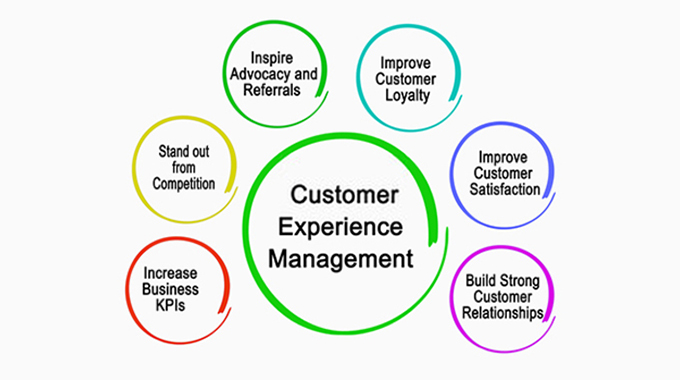
Robert Gonye
Business growth has always been at the heart of the marketplace. Every business is all about growth. To create a competitive differentiator that would get more business for clients, treating customers well, and giving them what they want is at the heart of every sales manager’s action and marketing department’s message.
However, business is also all about return on investment (ROI). When a company invests $1, they want to make at least $2 back for their trouble. Therefore, if you dedicated a resource to fostering growth, you expect that you will get the results you invested in it to get it.
The competition is fierce in business today and doing the wrong thing without the right data or market understanding can easily render you out of business.
Business growth types
Therefore, how do we get growth? Where do we get new customers? Something that is answered by the three types of growth that exist in the marketplace:
- Traditional Growth: This type of growth is what many people picture when you say the word, and it includes customer retention and customer development activities. Traditional growth includes improvements in functionality in a rational way such as faster processors in technology, new delivery times, or improved networks or network access for telecommunications, and other things along these lines.
- New Sales Growth: This area includes increases in sales, market share, or new customer acquisition. New Sales Growth includes expanding your offerings to capture a new type of customer.
- Experience Growth: This type uses the Customer Experience to foster customer-base increases in the organisation. By providing an experience that meets the needs of customers and potential customers, the organisation increases its sales. Another term we could use to describe this third area is customer-driven growth.
Customer driven-growth
Customer-driven growth is improving Customer Experiences to meet the needs of customers so that they want to do business with one company over another. You gain customer-driven growth when you improve your experience. Offering an improved experience addresses the emotional needs customers have and look for in a customer experience. In other words, if you improve your customer experience, you will enhance your customer-driven growth.
Unmet needs to gain business growth
All businesses need to focus on customers’ unmet needs to gain growth. Now, of course, some unmet needs are not realistic in a business sense, so those will remain unmet. For example, if people want a premium product but want to pay less than it costs to make to get it, a business could say no to that, and that would be the right thing to do.
However, hidden unmet needs exist that are far more realistic that can be addressed. Interesting research was shared on a Private Hospital which wanted to improve their patient experience. The initial research revealed that patients wanted the doctor to spend more time with them. It sounds reasonable enough that patients would want that. It is difficult to do in today’s medical climate, but understandable at a surface level.
A deep dive that looks below the surface of what people say they want and reveals what they want to be revealed that while patients said they wanted to spend more time with the doctor, the actual unmet need was more subliminal. What patients meant was they wanted to feel like the doctor was listening to them.
The actual unmet need was revealed and the hospital system could address it. The hospital administrators learned a couple of things in the experience that was contributing to patients’ unmet needs. The doctor spent much time inputting information to the computer system. Moreover, doctors had limited to no training on how to listen to people. Therefore, the actions the hospital system took were much different (and less expensive) than the steps the hospital would have taken to get doctors to “spend more time” with patients.
As a business, it’s important to examine unmet needs in the market, too, and just like the ones customers would determine if they were to drive growth. Then you can ask useful questions that will help your organisation gain growth, like:
◆ What’s the cost of us moving into and serving that market segment?
◆ How much market share or profit is potentially available here?
◆ What’s the lifetime value of a customer when you compare it to the customer acquisition costs?
Practically speaking, there are four things that you should do to use unmet needs to gain potential growth:
- Determine if there is an unmet need in the marketplace or customer base. Complacency in business has rarely led to something suitable for an organisation as far as gaining growth.
- Look for subconscious needs or desires that lie just under the surface of customer consciousness. Part of the challenge at this point is to differentiate between what customers say they want and what they want.
- Analyse whether people outside your customer base share this unmet need in the marketplace. The potential for growth outside of your customer base is an essential consideration when choosing a direction for your organisation.
- Calculate whether that unmet need will help you gain growth. In other words, does it make financial sense to invest in this area, and can it potentially attract prospects in addition to enhancing your customer experience?
When we have grand strategic ventures for our customer experience, but we don’t determine the practicalities of it, we get ourselves into trouble. Many ways exist to gain growth. Finding the ones that make sense for the organisation is vital so you can adopt a strategy that will, you know, work.
Focus is preferred here, too. If you try to go off in several different directions at once, you are not going to get anywhere. You won’t have any specific actions or initiatives and the necessary support for them that they need to be successful. Therefore, defining set avenues for customer-driven growth backed by strategic decisions about what you can do to grow in sustainable and responsible ways is the only way to go.
◆ Robert Gonye is a Business growth expert and influencer. He writes in his capacity. Comments and views: [email protected]



 Online Reporter