Tinaye Agere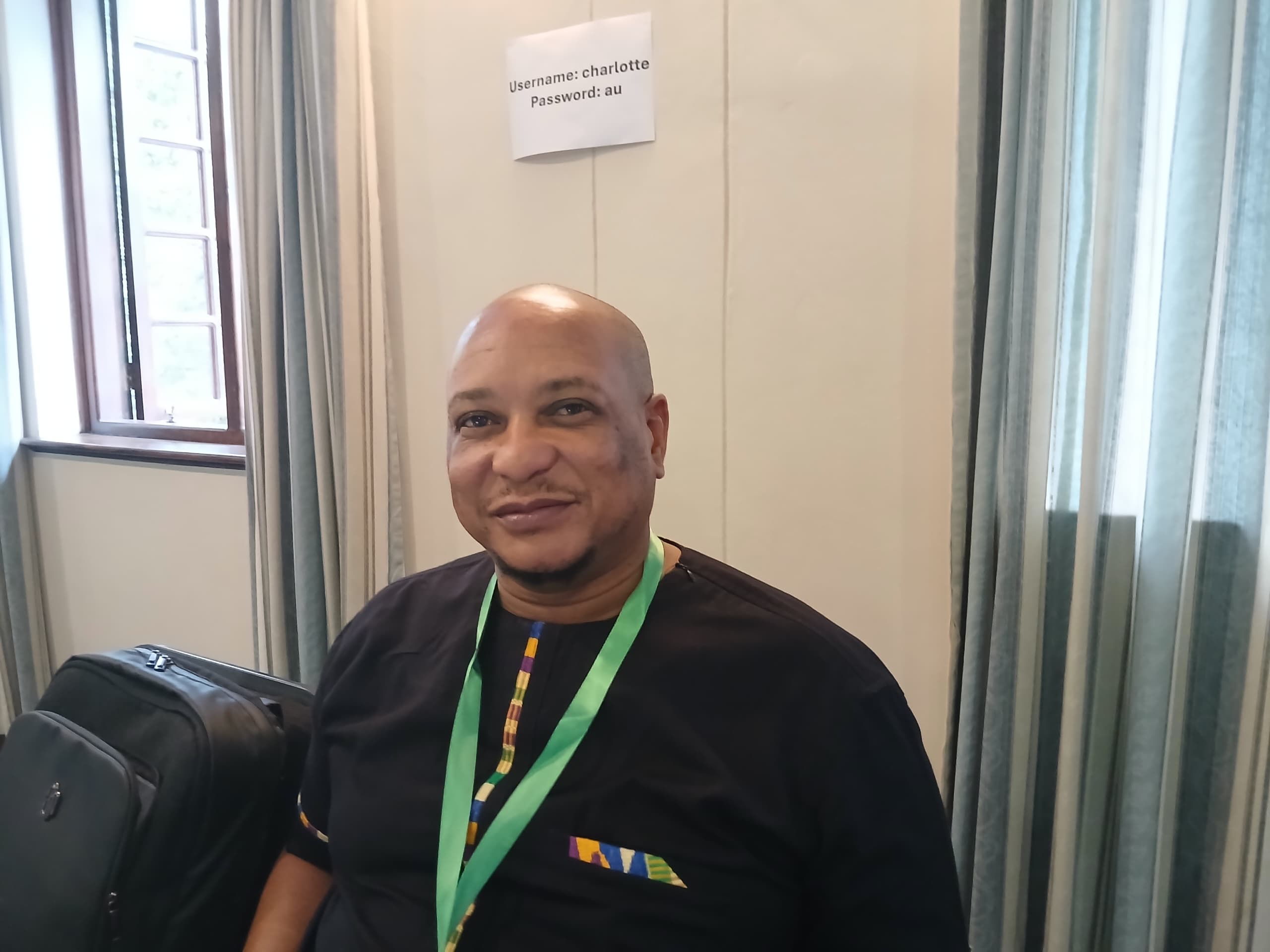
Malven Mugadzikwa
Land-linked countries like Zimbabwe can leverage their inland waterways and water resources to promote trade, transportation, aquaculture, tourism, energy, research, and innovation, thereby tapping into the vast potential of the blue economy.
This was said by Southern African Development Community (SADC) Technical Advisor: Fisheries Project Manager: PROFISHBLUE Directorate Food, Agriculture and Natural Resources Dr Motseki Hlatshwayo during the ongoing stakeholders workshop to define priority issues for the development of the national blue economy for Zimbabwe on Tuesday.
Dr Hlatshwayo said the blue economy encompasses a diverse range of sectors and strategies that can drive economic development, enhance environmental sustainability, and foster social well-being.
“These nations can leverage their inland waterways and water resources to promote trade, transportation, aquaculture, tourism, energy, research, and innovation, thereby tapping into the vast potential of the blue economy,” he said.
This National Consultative Workshop, he said, is a vital step for a collaborative journey for Zimbabwe, the region and the continent to showcase the commitment and shared vision for harnessing the immense potential of the blue economy to foster sustainable development, economic diversification and improve societal livelihoods.
Dr Hlatshwayo said: “The concept of the blue economy, centred on sustainable ocean resource utilization for economic growth, has emerged as a vital framework for countries worldwide.
“While typically associated with coastal and island nations, the blue economy presents unique opportunities for land-linked countries that lack direct access to the sea but maintain connections through rivers, lakes, and other water bodies.”
He acknowledged that Zimbabwe is endowed with rich water bodies like the Zambezi River, Lake Kariba, and numerous wetlands, each offering unique opportunities and challenges.
“However, these opportunities will not materialize without strategic action. We must advocate for policies that support sustainable practices and ensure equitable access to these resources.
“Collaboration is essential, between government, local communities, private sector stakeholders, regional and international partners, and NGOs. Working together, we can create an inclusive strategic framework that empowers all Zimbabweans to participate in and benefit from the country’s blue economy,” he said.
Dr Hlatshwayo highlighted that the development of blue economy is high on the agenda of the African Union, guided by the AU Agenda 2063, the Africa Blue Economy Strategy (2019), and the 2050 Africa’s Integrated Maritime Strategy (2050).
“Additionally, the SADC Blue Economy Strategy and Action Plan (2023 – 2032) – a ten-year strategy and action plan that aligns with SADC’s Regional Indicative Strategic Development Plan (RISDP), the SADC Industrialisation Strategy and Roadmap (2014) and SADC Vision 2050, draws from the African Blue Economy Strategy and seeks to domesticate continental instruments within the SADC region,” he said.
The SADC-BESAP he said envisions social and economic inclusivity, environmentally resilient and sustainable use of the blue economy resources that would significantly contribute to SADC’s mandate of regional integration and sustainable development.
To date, almost all SADC Member States have begun to engage in supporting the development of their national blue economy strategies through support from the AU.
“Collaboration and partnerships are fundamental to the success of the blue economy, especially in land-linked countries. By engaging with coastal states, international organizations, academia, civil society, and the private sector, land-linked nations can exchange knowledge, share best practices, mobilize resources, and address common challenges related to ocean and inland water governance, maritime security, environmental protection, and sustainable development,” said Dr Hlatshwayo.
Dr Hlatshwayo emphasised that SADC will support Zimbabwe and the work of the African Union Commission(AUC) and AU-IBAR to ensure the realisation of the National Blue Economy Strategy.



 Online Reporter