Sundaymail Editor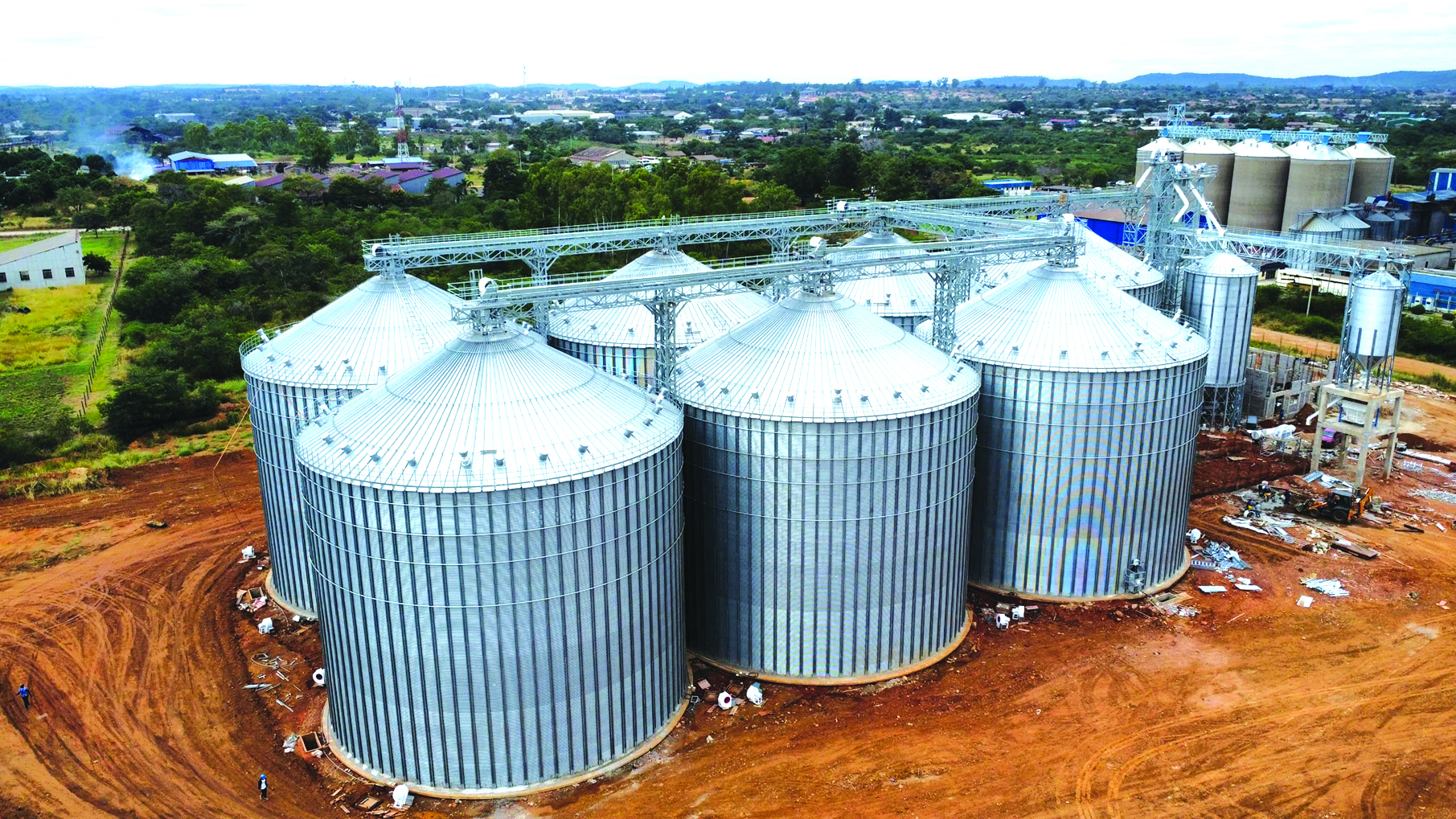
Theseus Shambare recently in KWEKWE
FOR Ms Doreen Gurwe of Chirumhanzu, Midlands province, the familiar groan of an overloaded truck and swirling dust in its wake were the hallmarks of harvest time.
However, a cloud of anxiety always lingered.
It is at the Grain Marketing Board (GMB) where dreams were either realised or shattered.
And for Doreen and many others like her, their maize was often rejected because of high moisture content.
“You would see your precious maize, the fruit of months of back-breaking work under the scorching sun, just sitting there,” Doreen recalls.
“The weight of those rejected bags felt heavier than the bags themselves. It was not just lost income; it was a piece of your heart breaking.”
Ms Emily Takawira still vividly remembers the helplessness.
“We would spread our maize on tarpaulins, praying for dry days, fighting a losing battle against sudden downpours and the silent creep of weevils,” she said.
“You would watch a significant portion of your livelihood simply disappear.
“It stole not just our money but our hope for the future.”
Hope
But all this is now changing.
In parts of the country, sleek silver structures — smart silos — are rising against Zimbabwe’s skyline.
In Kwekwe, one such facility is nearing completion and scheduled to open next month, just as the 2024/2025 summer harvest begins to trickle in.
For farmers like Ms Mavis Vurundiya, the new facility inspires awe — and relief.
“These new silos . . . they are like something from the future,” she says, eyes wide as she gestures towards the towering, metallic cylinders.
“Before, we spent money on bags, worried about every drop of rain, then faced the ignominy of rejection. Now, they say these silos can feel the air inside, know when to protect our grain. It’s hard to believe — but seeing it here, it feels like a huge weight has been lifted. We can finally focus on growing more, knowing our hard work won’t just rot away.”
Engineer Andrew Mupariwa, the driving force behind this agricultural transformation in the Midlands province, shares that optimism.
“Imagine the peace of mind for a farmer, knowing their harvest is entering a system that actively safeguards it,” he said.
“This is about restoring dignity and security to our farming communities.”
According to Eng Mupariwa, the Kwekwe facility is about 93 percent complete, with only office work and power connections remaining.
Zimbabwe has long suffered significant losses — estimated at US$32 million annually — due to outdated storage systems vulnerable to moisture, pests and spoilage.
The Government’s ambitious US$300 million-plus silo upgrade project, spanning 14 GMB depots, aims to eliminate these inefficiencies and strengthen national food security.
Once Kwekwe comes online, more facilities will follow.
Progress is already visible in Mutare, where the facilities are 80 percent complete; Mhangura (45 percent); Mvurwi (27 percent); Rutenga (19 percent); Timber Mills (17 percent); and Lupane (10 percent).
“We are not just building better silos; we are building a smarter system,” said chief director of agricultural engineering, mechanisation and farm infrastructure development in the Ministry of Lands, Agriculture, Fisheries, Water and Rural Development Engineer Edwin Zimunga.
“The integration of internet of things sensors will provide real-time data on everything from the moment the grain arrives to the energy used in storage.
“This granular level of control will minimise waste and maximise efficiency at every stage.”
Smart silos
The new generation of smart silos being introduced across Zimbabwe represents a revolutionary step forward in grain storage and post-harvest management.
Unlike traditional storage facilities, these silos are equipped with advanced technologies, including artificial intelligence (AI), internet of things (IoT) sensors and automated climate control systems, all working together to preserve the quality of harvested grain and significantly reduce post-harvest losses.
At the heart of these systems are IoT sensors that continuously monitor key environmental factors inside the silos, such as temperature, humidity, moisture content and carbon dioxide levels, which can indicate spoilage or insect activity.
This real-time data allows for immediate adjustments to storage conditions, ensuring the grain remains in optimal condition for longer periods.
To support this, the silos are fitted with climate control mechanisms, including fans for ventilation and systems that regulate air flow to reduce excess moisture.
Depending on the readings from the sensors, the systems can activate dehumidifiers or heaters, adapting to both weather conditions and the grain’s state to prevent mould growth, rot and infestations.
AI plays a critical role by analysing the sensor data and predicting potential issues before they arise.
It can recommend best practices for storage, automate decision-making to maintain stable conditions and optimise energy use, running the systems only when necessary.
When farmers deliver their grain to these facilities, the silos can automatically test for quality indicators such as moisture content and direct the produce to the appropriate storage compartments.
This process not only reduces the risk of rejection due to quality issues but also ensures transparency and traceability through digital recording of deliveries.
Additionally, the silos include integrated inventory and logistics management systems that track grain volumes, monitor condition and streamline dispatch planning.
This helps prevent spoilage, reduces human error and combats theft or mismanagement of stored grain.
Once complete, the project will add 784 000 tonnes of new storage capacity to the current 650 000 tonnes — vital infrastructure as Zimbabwe braces for a projected 3,5 million tonnes of cereal and a record-breaking 600 000 tonnes of winter wheat this season.
The new state-of-the-art grain storage facilities herald a new dawn for farmers; one where new technologies are adopted for convenience and boosting incomes for hardworking farmers.


 Online Reporter