Online Reporter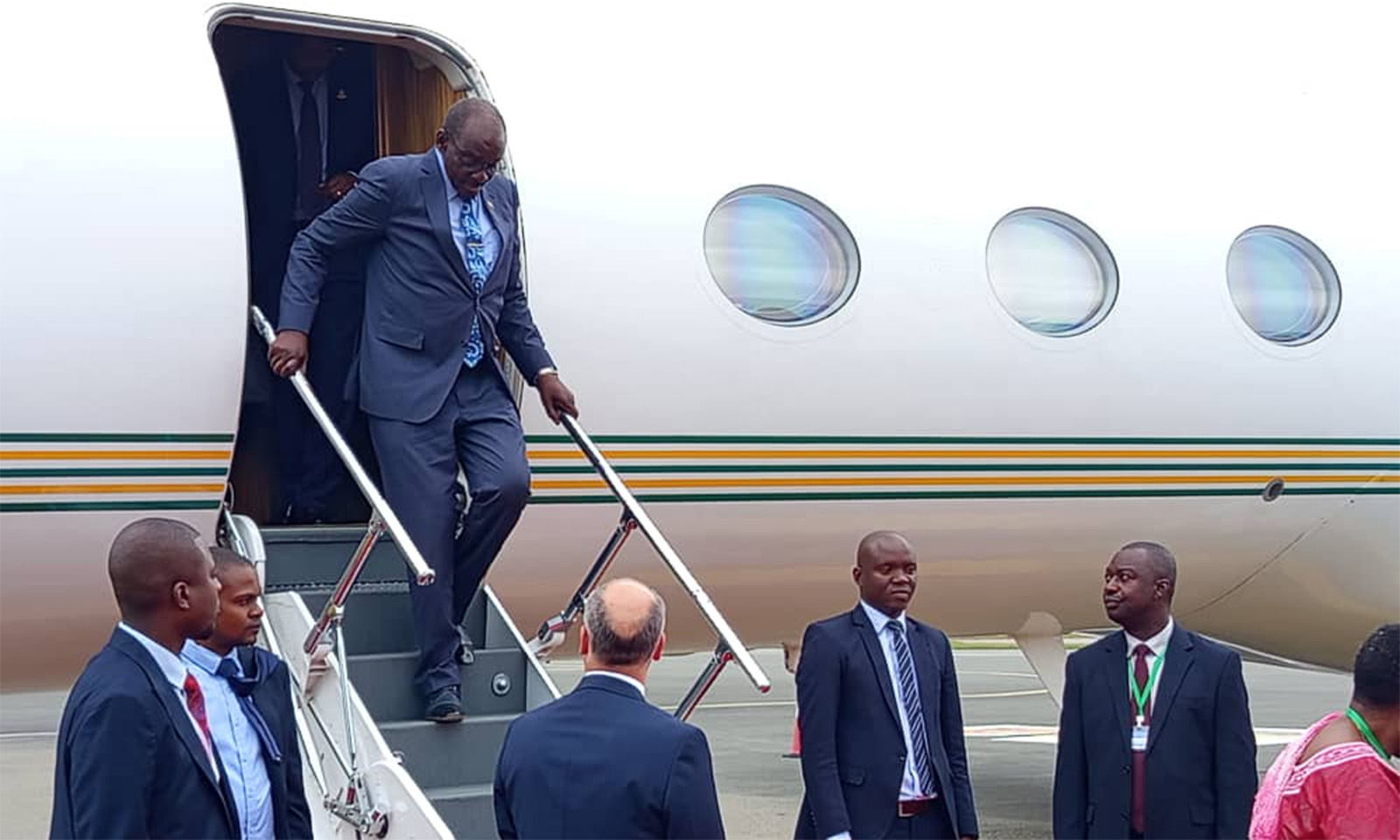
Nyore Madzianike in DAR ES SALAAM, Tanzania
VICE PRESIDENT Kembo Mohadi has arrived in Tanzania for bilateral engagements and a tour of liberation war heritage sites.
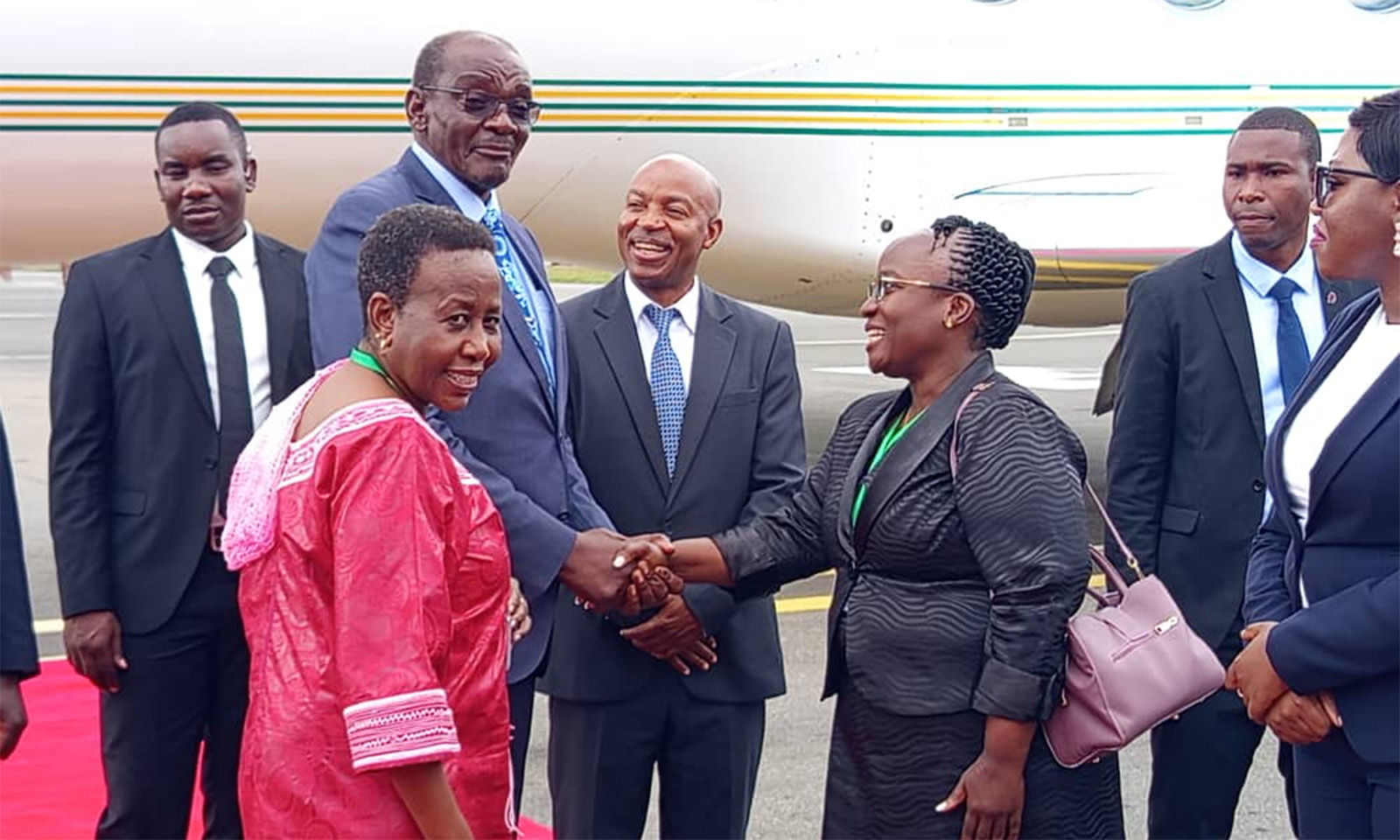
He was welcomed at Julius Nyerere International Airport by Tanzania’s Deputy Minister of Foreign Affairs and East African Cooperation Cosato David Chumi, Zimbabwe’s Ambassador to the East African country Ms Helen Dingani, Deputy Minister of Home Affairs and Cultural Heritage Chido Sanyatwe, Deputy Chief Secretary in the Office of the President and Cabinet Zvinechimwe Churu, and other senior Government officials.
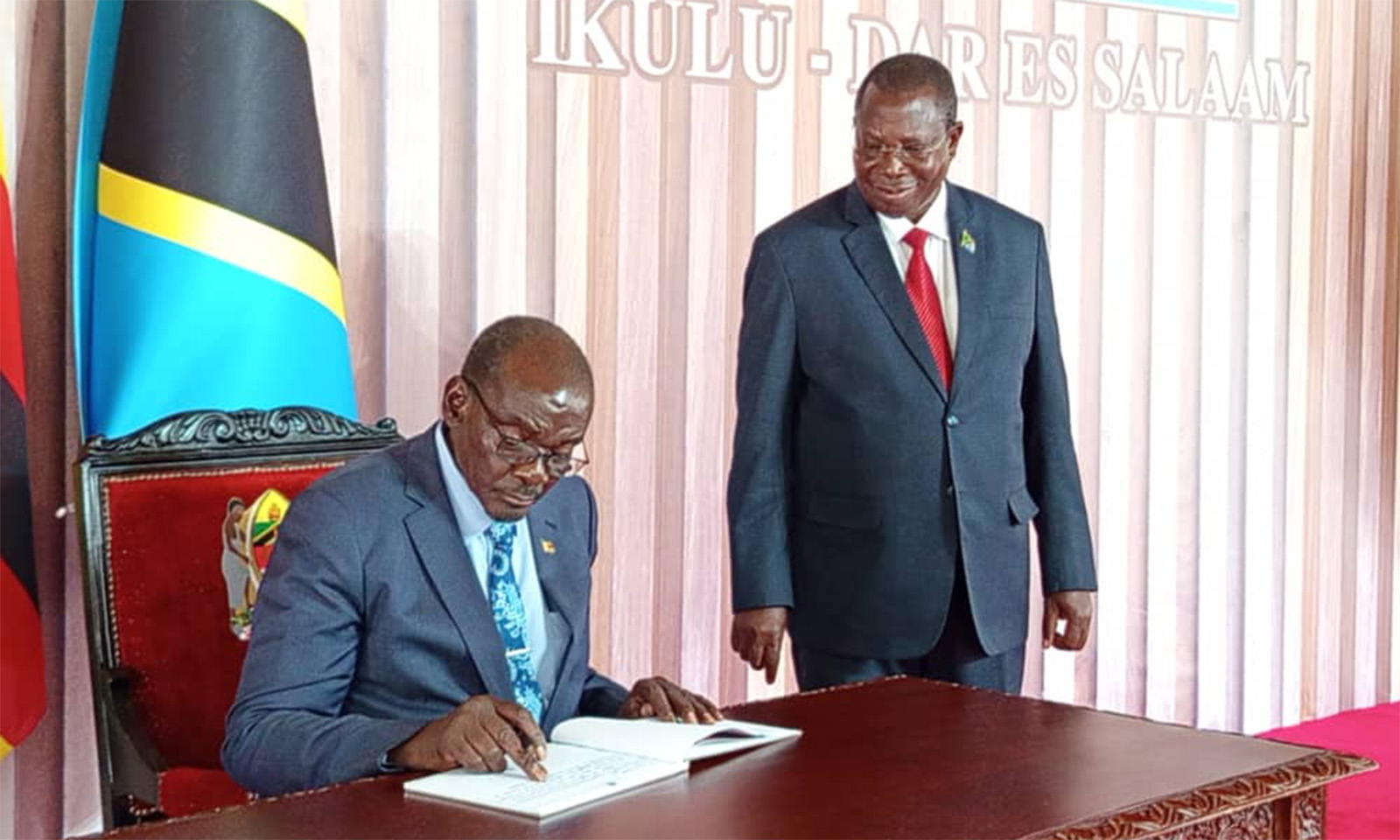
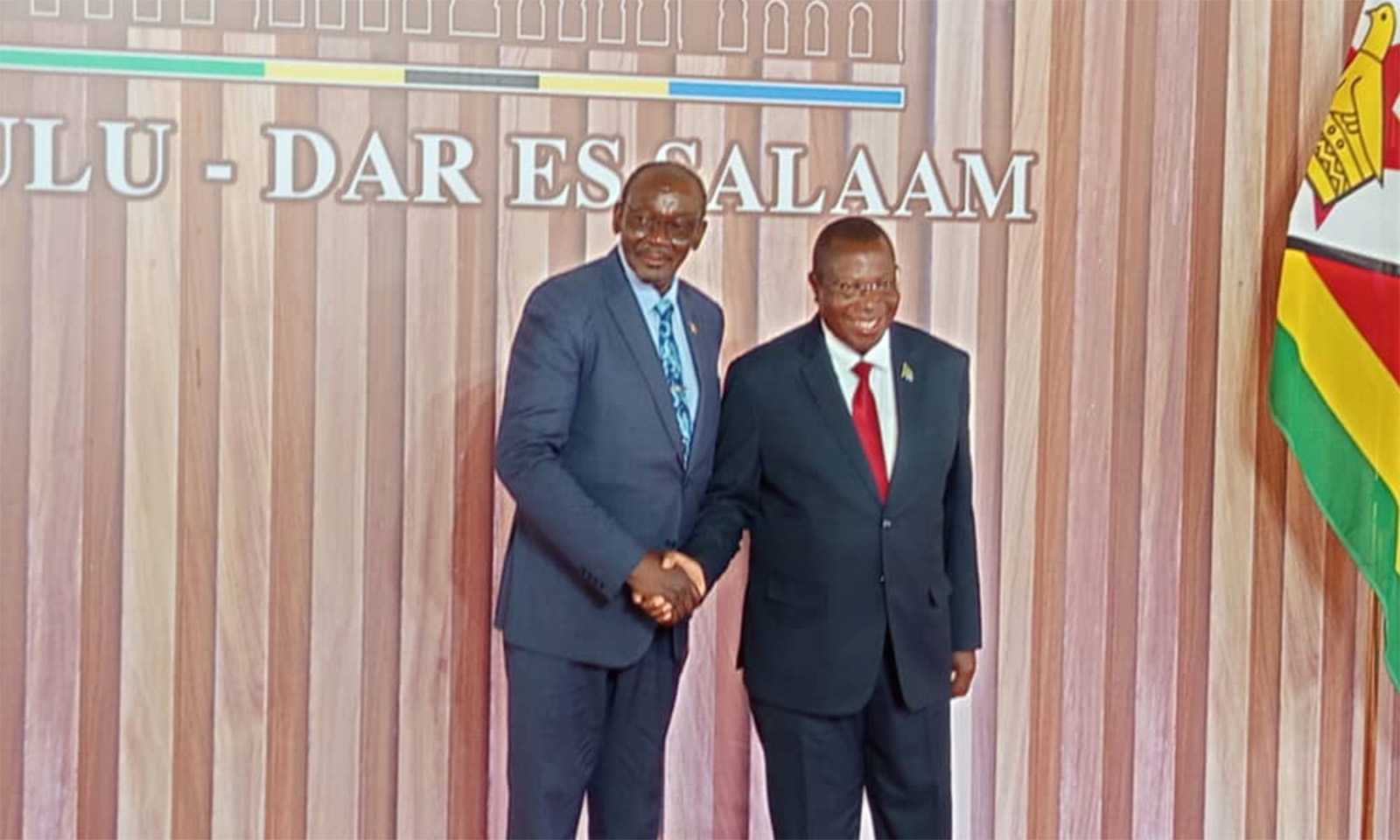
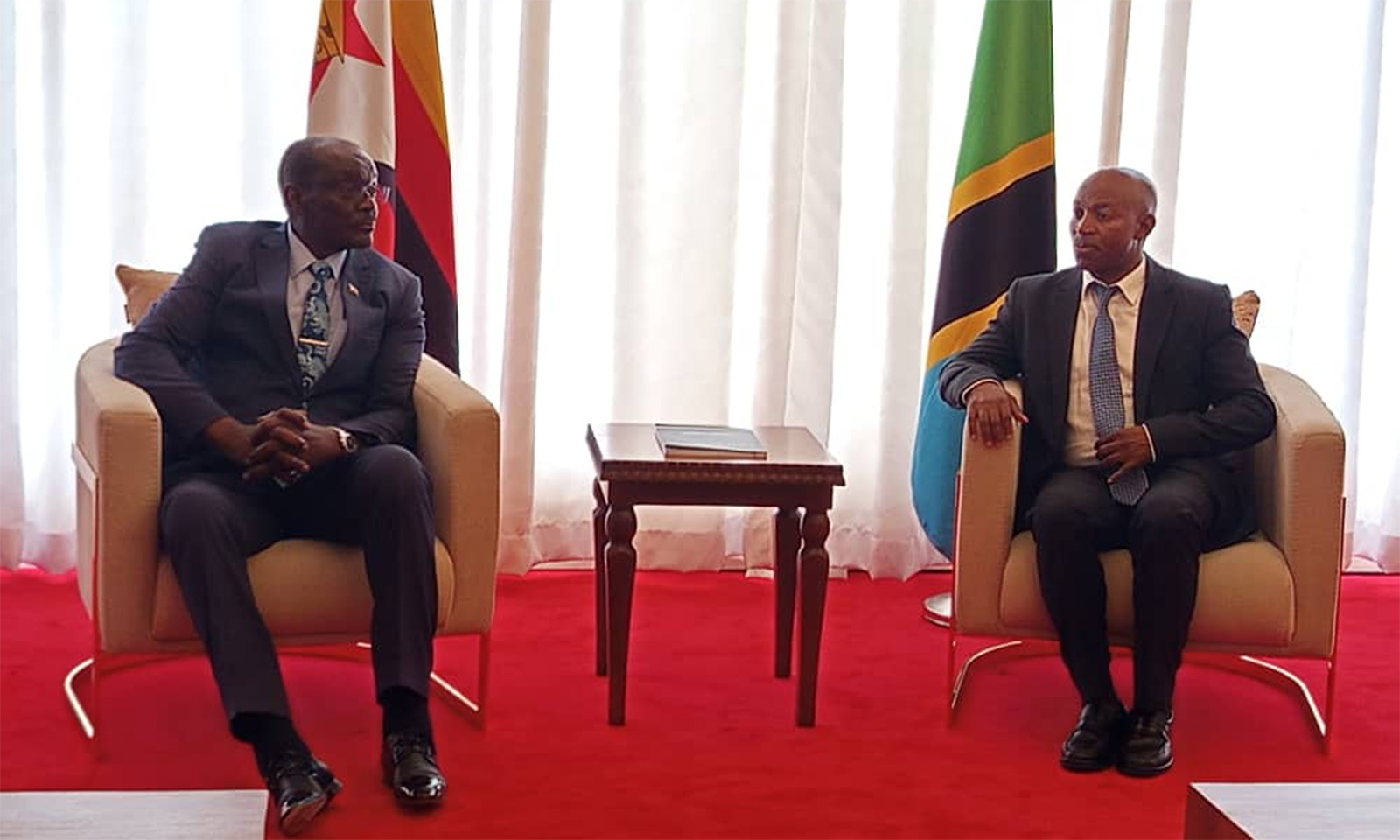
VP Mohadi is expected pay a courtesy call on Tanzania’s Vice President Dr Philip Isdor Mpango at State House, where the two leaders will hold bilateral talks.
Deputy Minister Chumi is expected to accompany VP Mohadi to the Mwalimu Julius Nyerere Leadership School, which is offering leadership courses to members of liberation movements drawn from Southern Africa.
He is also scheduled to tour Bagamoyo Training Camp, which was later transformed to Kaole Wazazi College of Agriculture, as well as the Liberation Museum Centre.
The visit follows similar engagements in Angola and Zambia as part of ongoing efforts by the Second Republic to preserve and honour the legacy of the liberation struggle.
Tanzania played a pivotal role in supporting regional liberation movements by providing military training facilities in locations such as Mgagao, Morogoro, Bagamoyo, Kongwa and Nachingwea, among others.
In relation to ownership of agricultural land, Section 72 of the Constitution clearly declares that the land vests in the State. Thus, the State is also a private owner of agricultural land and is empowered by virtue of Section 293 of the Constitution to “alienate” agricultural land through either “transfer” or through lease or any other means.
Broadly speaking, the current law allows the State to transfer agricultural land for value. This is despite the wording of Section 72(4)(b) of the Constitution, which states that “all agricultural land continues to vest in the state”. The phrase simply entails that once the State has acquired agricultural land, the land continues to belong to it.
What the State can do with the land after acquisition is governed by Sections 71, 293, and 294 of the Constitution, which allows “owners” of agricultural land to transfer the land for value, subject to any existing laws.
The phrase “for value” means there must be a transaction, for example, an outright purchase for a fee or consideration, whether cash or in-kind, a mortgage, or any other arrangement that secures value to the Government.
This transferability of land is key in unlocking the much-needed capital in the agricultural sector and doing away with the old system of offer letters, permits and 99-year leases, which had transformed Zimbabwean land into dead capital.
The latest decision by the GOZ has the potential to promote agricultural productivity.
It was high time the State issued title deeds to agricultural land holders post the FTLRP, since the Constitution had always provided for the fate of acquired agricultural land.

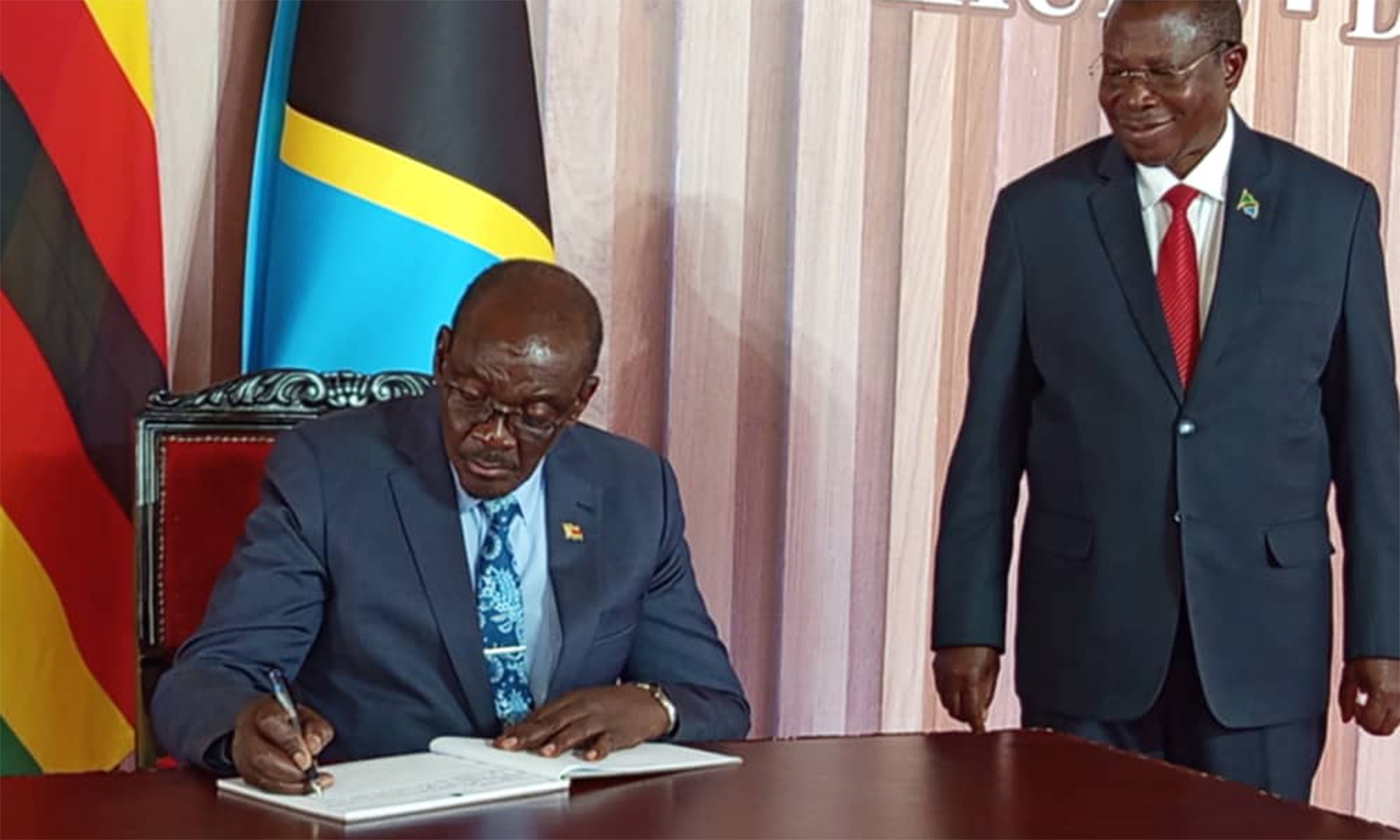
Vice President Kembo Mohadi signs the visitor’s book after being received by his Tanzanian counterpart, Vice President Dr Philip Isdor Mpango, at State House, where the two are set to hold a bilateral meeting.