Tinaye Agere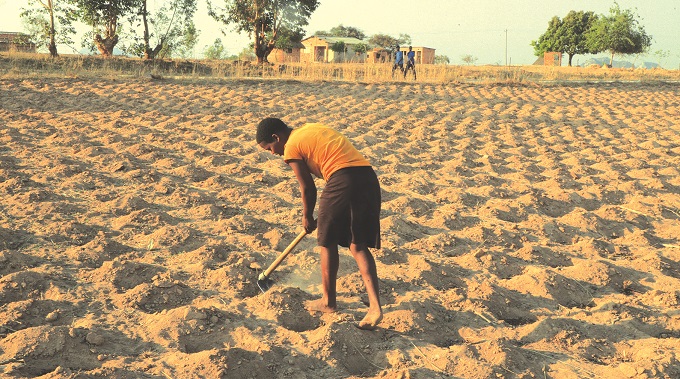
Online Reporter
THE 2023/24 drought saw a significant drop in production of cereals, thereby posing food insecurity among the people of Zimbabwe.
However, the hardships experienced last season positively shaped the future of agriculture and built resilience among farmers.
Speaking during the Building Climate Resilience in Zimbabwe Conference on Thursday, Permanent Secretary in the Ministry of Lands, Agriculture, Fisheries, Water and Rural Development Professor Obert Jiri highlighted the importance of agro-ecological measures and adoption of traditional grains, saying this will enhance food security and resilience among farming communities.
“The El Nino-induced drought taught us that farmers need to respect the dictates of agro-ecological regions to mitigate against the effects of climate change.
“Farmers need to be advised on the best crop to grow to ensure food security from the household and national level,” said Prof Jiri.
“The Pfumvudza/Intwasa programme, which aims to climate-proof agriculture, has mainstreamed the food systems climate nexus and this encouraged the growth of traditional grains in drier areas while limiting the growth of maize in agro-ecological regions 4 and 5.
“Due to drought, many farmers experienced food insecurity and economic loss. This calls for the establishment of comprehensive agriculture insurance schemes and emergency relief measures so that farmers can build resilience and emerge stronger.”
He said the El Nino phenomenon also highlighted the need for concerted efforts to spur irrigation development to counter climate change and ensure food security.
“The lack of rainfall made it clear that we need effective irrigation systems and rainwater harvesting techniques. We, therefore, must adopt new technologies and approaches, as well as agricultural interventions that can withstand drought and flourish in harsh environments.
“However, farmers need to prepare accordingly because this season will likely be good. Preparation must be on point.
“There is a high probability of experiencing regular rainfall in Zimbabwe from November and December, which could be attributed to the La Nina phenomenon.
“It is crucial that we employ water conservation technologies such as Pfumvudza and adhere to planting during the ideal planting timeframe,” he said.



 Online Reporter