admin
admin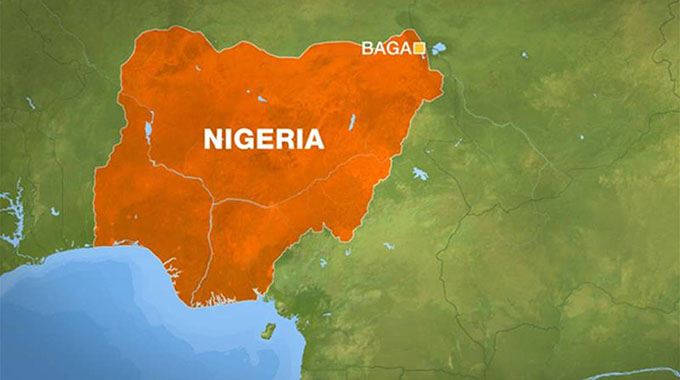
Nigeria’s monthly inflation rate soared to a seven-year high in June, after President Bola Tinubu scrapped fuel subsidies and allowed the currency to weaken before declaring a state of emergency to control staple food costs.
Prices rose 2,1 percent in the month, the most since May 2016, and annual inflation quickened to 22,8 percent from 22,4 percent in May, according to the data published on the National Bureau of Statistics’ website. That was less than the median estimate of seven economists in a Bloomberg survey of 23 percent.
The annual and monthly upswings were fuelled by higher food prices. Annual food inflation quickened to 25,3 percent in June from 24,8 percent a month earlier and monthly to 2,4 percent from 2,2 percent. Since taking over as president from Muhammadu Buhari in late May, Tinubu has rid the country of costly fuel subsides introduced in the 1970s and eased foreign-exchange controls, which have driven up transport and import costs.
The currency has dropped about 40 percent against the dollar over the past month and pump prices have almost tripled.
Last week, he declared a state of emergency that would allow the government to take exceptional steps to improve food security and supply, such as providing low-cost funding for farmers to buy fertilizers, seedlings and other inputs. He also approved 500 billion naira of spending to cushion the impact of the removal of gasoline subsidies in the West African nation.
The acceleration in both annual and monthly inflation, and expectations that price pressures will remain elevated may persuade the central bank’s monetary policy committee to increase interest rates later this month.
The impact of the subsidy removal and exchange rate weakness will likely filter through into the July data, Bismarck Rewane, chief executive officer of Financial Derivatives Co. in Lagos said by phone.
“The exchange rate effect came up at the end of June, into July. — Bloomberg.



 Online Reporter