admin
admin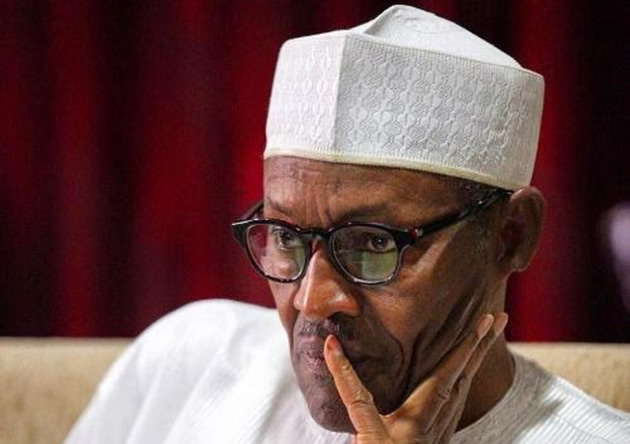
ABUJA. — The Nigeria Immigration Service is to withdraw diplomatic and official passports from some political office holders in line with a directive from president Muhammadu Buhari. The passports allow easy movement for the holders, especially in acquiring visas for both private and official journeys. The withdrawal of the documents from the specified officials takes immediate effect.
The affected are former governors, senators, members of House of Representatives and members of State Houses of Assemblies.
Others are former commissioners, special advisers and assistants, chairmen of local governments, heads of agencies and retired public servants.
NIS Comptroller-General Mike Abeshi, confirmed that the diplomatic passports for the listed categories had been revoked.
He said on Monday that the revoked documents should be returned immediately to the NIS headquarters in Abuja.
“Failure to comply with this directive will amount to an offence under the Immigration Act,” Mr Abeshi warned.
President Buhari had issued the withdrawal order because use of these passports was being abused.
Nigerian diplomatic passports will now be confined to a defined category of Nigerians “to give meaning to the document and ensure international respect,” the immigration boss added.
Meanwhile, president Buhari promised to appoint the long-delayed cabinet before the end of September. He has gone without a cabinet since he swept into office on May 29 this year.
The president gave the assurance, which will temper the anxiety of Nigerians and the diplomatic community, on Monday in Aburi, Ghana.
Buhari, who was visiting Ghana, was holding a joint press conference with his host, president John Dramani Mahama.
“After I was sworn in, I said I will have my cabinet in September. I expect that Nigerians should ask me questions after September 30 if I do not do so,’’ President Buhari said.
The president had indicated at the time he would only appoint full ministers and dispense with junior ministers.
He had also proposed the reduction of ministries from 42 to 24 and the merger of several agencies as a cost-saving measure. — Africa Review.


 Online Reporter