Online Reporter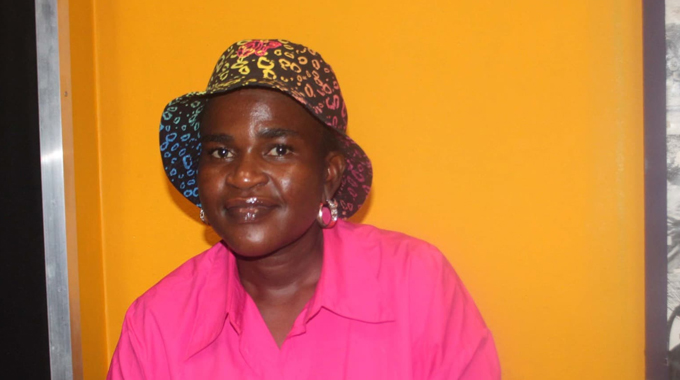
Sikhumbuzo Moyo, [email protected]
Have you ever imagined indulging in a sumptuous meal featuring rice served with beef trotters, cow innards, beef, chicken, and a rich tomato stew, all harmoniously cooked together in one pot? Or perhaps, envision stepping into a restaurant and being served isitshwala alongside an okra stew brimming with beef or fish, again, all cooked in a single pot?
While this might seem an unusual menu for many Zimbabweans, particularly Bulawayo residents, it’s a cherished delicacy in Nigeria. This is precisely what Sibonginkosi Msimanga, known affectionately as Cindy, a Lupane-born lady who spent over five years in Nigeria through marriage, has brought to Bulawayo.

Msimanga told the Saturday Chronicle that her dishes are steadily gaining popularity, now catering to at least 30 clients daily, both locals and Nigerians.
“I’ve always enjoyed cooking, but I noticed a gap in the market for Nigerian food here in Zimbabwe. My familiarity with Nigerian cuisine stems from my marriage and the five-plus years I lived there,” she explained during an interview, while preparing an Okra and Egusi stew for a client.
Msimanga recounted that after launching her Nigerian cuisine business, she briefly travelled to Nigeria to visit her children. During her absence, others attempted to capitalise on her concept, distributing flyers advertising their own Nigerian menus.
“I don’t believe they managed to penetrate the market as effectively, although some are still operating,” she said.

However, her introduction of Nigerian cuisine wasn’t without its challenges.
“A friend encouraged me to prepare dishes for the Zimbabwe International Trade Fair (ZITF). To be honest, it was almost a disaster. I’m grateful I recovered my start-up capital, but I didn’t make any profit,” she said.
Undeterred by this initial setback, Msimanga remained determined to pursue her dream, knowing that perseverance pays off.
“Through my Nigerian contacts, I began taking orders and delivering to clients. Excellent service naturally attracts people, and gradually, the numbers grew. Now, on a good day, I can receive up to 30 orders,” Msimanga said.

She offers a variety of dishes, tailored to client preferences, including rice. “They have rice, similar to ours, but its white rice served with a stew, which in South Africa is sometimes called kwasakwasa and red stew. This stew includes amangqina, the insides, beef, chicken, tomatoes, all cooked together without any broth,” Msimanga said. She also said that dehaired cow skin is a delicacy for some of her clients.
Msimanga detailed that the ingredients are cooked separately, as they have different cooking times, and then combined in one pot for further steaming before serving. She noted that the preparation of Nigerian stew follows a similar process, with variations in the final additions.

“My menu includes Egusi stew, made from ground dry melon seeds used as a thickener. I also offer Okra stew, mixed with either beef or fish, prepared using palm oil, which is organic and extracted from palm fruit,” Msimanga said.
Her menu also features two types of cooked rice: Jollof and fried rice. Jollof rice is traditionally made with long-grain rice, tomatoes, chillies, onions, spices, and occasionally other vegetables and/or meat, all cooked in a single pot.
The tomato mixture is cooked twice: first to soften the raw vegetables, and then again with seasoning to develop the flavourful stew base.
“Fried rice is a dish made with meats, mixed vegetables like carrots, peas, sweet corn, and green beans.
You can also add spices,” Msimanga said.
Msimanga’s long-term aspiration is to establish a fully-fledged restaurant specialising exclusively in Nigerian cuisine.