admin
admin
Patrick Chitumba Senior Reporter
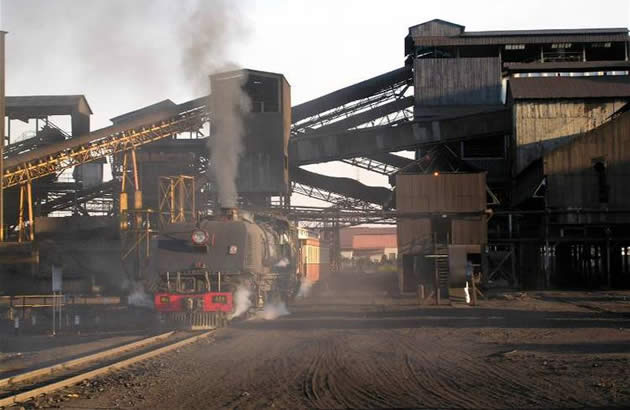
THE government will not bail out Hwange Colliery Company Limited even if it is the major stakeholder as it is broke but will see to it that its life span estimated at 36 years, is extended through the issuing of new coal concessions, a Cabinet Minister has said. Addressing HCCL management and board members after his visit to the mine on a fact finding mission on Wednesday, Mines and Mining Development Minister, Walter Chidhakwa said:
“The government has no money to bail out the mining company. However, it will also not dictate how operations are run as the company works on ways of becoming viable again”.
The government has a 38 percent stake in the company while British businessman Nicholas Van Hoogstraten holds 35 percent through his investment vehicles Messina Investments and Associates and Mittal Investments.
The National Social Security Authority controls six percent.
HCCL, Chidhakwa said, had a balance sheet with liabilities hovering around $166 million.
Hwange, which owes employees $19 million, also owes Zimra $60 million and the Mining Industry Pension Fund $18 million.
“You need to address the balance sheet. There is a need for restructuring of the balance sheet. As for the employees, you need to pay them their dues even if it is a small amount. It’s better off and it boosts their moral,” Chidhakwa said.
He said giving the company a concession would give Hwange a new lease of life and make it attractive to investors.
“The company must and should pay its debts. Honour up to your suppliers, honour up to your workers’ salaries and that will give your shareholders confidence. Investors will also be confident to invest in the company,” Chidhakwa said.
“Don’t make us feel that we are misplacing our national asset (coal concession). We must feel that it is going to help this community and the country at large.”
Chidhakwa said the government did not want to give the company an asset that it would then abuse.
General Manager (Operations) Victor Rakabopa had earlier told the minister that the company was cash strapped and was failing to fully operate due to obsolete equipment.
He also said the company was failing to secure funding from international and local financial institutions.


 Online Reporter