Online Reporter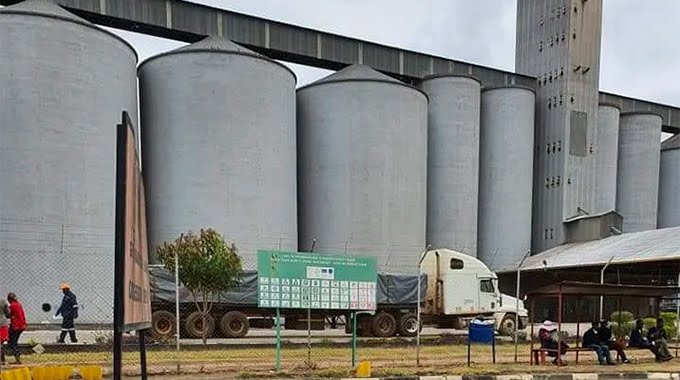
Theseus Shambare
Herald Correspondent
ZIMBABWE remains food secure and has sufficient stocks to assist any regional nation facing food shortages, as the Government continues to draw from a well-maintained Strategic Grain Reserve (SGR).
Currently, the Strategic Grain Reserve stands at over 187 000 tonnes, comprising maize, wheat and small grains, giving authorities confidence to meet domestic needs while extending humanitarian assistance beyond the country’s borders.
During the ongoing lean season, about 1,2 million food-insecure Zimbabweans are receiving assistance under the Government and World Food Programme interventions targeting vulnerable households across the country.
The lean season is the period between harvests when household food stocks are depleted, typically from January to March, leaving low-income and climate-affected communities vulnerable to hunger.
In addition to meeting domestic requirements, Zimbabwe has moved further to assist neighbouring countries affected by floods, dispatching 2 000 tonnes of grain to Mozambique and Malawi, following presidential authorisation.
During the tour at GMB Aspindale depot on Wednesday to assess the state of the SGR, Lands, Agriculture, Fisheries, Water and Rural Development Permanent Secretary Professor Obert Jiri said the country’s food security position remains stable, assuring the nation that grain reserves are adequate even before new season deliveries.
“Even before the new season deliveries, Zimbabwe remains food secure. Our Strategic Grain Reserve is sufficient to support vulnerable communities and the nation as a whole,” he said.
“Working with the Department of Social Welfare, we identify areas that are in need, like the Doma people, we have already delivered grain there.”
Prof Jiri added that the Government’s priority was to ensure no citizen goes hungry.
“Zimbabwe remains food secure, with strategic reserves standing at 187 204 tonnes, including 39 000 tonnes of maize, 118 000 tonnes of wheat and other grains,” he said.
He said preliminary indications from provinces show that despite the current mid-season dry spell, crops are generally in good condition, raising optimism for the 2025–26 agricultural season.
Meanwhile, Public Service, Labour and Social Welfare Permanent Secretary Mr Simon Masanga said lean season interventions are already underway, with beneficiaries receiving three-month allocations to reduce transport costs and improve efficiency.
“We have adequate grain allocated to cover vulnerable households during the lean season and support can be extended if the situation demands,” Mr Masanga said.
Civil Protection Department chief director Mr Nathan Nkomo said disaster response systems remain fully activated countrywide as the rainy season continues, noting that Zimbabwe’s assistance to neighbours reflects regional solidarity.
GMB chief executive officer Dr Edson Badarai said the parastatal was fully prepared to handle both domestic distribution and regional support, citing expanded storage capacity, new silos, additional trucks and over 1 800 collection points established nationwide.