Online Reporter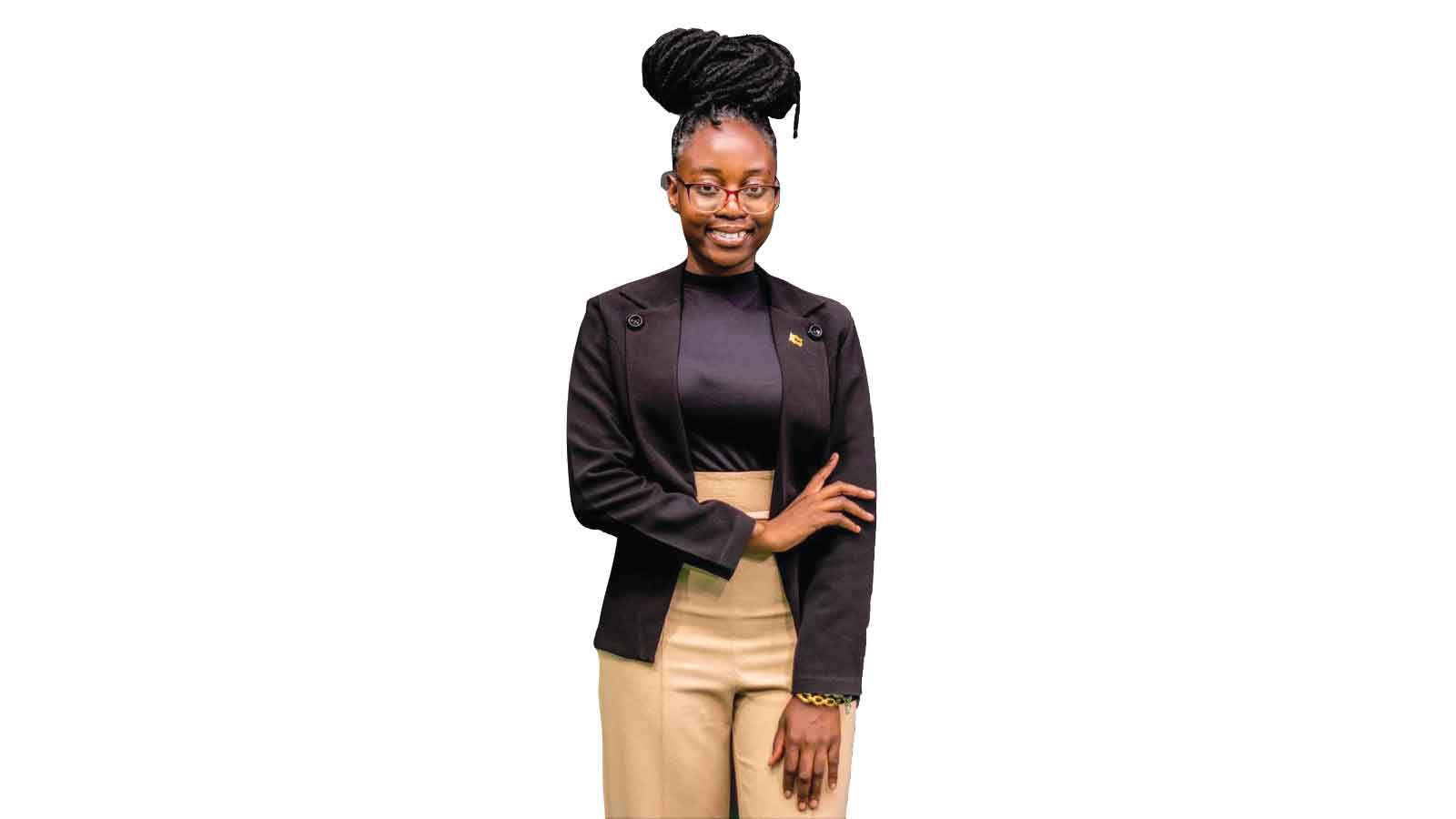
Phillipa Chinhoi
Youth Interactive writer
IN the heart of Mufakose, a township often dismissed as a “ghetto,” a young woman’s dream was born, a dream that defied stereotypes and ignited a lifelong pursuit of justice.
At just 21, Nodeshah Tanyaradzwa Maingehama stands as a beacon of courage and resilience, her journey a testament to the power of conviction and faith.
She said she grew up seeing things that forced her to mature early. “She recalls, “Girls being abused, young people lost to drugs, others joining zvigure, and communities normalising injustice.”
These harsh realities planted in her a deep commitment to human dignity and equality. Over time, that seed grew into a fierce determination to become a human rights defender.
From Grade 1, Nodeshah boldly declared she wanted to be president, a dream many dismissed as unrealistic. “People laughed. Teachers told me to choose something more practical,” she says.
But that ambition taught her a profound lesson that leadership is not about titles, it’s about integrity, courage, and showing up when it matters most.
Her voice first found expression through poetry at Ruzivo Primary School. “I wrote poems about women, injustice, Zimbabwe, and Africa,” she says.
Poetry became her first form of activism, a way to speak truth to power.
That fearless spirit followed her to St Mark’s High School and later Langham Girls High, where her boldness often earned her labels like “too much.”
But she refused to dilute her convictions.
Today, Nodeshah is studying Law at the University of Zimbabwe, turning her childhood vision into a structured pursuit of justice and governance.
Her activism deepened at university, where she realised that young people are often excluded from decision-making spaces despite being called “leaders of tomorrow.”
Through initiatives like the Youth Accountability Initiative, she advocates for youth inclusion in public finance and governance. “Justice is not abstract,” she insists. “It’s visible in budgets, policies, and priorities.”
Her journey has not been without challenges. From bullying by older women to intimidation by men, arrests, and suspension through student activism, including her involvement with ZINASU, she has faced it all.
“Those experiences didn’t break me; they motivated me to fight harder for a just Zimbabwe,” said Nodeshah.
One defining moment came when she contested for Gender Officer in the Zimbabwe Law Students Association.
“A woman old enough to be my mother tried to decampaign me, calling me names and saying, ‘hativhotere mahure epa touchline.’ It was painful, but it shaped how I now engage with women in leadership, choosing to uplift rather than undermine.”
Beyond activism, Nodeshah is passionate about mentorship. She has worked with over 10 schools offering free career guidance and leadership development. “I want a generation of leaders who are confident, informed, and supported,” she said.
Her efforts have earned her recognition as an award-winning youth activist, spoken word artist, and advocate for gender equality.
She has collaborated with organisations like Girl Up Zimbabwe, UNICEF, and HeForShe, and is currently part of the Southern African Young Diplomats Programme, deepening her understanding of diplomacy and global cooperation.
Through it all, Nodeshah remains grounded in faith.
“I am a daughter of prophecies,” she says.
“Words spoken over my life have come to pass, and I continue to witness God’s hand in my rise from being overlooked to becoming a recognised youth leader.”
Her vision is clear, a Zimbabwe and Africa where women and young people are not just spoken about but included at every decision-making table.